
Have you ever sat down at your desk, ready to be productive, only to find yourself staring blankly at a mountain of loose envelopes, old receipts, and random mail that seems to have a life of its own? I know that feeling all too well—that specific, heavy sense of mental clutter that comes from knowing you have important documents buried somewhere under a pile of junk. It’s not just about the mess; it’s the way it makes you feel like you’ve lost control of your own space. Honestly, learning how to organize paperwork shouldn’t feel like a second full-time job or some impossible mountain to climb.
I’m not here to sell you on some expensive, color-coded filing system that looks pretty on Pinterest but falls apart the second you actually use it. Instead, I want to share the practical, no-nonsense methods I’ve honed from years of designing spaces and tackling my own chaotic home projects. We are going to build a system that is actually functional for your real life, using simple tools and a bit of steady patience. Let’s roll up our sleeves and turn that paper chaos into a system that finally works for you!
Table of Contents
Sorting Mail Efficiently to Reclaim Your Peace
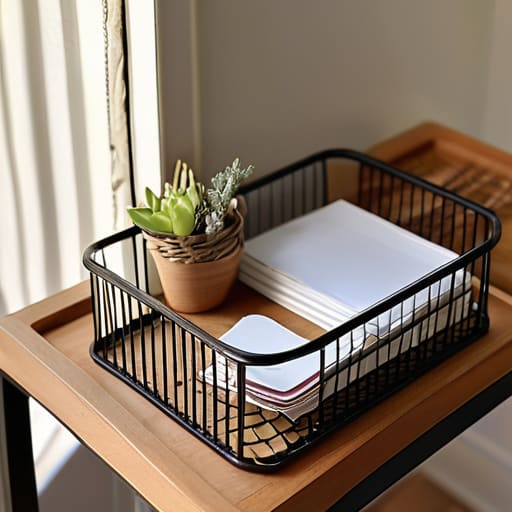
We’ve all been there: you walk through the front door, drop the mail on the entryway table, and suddenly that pile feels like it’s growing an inch every single day. It’s overwhelming, right? But here’s the secret I learned growing up in my dad’s hardware store: the best way to handle a mess is to tackle it the second it hits your hands. Instead of letting it migrate from the table to the kitchen counter, let’s commit to sorting mail efficiently right at the point of entry. Grab a small, stylish basket for your entryway—maybe a vintage wire one to match your decor—and make it your “first stop” station.
As you go through each envelope, be ruthless! I like to use a quick mental filter: Is this junk, is this actionable, or is this a permanent record? If it’s just a grocery flyer, toss it immediately. If it’s a bill that needs paying, pop it into a dedicated “To-Do” folder. By creating this tiny ritual, you aren’t just moving paper around; you are actually digitizing important documents on the fly by snapping a quick photo of receipts or notices before they even hit your filing system. This keeps the physical clutter at bay and gives you back that sense of calm you deserve.
A Paperwork Decluttering Checklist for Your Home
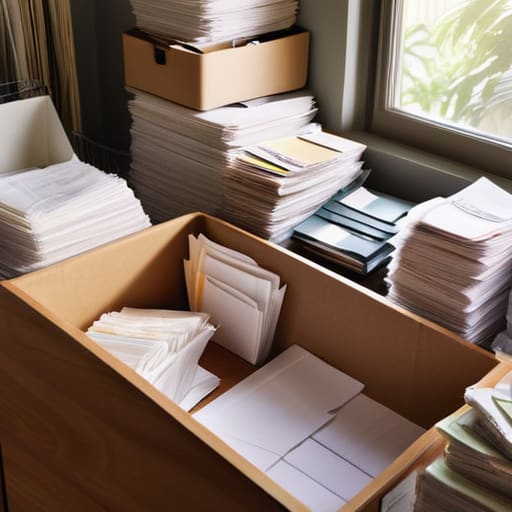
Before we dive into the actual sorting, I’ve learned from experience that you really need a game plan. There is nothing more discouraging than sitting on your floor surrounded by a mountain of envelopes without a clear direction! To keep from feeling overwhelmed, I’ve put together this paperwork decluttering checklist to guide you through the process. Start by gathering every single stray piece of paper in your house—don’t forget those random receipts tucked in your car or junk mail hiding in the kitchen drawer. Once everything is in one pile, create four distinct zones: Keep, Shred, Scan, and Recycle.
As you move through your piles, think about what actually needs physical space. I’m a huge fan of digitizing important documents like old manuals or non-essential receipts; it saves so much room in your drawers! For those things that absolutely must stay in physical form—think birth certificates or house deeds—make sure they have a dedicated home. Whether you’re using a sleek new filing system or a simple accordion folder, the goal is to ensure your essential document storage is easy to navigate so you aren’t hunting for things later.
My Top 5 Secret Weapons for Keeping Paperwork Under Control
- Grab some stylish hanging folders and label them clearly; there is nothing more satisfying than knowing exactly where that tax document is hiding!
- Set up a “Landing Strip” near your entryway—a small tray or cute basket where all incoming mail goes immediately so it doesn’t migrate to the kitchen table.
- Go digital whenever you can; if a receipt or a manual doesn’t need the original copy, snap a quick photo and toss the paper to save yourself a massive headache later.
- Schedule a “Paperwork Date” with yourself once a month—grab a cup of coffee, put on your favorite playlist, and tackle the stray scraps that snuck through the cracks.
- Invest in a heavy-duty shredder to make the “toss” part of decluttering feel safe and satisfying, especially for those old bank statements and sensitive docs.
Quick Wins for a Paperwork-Free Life
Don’t try to tackle the whole mountain at once; start by tackling one small pile or one single drawer to build that much-needed momentum!
Create a “landing zone” near your entryway so mail gets sorted the second it walks through the door, instead of becoming a permanent resident on your kitchen counter.
Remember that most of what we hold onto is just digital clutter in disguise—if you can scan it and shred it, let it go and reclaim your physical space!
Finding Calm in the Chaos
“I know that mountain of envelopes can feel totally overwhelming, but remember: we aren’t just filing papers, we’re clearing the mental clutter so you can actually breathe and enjoy the beautiful home you’ve worked so hard to create.”
Emily Carter
You’ve Got This: From Paper Chaos to Calm
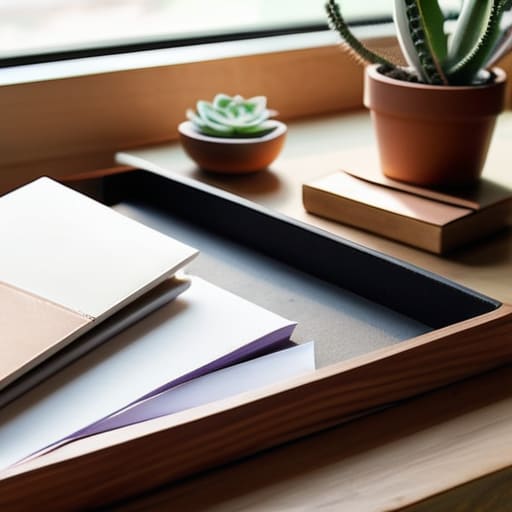
We have covered a lot of ground today, from mastering that daily mail mountain to checking off every single piece of clutter in your home office. I know it can feel like a massive undertaking when you first look at those stacks of envelopes and old receipts, but remember that we aren’t just moving piles around—we are building a functional system that serves your lifestyle. By sorting your mail immediately and following a consistent decluttering checklist, you are essentially laying the foundation for a much more peaceful, organized home. Once you have these habits in place, you’ll find that maintaining your space becomes second nature rather than a dreaded weekend chore.
At the end of the day, please don’t get discouraged if your filing system isn’t “Pinterest-perfect” right away. Real life is messy, and sometimes a little bit of paper slips through the cracks, and that is totally okay! The goal isn’t perfection; it’s about creating a space where you can actually breathe and focus on the things that truly matter to you. You have already taken the hardest step just by deciding to tackle this head-on. So, grab your favorite pen, pick a corner to start with, and remember: you are more than capable of transforming your home into the sanctuary you deserve. Let’s keep building!
Frequently Asked Questions
I have mountains of old tax returns and medical records—how do I know exactly what I can safely shred and what I absolutely need to keep?
Ugh, I have been there—staring at a mountain of files feeling totally overwhelmed! For tax returns, the golden rule is usually seven years, but if you have any carryover info, keep them a bit longer. For medical records, I tend to hold onto them for at least seven years too, just in case. When in doubt, keep it! But if it’s older than that and has no special significance? Grab your shredder and let’s clear that space!
My workspace is super small, so what are some space-saving ways to store all these files without them taking over my entire desk?
I totally get it—when you’re working with a tiny footprint, every inch of desk real estate feels like gold! Since we can’t expand the walls, let’s think vertically. I love using wall-mounted file holders or even a sleek pegboard to get those folders off your desktop and onto the wall. If you can’t go vertical, try a slim rolling cart tucked under your desk. It keeps everything within reach without the clutter!
I'm a total procrastinator when it comes to filing; do you have any tips for making this a quick daily habit instead of a massive weekend chore?
Oh, I feel you! I used to let my mail pile up until it looked like a paper landslide. My biggest tip? The “One-Touch Rule.” When you grab the mail, don’t just set it on the counter—deal with it immediately. Shred the junk, file the bills, and toss the rest. If it takes less than sixty seconds, do it right then! Trust me, five minutes a day is so much better than a stressful Sunday.
