
I remember sitting on the floor of my first tiny apartment, staring at a utility bill that felt more like a personal insult than a monthly expense. I was fresh out of SCAD, trying to make a designer’s life on a DIYer’s budget, and every time the heat kicked on, I felt a literal pit in my stomach. Most “experts” will tell you that the only way to see a difference is to drop thousands on high-tech, smart-home gadgets that require a PhD to install, but honestly? That is such a waste of your hard-earned money. I’ve learned through plenty of trial, error, and a few too many cold mornings that knowing how to save on utility bills isn’t about buying your way into efficiency; it’s about understanding how your home actually breathes.
I’m not here to sell you on expensive, shiny tech that promises the moon but delivers nothing. Instead, I want to share the practical, hands-on tweaks I’ve used in my own home to keep costs down without sacrificing an ounce of comfort. We’re going to look at real, no-nonsense strategies—from sealing those sneaky drafts to optimizing your space—so you can take control of your budget. Let’s roll up our sleeves and make your home work for you!
Table of Contents
Mastering Energy Efficient Home Improvements Together

Now, let’s get into the fun part—the actual projects! I’ve always believed that a little bit of sweat equity goes a long way, and when it comes to energy efficient home improvements, you don’t need a massive renovation budget to see a difference. One of my favorite “weekend warrior” projects is focusing on the envelope of your home. If you can feel a draft coming from under a door or around a window frame, you’re basically letting your hard-earned money fly right out of the house. I highly recommend looking into home insulation upgrades or even just adding some weatherstripping; it’s such a satisfying way to make your space feel cozier while keeping those costs down.
Another way we can tackle this together is by looking at the “brains” of your home. If you haven’t jumped on the smart home bandwagon yet, you are missing out! I’m a huge fan of the smart thermostat benefits, as they do the heavy lifting of adjusting your temperature while you’re busy living your life or sleeping. It’s all about working smarter, not harder, to keep your sanctuary comfortable and your budget intact.
Smart Thermostat Benefits for a Cozier Life
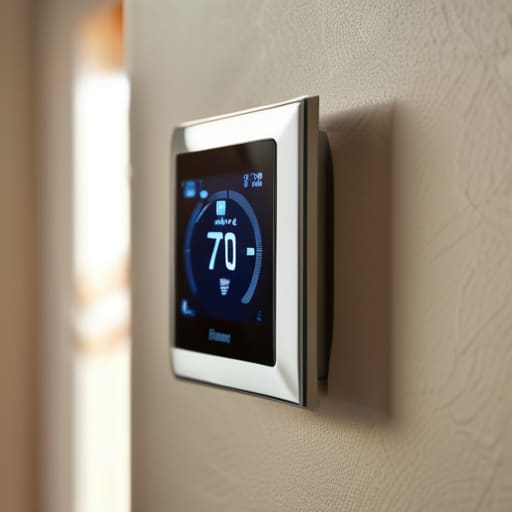
If there’s one thing I’ve learned from my years in interior design, it’s that true comfort isn’t just about how a room looks, but how it feels. One of my favorite ways to upgrade that feeling while also reducing monthly household expenses is by installing a smart thermostat. I remember the first time I swapped out my old, clunky dial for a smart model; it felt like I had finally gained control over my home’s atmosphere. Instead of heating or cooling an empty house while you’re out running errands or working, these little gadgets learn your schedule and adjust automatically.
The real magic lies in the precision. You can set specific schedules for when you’re sleeping or away, which is one of those small but mighty smart thermostat benefits that adds up quickly. It takes the guesswork out of managing your climate, ensuring you aren’t wasting energy on a house that nobody is using. It’s such a satisfying, low-effort way to make your space feel more intentional and cozy, all while keeping your budget in check!
Little Projects, Big Savings: 5 Ways to Tighten Up Your Home
- Let’s talk about those sneaky drafts! Grab some weatherstripping and some simple door sweeps from the hardware store—just like the ones my dad used to stock back home—and seal up those gaps around windows and doors. It’s a quick weekend win that keeps the expensive air inside where it belongs.
- Don’t forget about your lighting! If you haven’t made the switch to LED bulbs yet, now is the perfect time. They might cost a few extra cents upfront, but they last way longer and sip electricity compared to those old incandescent bulbs that just turn your living room into a little heater.
- It’s time to give your HVAC system some love. Changing your air filters every few months is one of those super simple tasks that makes a massive difference. A clean filter means your system doesn’t have to work overtime, which keeps your bills low and your air feeling fresh.
- Let’s get creative with your window treatments! In the summer, keeping those blinds closed during the heat of the day can stop the sun from turning your house into a greenhouse. In the winter, pulling them shut at night adds an extra layer of insulation to help trap that cozy warmth.
- Check your water heater settings! Most of them come set way higher than they actually need to be. By turning the temperature down just a few degrees, you can save a surprising amount of energy without even noticing a difference in your morning shower.
Quick Wins for Your Home and Your Wallet
Small, hands-on tweaks—like sealing up those sneaky drafts around windows—can make a massive difference in how much energy your home wastes.
Don’t be afraid to embrace new tech; investing in a smart thermostat is like hiring a little assistant to manage your comfort and your budget simultaneously.
Think of energy efficiency as a long-term DIY project; by making intentional, mindful upgrades now, you’re building a more sustainable and much more affordable space for the future.
[A little wisdom for your journey]
“Saving on utilities isn’t just about cutting back; it’s about being intentional with your space. When we take the time to understand how our homes breathe and use energy, we aren’t just lowering a bill—we’re building a more thoughtful, sustainable sanctuary for ourselves.”
Emily Carter
Making It Your Own
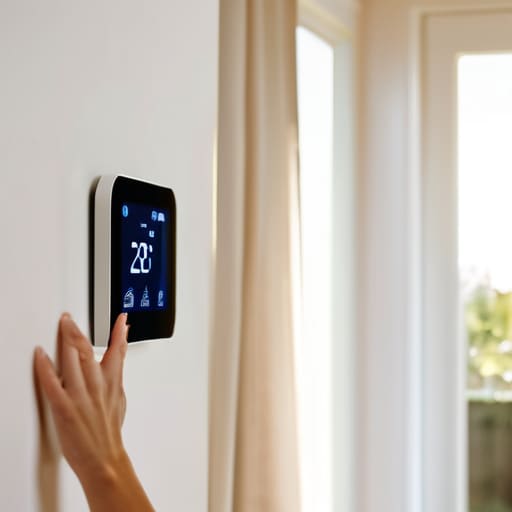
We’ve covered a lot of ground today, from the big wins of upgrading your thermostat to those small, clever tweaks that make a massive difference in your monthly budget. Remember, saving on utilities isn’t about making your home uncomfortable; it’s about being intentional with how you use your space. Whether you’re sealing up drafty windows or finally investing in those energy-efficient lightbulbs, every little project is a step toward a more efficient, cost-effective home. It might feel a bit overwhelming at first, but I promise that once you start seeing those lower numbers on your statements, all that hard work will feel completely worth it.
At the end of the day, your home is your sanctuary, and taking care of it is one of the most rewarding ways to care for yourself and your future. I know that picking up a toolkit or researching new appliances can feel intimidating, but I truly believe that you have the power to transform your living space one step at a time. Don’t feel like you have to do everything this weekend—just pick one project, roll up your sleeves, and dive in. I can’t wait to hear which of these tips worked best for you, so please leave a comment below and let me know how your progress is going. Let’s keep building something amazing together!
Frequently Asked Questions
I’ve heard about weatherstripping, but is it actually worth the DIY time compared to just calling a pro?
Oh, I am so glad you asked! Honestly? Weatherstripping is one of those “low effort, high reward” projects that I absolutely live for. It’s way more approachable than a full renovation, and you definitely don’t need a pro. For the cost of a few rolls of foam or rubber, you’ll stop those annoying drafts in their tracks. It’s a quick weekend win that keeps your cozy vibes in and the expensive heating out!
Are there any specific low-cost lighting upgrades that won't make my living room feel like a sterile office?
Oh, I hear you! There is nothing worse than that harsh, “hospital hallway” vibe in a cozy living room. To keep things warm, ditch those cool-toned bulbs and swap them for “warm white” LEDs—they mimic that soft, golden glow perfectly. I also love layering! Instead of one big overhead light, try adding a thrifted floor lamp or some dimmable fairy lights. It adds so much character without breaking your budget!
How can I tell if my old appliances are actually draining my budget, or if I should just wait a bit longer to replace them?
This is such a common dilemma! I used to agonize over this when I was first starting out. A good rule of thumb I use is to look at the “repair vs. replace” ratio. If a single repair costs more than half the price of a new, energy-efficient model, it’s usually time to let go. Also, keep an eye on your utility spikes—if your bill jumps every time that old fridge kicks on, it’s likely draining your hard-earned cash!
