
Growing up in my family’s hardware store, I learned early on that you don’t need a massive, expensive toolkit to build something sturdy; you just need the right fundamentals and the courage to start. I see the same thing happening in kitchens all the time. People get intimidated by those flashy, thirty-ingredient recipes on social media that look gorgeous but are a total nightmare to actually execute. Honestly, the idea that you need to be a professional chef to enjoy a home-cooked dinner is a complete myth. We’re stripping away the pretension and focusing on easy meals for beginners that actually work in a real, busy life.
I’m not here to give you complicated culinary theories or a list of ingredients you’ll only use once. Instead, I’m sharing the no-nonsense approach I’ve refined through years of trial, error, and plenty of burnt toast. I promise to guide you through simple, delicious recipes that build your confidence one bite at a time. We’re going to focus on practical techniques and smart shortcuts so you can spend less time stressing over the stove and more time savoring what you’ve created. Let’s get cooking!
Table of Contents
- Mastering Cooking Basics for Novices With Confidence
- Essential Kitchen Tools for Beginners to Start Creating
- My Secret Sauce: 5 Pro-Tips to Keep Your Kitchen Wins Consistent
- Quick Wins to Keep Your Kitchen Confidence High
- Finding Your Rhythm in the Kitchen
- You've Got This: Your Kitchen Journey Starts Now
- Frequently Asked Questions
Mastering Cooking Basics for Novices With Confidence
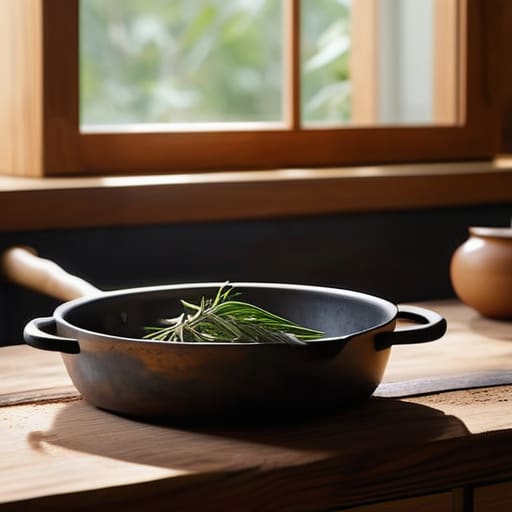
Before we dive into the actual recipes, I want to talk about something that used to intimidate me back when I was first starting out: the sheer amount of gear you think you need. Trust me, you don’t need a professional chef’s kitchen to make something delicious. In fact, focusing on a few essential kitchen tools for beginners—like a reliable chef’s knife and a heavy-bottomed skillet—will take you much further than a drawer full of gadgets you’ll never use. It’s all about building a foundation, much like sanding down an old dresser before you even think about applying the first coat of paint.
Once you feel steady with your tools, the real magic happens when you start mastering cooking basics for novices, such as learning how to properly season your food or how to control heat. I always tell my readers that confidence comes from repetition. Don’t be afraid to make a mess! Whether you are experimenting with minimal ingredient recipes or trying to perfect a simple sauté, every little “fail” in the kitchen is just another step toward becoming a pro. We’re going to take this one step at a time, I promise.
Essential Kitchen Tools for Beginners to Start Creating
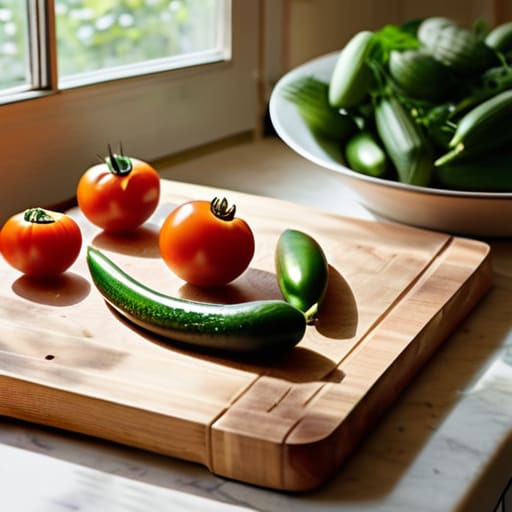
Now, before we dive into the actual recipes, let’s talk about your toolkit! Growing up in my family’s hardware store, I learned early on that having the right tool for the job makes all the difference between a project that’s a joy and one that’s a total headache. The same goes for your kitchen. You don’t need a kitchen full of expensive, high-tech gadgets to make something delicious. In fact, when I’m working on budget-friendly meal prep, I find that keeping things simple is actually much more efficient.
To get started, I recommend focusing on a few essential kitchen tools for beginners that will serve you for years. A high-quality chef’s knife is your absolute best friend—it’s like the trusty hammer in my tool collection! Pair that with a sturdy cutting board, a large non-stick skillet, and a heavy-bottomed pot. With just these basics, you can easily whip up one-pot meal ideas or tackle those much-needed quick weeknight dinners without feeling overwhelmed by clutter. Trust me, once you have these staples, you’ll feel so much more prepared to create!
My Secret Sauce: 5 Pro-Tips to Keep Your Kitchen Wins Consistent
- Don’t be afraid to embrace the “assembly” method! You don’t always have to cook every single component from scratch. Sometimes, a really high-quality rotisserie chicken paired with some pre-washed greens and a quick squeeze of lemon is the ultimate win for a busy weeknight.
- Master the art of the “flavor pantry.” Just like I keep a specific set of hammers for different wood types, you should keep a reliable set of seasonings on hand. Having good olive oil, flaky sea salt, garlic powder, and maybe a nice balsamic vinegar can turn a bland pasta into something that tastes like it came from a bistro.
- Prep your workspace before you even turn on the stove. In the design world, we call it “staging,” but in the kitchen, it’s just being smart! Chop your onions, measure your spices, and get everything laid out so you aren’t frantically searching for the cumin while your garlic is already starting to burn.
- Embrace the beauty of the “one-pan wonder.” If you’re just starting out, cleaning up can feel like a mountain you don’t want to climb. Stick to sheet pan dinners or big one-pot stews; it keeps the stress low and the flavor high, leaving you more time to actually enjoy what you’ve made.
- Learn to trust your senses, not just the timer. Recipes are great blueprints, but just like sanding a piece of vintage furniture, you have to feel when it’s right. Smell when the garlic turns fragrant, look for that perfect golden brown on your toast, and taste as you go—that’s how you truly learn!
Quick Wins to Keep Your Kitchen Confidence High
Start small and stay patient; just like tackling my first furniture restoration project, you don’t need to master everything at once to see beautiful results!
Focus on the basics first, because once you’re comfortable with your tools and fundamental techniques, you’ll have the creative freedom to experiment with any recipe.
Don’t be afraid to make a mess or a mistake—every little “oops” in the kitchen is just another way to learn and refine your craft!
Finding Your Rhythm in the Kitchen
“Just like restoring a beautiful vintage dresser, cooking isn’t about having a perfect finish right away; it’s about getting your hands dirty, learning the grain of your ingredients, and realizing that even the simplest meal is a masterpiece you built yourself.”
Emily Carter
You've Got This: Your Kitchen Journey Starts Now
We have covered a lot of ground today, from mastering those fundamental cooking techniques to gathering the essential tools you’ll need to build your culinary foundation. Remember, you don’t need a professional chef’s pantry or a massive set of expensive gadgets to make something incredible. It all starts with understanding the basics and having the right simple equipment by your side. By focusing on these core skills and building your confidence one recipe at a time, you are setting yourself up for a lifetime of delicious, home-cooked success. Don’t be afraid to make a mess in the kitchen—it’s all just part of the learning process!
At the end of the day, cooking is a lot like any other DIY project; it’s about patience, practice, and the joy of seeing something come together from scratch. There might be a few burnt edges or slightly under-seasoned dishes along the way, but please don’t let that discourage you. Every mistake is just another lesson that brings you closer to becoming a pro in your own home. I truly believe that once you taste the magic of a meal you created with your own two hands, you’ll be hooked. So, grab your apron, pick a recipe, and let’s start creating something beautiful together!
Frequently Asked Questions
I'm a little intimidated by prep work—what are some ways to make chopping and organizing ingredients feel less overwhelming?
Oh, I totally hear you! Prep work used to feel like a mountain to me, too. My secret weapon? Mise en place—it’s just a fancy French term for “everything in its place.” Before you even turn on the stove, chop everything and put it into little bowls. It turns the chaos into a fun, organized assembly line! Also, grab a sharp knife; it makes chopping feel much smoother and way less intimidating. You’ve got this!
Since I'm just starting out, should I focus on learning one specific type of cuisine, or is it better to jump around between different styles of cooking?
That is such a great question! Honestly, it’s a bit like picking up a new DIY project—you could spend months mastering one specific woodworking joint, or you could jump around and learn the basics of many different crafts. I’d say go for a little bit of both! Start with a few foundational techniques that work across most styles, then sprinkle in different flavors to keep things exciting. It keeps the “creative spark” alive!
What are your favorite "emergency" meals that I can whip up when I'm exhausted but still want something better than takeout?
Oh, I have been there! Some nights, the last thing I want to do is a full-scale project. My absolute go-to is a “pantry pasta”—just garlic, olive oil, red pepper flakes, and whatever pasta you have on hand. It’s fast, delicious, and feels so much more intentional than a greasy takeout bag. Another lifesaver? Breakfast for dinner! A quick omelet with some frozen veggies is my ultimate way to refuel without the stress.
