
I remember standing in my parents’ hardware store back in Ohio, surrounded by the scent of sawdust and cedar, watching my dad look at a pile of scrap wood. He didn’t see trash; he saw the foundation for a beautiful new shelf. It’s that same mindset that drives me when I’m staring at a fridge full of half-finished meals. Honestly, I am so tired of those “gourmet” lifestyle influencers acting like figuring out how to use leftovers requires a culinary degree and a pantry full of exotic spices. Most of the time, we aren’t looking for a five-star transformation; we’re just trying to turn last night’s roasted chicken into something that actually tastes fresh today.
I’m not here to give you complicated, time-consuming recipes that leave your kitchen looking like a disaster zone. Instead, I want to share my tried-and-true toolkit for reimagining your food with the same creativity we use when upcycling an old dresser. We’re going to focus on practical, no-nonsense methods to breathe new life into your ingredients so you can save money and reduce waste without sacrificing flavor. Let’s roll up our sleeves and turn those scraps into something truly delicious!
Table of Contents
Creative Kitchen Hacks for Your Next Masterpiece
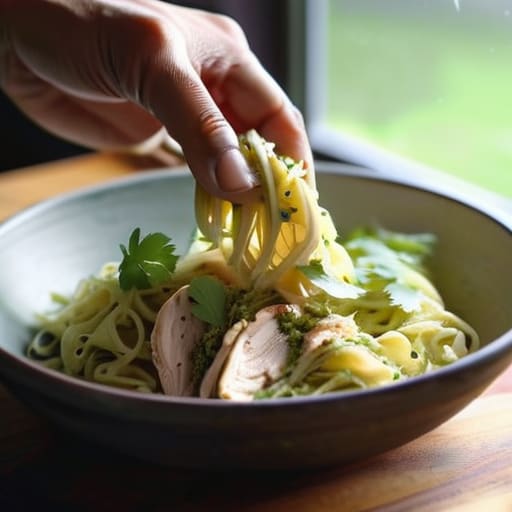
Now, let’s get into the fun part! I like to think of my kitchen as my personal workshop—instead of wood and nails, I’m working with flavors and textures. One of my favorite creative kitchen hacks is to stop looking at yesterday’s dinner as a “repeat” and start seeing it as a base ingredient. For instance, if you have some roasted chicken sitting in the fridge, don’t just reheat it. Try repurposing cooked proteins by shredding them into a vibrant, zesty lime taco filling or folding them into a creamy pesto pasta. It’s like giving a vintage chair a fresh coat of paint; you’re taking something existing and giving it a completely new life!
Another trick I swear by for efficient meal prep with leftovers is the “component method.” Instead of storing full plates, I keep individual components—like grains, roasted veggies, or sauces—in separate glass containers. This makes it so much easier to mix and match throughout the week without feeling like you’re eating the exact same meal twice. It’s all about having those versatile building blocks ready to go when life gets a little hectic!
Leftover Makeover Ideas to Delight Your Senses
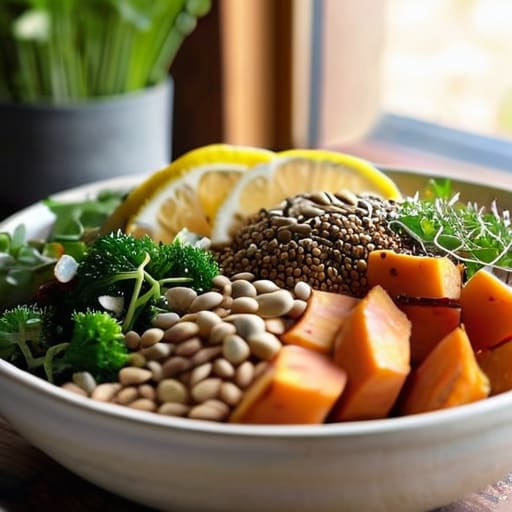
Now, let’s get into the fun part—the actual transformation! I like to think of my kitchen as my workshop, where a few random ingredients can be sanded down and refinished into something totally new. One of my favorite leftover makeover ideas involves taking those roasted vegetables or grains from last night’s dinner and turning them into a vibrant, nutrient-dense grain bowl. By adding a fresh squeeze of lemon, some crunchy seeds, and a drizzle of tahini, you aren’t just eating “old food”; you’re crafting a gourmet lunch that feels intentional and fresh.
If you have some extra chicken or steak sitting in the fridge, don’t let them dry out! I’m a huge fan of repurposing cooked proteins by shredding them into a zesty taco filling or folding them into a creamy pesto pasta. This approach is such a game-changer for meal prep with leftovers, saving you so much time during those hectic weekday mornings. It’s all about seeing the potential in what you already have. Grab your mixing bowls, and let’s turn these scraps into something truly delicious!
My Secret Toolkit for Turning Scraps into Gold
- Think like a designer and treat your leftovers as “raw materials.” Instead of seeing a half-empty container of roasted veggies, see the foundation for a vibrant grain bowl or a hearty frittata!
- Invest in some beautiful, clear glass storage containers. I know, it sounds simple, but seeing exactly what you have makes it so much easier to get inspired rather than digging through opaque plastic tubs in the back of the fridge.
- Don’t be afraid to mix and match flavors! Just like when I’m restoring a vintage dresser and adding a pop of modern hardware, a little bit of unexpected spice or a squeeze of lime can completely transform an old dish into something brand new.
- Keep a “make-it-work” station in your freezer. I love keeping small bags of herbs or even bits of leftover cooked grains ready to go; it’s like having a stash of craft supplies that makes every new project a breeze.
- Always remember that perfection isn’t the goal—flavor and fun are! Even if your “reimagined” meal looks a little rustic, as long as it tastes delicious and saves you a trip to the store, you’ve absolutely nailed it.
Quick Wins to Keep Your Kitchen Creative
Don’t view leftovers as “old food”—think of them as your raw materials for a brand-new design project!
Keep a few staple pantry items on hand so you can quickly bridge the gap between yesterday’s dinner and today’s new creation.
Trust your instincts and don’t be afraid to experiment; sometimes the most unexpected flavor combinations are the most beautiful.
Finding Beauty in the Scraps
“To me, leftovers aren’t just ‘extra food’—they’re the raw materials for your next culinary creation. Just like a vintage chair waiting for a fresh coat of paint, those ingredients just need a little bit of vision and a whole lot of heart to be transformed into something spectacular!”
Emily Carter
Bringing It All Home
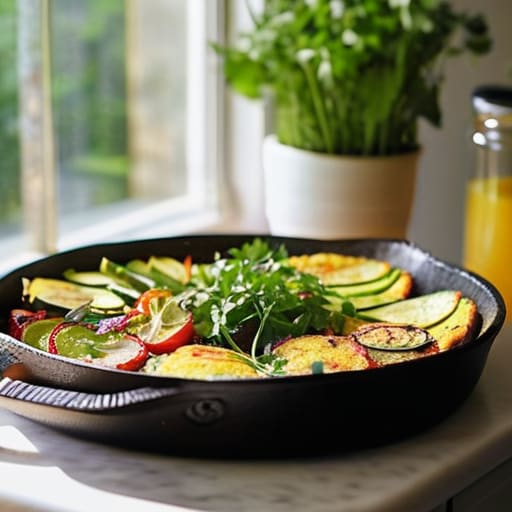
As we’ve seen, using up your leftovers isn’t just about being resourceful; it’s actually a chance to flex those creative muscles in the kitchen! Whether you’re turning last night’s roasted veggies into a vibrant, nutrient-packed frittata or reimagining a bit of leftover protein into a brand new, gourmet taco filling, the possibilities are truly endless. We’ve covered everything from clever kitchen hacks to full-blown flavor makeovers, and I hope these ideas have given you a bit of a spark. Remember, the goal isn’t perfection—it’s about finding joy in the process and making sure nothing good goes to waste. Just like when I’m restoring an old mid-century dresser, sometimes the most unexpected transformations happen when you aren’t afraid to experiment with what you already have on hand.
At the end of the day, I want you to feel empowered every time you open your fridge. Don’t look at those extra ingredients as a chore or a sign of a failed meal plan; instead, see them as your next blank canvas. There is something so deeply rewarding about taking something “old” and turning it into something fresh and exciting all by yourself. So, grab your favorite skillet, trust your instincts, and don’t be afraid to get a little messy. I truly believe that with a bit of patience and a lot of heart, you can turn even the simplest scraps into a culinary masterpiece. I can’t wait to hear what you create—let’s keep building (and cooking!) amazing things together!
Frequently Asked Questions
How do I know if my leftovers are still safe to use for a new recipe, or if they've been in the fridge a little too long?
Now, I know what you’re thinking—is this actually safe, or am I playing a dangerous game with my dinner? Honestly, I’ve been there! My golden rule? Trust your senses. If it smells even slightly “off” or looks a bit slimy, just toss it. Generally, most cooked leftovers are good for three to four days in the fridge. When in doubt, don’t risk it—we want to create delicious masterpieces, not tummy aches!
Are there any specific ways to freeze these reworked dishes so I can save them for an even busier week?
Oh, I love that you’re thinking ahead! Honestly, meal prepping is my secret weapon for surviving those hectic weeks. When you’re freezing your reworked creations, I highly recommend using airtight glass containers or heavy-duty freezer bags to prevent any freezer burn. If you’re freezing soups or stews, leave a little “headspace” at the top because they’ll expand as they freeze. Just label everything with a date—your future, busy self will definitely thank you!
I'm worried about mixing flavors—how do I combine different types of leftovers without the whole meal tasting a bit chaotic?
Oh, I totally get that! I used to worry about my “kitchen experiments” turning into a total flavor muddle, too. The trick is to find a common thread. Think of it like interior design—you wouldn’t mix polka dots with stripes without a neutral color to ground them! Use a “bridge” ingredient like a squeeze of lime, a splash of soy sauce, or even some fresh herbs to tie those different profiles together into one cohesive masterpiece.
