
I remember standing in my dad’s hardware store back in Ohio, surrounded by the scent of sawdust and linseed oil, learning that if you don’t have a solid foundation, your entire project is going to wobble. Honestly, I feel the exact same way about nutrition. Lately, it feels like every wellness influencer is trying to sell you some expensive, complicated “system” for eating, but let’s be real: you don’t need a $200 supplement kit to figure out how to build a balanced meal. It shouldn’t feel like a high-stakes construction project every time you walk into your kitchen; it should feel as natural and intuitive as sanding down a piece of vintage oak.
I’m not here to give you a lecture or a list of restrictive rules that leave you feeling hangry by noon. Instead, I want to share the practical, blueprint-style approach I use to fuel my busy DIY days. I’m going to show you how to layer your nutrients with the same precision and ease you’d use to refinish a mid-century dresser. We’re going to strip away the fluff and focus on the essential components so you can create delicious, nourishing plates that actually work for your life.
Table of Contents
- Finding Beauty in the Protein Vegetable Carbohydrate Ratio
- The Healthy Plate Method Designing Your Masterpiece
- My Top 5 Pro-Tips for Layering Your Perfect Plate
- Quick Tips for Your Kitchen Transformation
- Designing Your Nutritional Blueprint
- Bringing Your Kitchen Vision to Life
- Frequently Asked Questions
Finding Beauty in the Protein Vegetable Carbohydrate Ratio
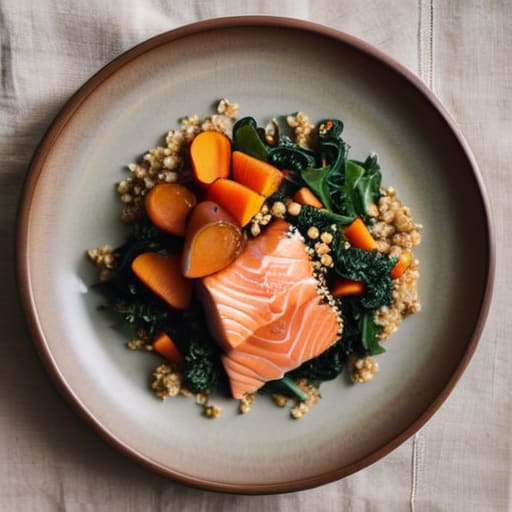
Think of your plate as a design project; just like when I’m sketching out a room layout, the proportions are everything. If you have too much of one element, the whole space feels off, and the same goes for your nutrition. I love looking at the protein vegetable carbohydrate ratio as my structural blueprint. It’s not about strict deprivation, but about finding that perfect aesthetic balance where every component serves a purpose. When you get the proportions right, you aren’t just eating; you’re constructing a foundation that keeps your energy steady all afternoon.
Instead of getting bogged down in complicated math, I like to use a simplified healthy plate method to guide my hand. I aim for a vibrant spread where colorful veggies take center stage, flanked by a solid protein and a thoughtful serving of complex carbs. It’s a lot like choosing the right textures for a cozy living room—you want variety to create depth! Once you master this ratio, you’ll find that meal prepping for nutrition becomes much more intuitive and, honestly, a lot more fun.
The Healthy Plate Method Designing Your Masterpiece
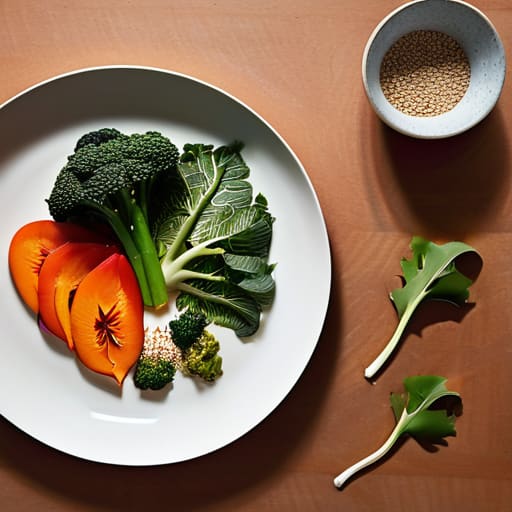
Think of your plate as the blueprint for your wellness journey. Just like when I’m sketching out a room layout, you wouldn’t just throw furniture in a space without a plan, right? That’s where the healthy plate method comes in. Instead of getting bogged down in complicated math or strict calorie counting, I like to treat my meals like a design project. You’re essentially creating a visual template that ensures you’re getting a diverse mix of fuel.
I always tell my readers to aim for a layout that prioritizes color and texture. A great way to start is by filling half your plate with vibrant, non-starchy veggies—think of them as the “accent pieces” that add life to the room. Then, dedicate a quarter to your protein and the final quarter to complex carbs. Mastering this kind of intuitive portion control for healthy eating takes a little practice, but once it clicks, you’ll stop feeling overwhelmed by recipes. It becomes second nature, allowing you to focus more on the joy of cooking and less on the stress of “getting it right.”
My Top 5 Pro-Tips for Layering Your Perfect Plate
- Think about color like you would a mood board—the more vibrant and varied your vegetables are, the more micronutrients and visual interest you’re adding to the meal!
- Don’t be afraid of healthy fats; just like a finishing glaze on a piece of furniture, a little bit of avocado or olive oil adds that essential “sheen” that keeps you feeling satisfied.
- Prep your components ahead of time, much like I would lay out my tools before a big renovation, so you aren’t scrambling to find a protein when you’re already hungry.
- Use grains and starches as your foundation, but treat them as the structural support rather than the whole build—keep them to about a quarter of your plate to maintain that perfect balance.
- Trust your intuition and season as you go; just like finding the right texture for a room, tasting your food as you build it ensures the flavors are as harmonious as the nutrition.
Quick Tips for Your Kitchen Transformation
Think of your plate like a well-designed room—it’s all about balance! When you layer your proteins, healthy fats, and colorful veggies, you’re creating a meal that’s as functional for your body as it is beautiful to look at.
Don’t get intimidated by perfection. Just like when I’m restoring an old vintage dresser, the goal isn’t to be flawless on day one; it’s about making steady, intentional choices that build your confidence over time.
Keep your “tools” simple. You don’t need a professional chef’s kit to master this; once you understand the basic ratio of ingredients, you can start improvising and crafting delicious, nourishing meals that truly fuel your life!
Designing Your Nutritional Blueprint
“Think of your plate just like a room you’re designing: you wouldn’t just fill it with one type of furniture and call it finished, right? Building a balanced meal is all about finding that perfect harmony between your proteins, carbs, and greens to create a space—and a body—that feels both beautiful and completely supported.”
Emily Carter
Bringing Your Kitchen Vision to Life

As we wrap up our little deep dive into meal design, I hope you feel a lot more confident about tackling your next plate. Remember, building a balanced meal isn’t about following a rigid, boring blueprint; it’s about understanding how your proteins, fats, and colorful veggies work together to create a functional masterpiece. Just like when I’m restoring an old mid-century dresser, it’s all about the prep work and getting those fundamental layers right. Once you master the ratio of carbohydrates to nutrients, you’ll stop seeing food as just fuel and start seeing it as a way to build a foundation for your health that actually lasts.
I know that stepping into the kitchen and trying to change your habits can feel a bit daunting at first—kind of like picking up a power saw for the very first time. But I promise you, the more you practice, the more intuitive it becomes. Don’t worry about being perfect every single night; just focus on making small, intentional choices that make you feel incredible. You have the tools, you have the talent, and now you have the plan. So, let’s grab our aprons and start creating something beautiful together, one delicious, balanced bite at a time!
Frequently Asked Questions
I’m a total beginner—what are some easy, go-to protein sources I can keep in my pantry for those busy weeknights?
Oh, I totally get it! When life gets hectic, you don’t want to be staring at an empty pantry wondering what to do. Think of these as your “building blocks”—the reliable staples that make any meal come together. I always keep canned chickpeas, lentils, and tuna on hand; they’re absolute lifesavers! Even some quick-cooking quinoa or nut butters can work wonders. Having these basics ready means you can whip up something nourishing in minutes!
Does the "plate method" change if I'm trying to fuel up for a big workout or if I'm feeling a bit more sedentary?
Think of your plate like a custom furniture build—you have to adjust your materials based on the final blueprint! If you’re prepping for a heavy lifting session, I’d lean heavier into those complex carbs to fuel your engine. But, if it’s a cozy, sedentary day on the couch, try tilting the ratio toward more vibrant veggies and proteins. It’s all about scaling your ingredients to match your body’s daily energy needs!
How do I handle cravings for something sweet without totally throwing my beautiful, balanced design off track?
Oh, I have been there! Think of a craving like a tiny unexpected smudge on a gorgeous blueprint—it doesn’t mean the whole project is ruined. Instead of fighting it, try “designing” a smarter sweet treat. Grab some Greek yogurt with a drizzle of honey and berries, or maybe a square of dark chocolate. It’s all about integrating that sweetness into your plan so it feels like a deliberate accent rather than a structural collapse!
