
Ever feel like you’re playing a high-stakes game of Russian roulette every time you turn on the stove? We’ve all been there: you follow a recipe to a T, only to end up with a piece of meat so dry and tasteless it feels like you’re chewing on a piece of reclaimed oak from one of my furniture projects. It is incredibly frustrating when you’re trying to eat well, but you can’t figure out how to cook chicken breast without it turning into a culinary disaster. I used to think I needed fancy sous-vide machines or expensive kitchen gadgets to get it right, but honestly, that’s just a lot of unnecessary hype that gets in the way of real cooking.
I’m here to strip away all that nonsense and get down to the brass tacks. I’m going to share my tried-and-true, no-frills methods for achieving juicy, flavorful chicken every single time, using nothing more than basic tools you likely already have in your kitchen drawer. Think of this as your foundational blueprint; once you master these simple techniques, you’ll have the confidence to tackle any recipe that comes your way. Let’s get to work and make something delicious!
Table of Contents
- Finding the Best Seasoning for Chicken Perfection
- Preventing Dry Chicken Breast Through Patient Preparation
- My Secret Weapons for Juicy, Flavorful Chicken Every Single Time
- My Golden Rules for Juicy, Flavorful Chicken
- Cooking is Just Like Home Renovation
- Bringing It All Together at the Table
- Frequently Asked Questions
Finding the Best Seasoning for Chicken Perfection
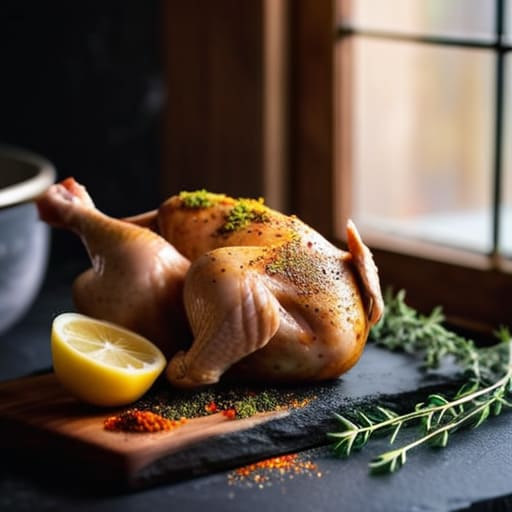
Now, let’s talk about the real magic: the flavor! Honestly, finding the best seasoning for chicken is a bit like picking the perfect paint swatch for a room—it’s all about the mood you want to set. If you’re craving something cozy and classic, you can’t go wrong with a heavy hand of smoked paprika, garlic powder, and dried thyme. But if you want to brighten things up, a little zest from lemon peel and some cracked black pepper can work wonders. My golden rule? Don’t be shy! A generous coating ensures that every single bite is packed with personality.
While we’re on the subject of flavor, remember that seasoning isn’t just about taste; it’s actually a secret weapon for preventing dry chicken breast. By rubbing your spices into the meat and letting it sit for even just ten minutes, you’re creating a delicious crust that helps lock in all those lovely juices. Whether you end up using a pan-seared chicken breast method for that crispy golden finish or opting for something more hands-off in the oven, a well-seasoned bird is the foundation of a meal you’ll actually want to brag about!
Preventing Dry Chicken Breast Through Patient Preparation
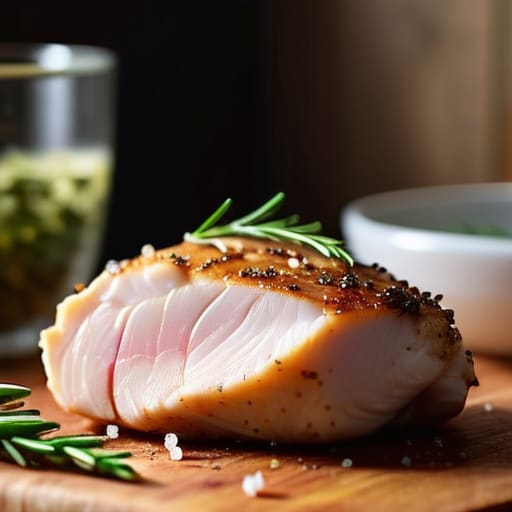
We’ve all been there: you pour your heart into a meal, only to take a bite of something that feels more like a piece of cardboard than a delicious dinner. It’s heartbreaking! But honestly, preventing dry chicken breast isn’t about luck; it’s all about patience and a little bit of science. One of my favorite tricks from my childhood in the hardware store—where we learned that you can’t rush a good finish—is to let your meat sit at room temperature for about fifteen minutes before it hits the heat. This helps ensure even cooking so the edges don’t turn into leather while the center is still struggling to catch up.
When you finally move to the stove, I highly recommend the pan-seared chicken breast method for that gorgeous, golden-brown crust we all crave. However, the real secret weapon in my kitchen is a digital meat thermometer. Instead of guessing based on time, you need to aim for a specific internal temperature for chicken—specifically 165°F (74°C). Pulling it off the heat just a minute or two early allows the juices to redistribute, leaving you with a result that is incredibly juicy and tender every single time.
My Secret Weapons for Juicy, Flavorful Chicken Every Single Time
- Grab a meat mallet and give those breasts a little love! Chicken breasts are notoriously uneven, so pounding them to a consistent thickness ensures the thin ends don’t dry out while you’re waiting for the thick middle to cook through.
- Don’t skip the resting phase! I know it’s tempting to dive right in once that timer goes off, but letting your chicken sit for about five to ten minutes allows all those delicious juices to redistribute back into the meat instead of spilling out all over your cutting board.
- Invest in a digital meat thermometer—it’s a total game changer. Just like when I’m checking the finish on a piece of furniture, you want precision; pulling your chicken off the heat exactly at 165°F is the only way to guarantee it’s safe without turning it into a piece of cardboard.
- Get cozy with a heavy-bottomed skillet. Using a pan with some weight to it helps distribute heat more evenly across the surface, which gives you that gorgeous, golden-brown crust we all crave without leaving cold spots in the middle.
- Searing is your best friend for building deep flavor. Don’t be afraid to let that chicken sit in the pan for a minute or two without moving it; that little bit of caramelization (what chefs call the Maillard reaction!) adds a layer of savory goodness that seasoning alone just can’t touch.
My Golden Rules for Juicy, Flavorful Chicken
Don’t rush the seasoning! Whether you’re going for a classic herb rub or something a bit more adventurous, giving those spices a little time to soak in makes all the difference in every single bite.
Patience is your best friend in the kitchen. Just like when I’m stripping old paint off a vintage dresser, you can’t skip the prep work; letting your chicken rest and preparing it carefully is the secret to avoiding that dreaded dryness.
Trust your instincts and your senses. Cooking shouldn’t feel like a rigid blueprint—listen to how the pan sounds and watch for those perfect golden hues to ensure you’re creating something you’re truly proud to serve!
Cooking is Just Like Home Renovation
“Think of cooking a chicken breast a lot like refinishing a piece of vintage furniture; you can’t rush the prep work, and if you treat the ingredients with a little patience and respect, the final result will be something you’re truly proud to serve!”
Emily Carter
Bringing It All Together at the Table
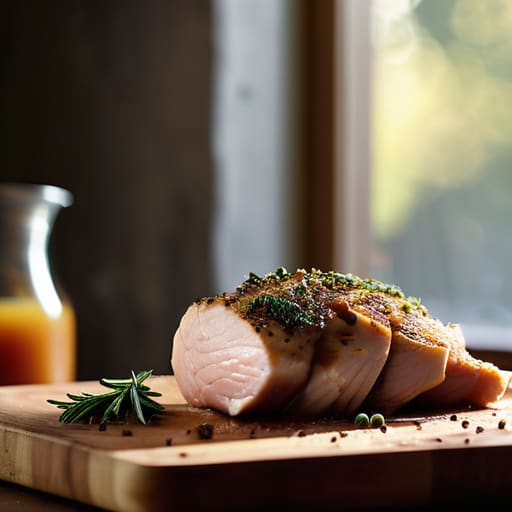
At the end of the day, mastering the perfect chicken breast really comes down to those small, intentional details we talked about. Whether you’re being adventurous with a custom spice rub or taking that extra moment to let your meat rest so the juices stay right where they belong, you are building a foundation of culinary confidence. Remember, it’s not just about following a recipe; it’s about understanding how seasoning and temperature work together to transform a simple protein into the star of your meal. Once you nail these basics, you’ll find that cooking becomes less about following instructions and more about trusting your instincts.
I know that stepping into the kitchen can sometimes feel a little intimidating, especially if you’ve struggled with dry or bland meals in the past. But just like when I’m restoring a piece of vintage furniture, the magic happens in the process and the patience you pour into your work. Don’t be afraid to make mistakes or try a new flavor profile that sounds a bit wild—that’s how you truly learn! I truly believe that with a little practice, you’ll be whipping up these delicious, juicy chicken breasts with your eyes closed. Now, grab your apron, get in there, and let’s create something absolutely delicious together!
Frequently Asked Questions
What's the best way to tell if my chicken is actually done without overcooking it?
Trust me, I’ve been there—standing over a hot pan, hovering nervously and wondering if I’m about to serve a piece of leather. The absolute gold standard is using an instant-read meat thermometer. Aim for 165°F (74°C) in the thickest part, but here’s my pro tip: pull it off the heat at 160°F! Carryover cooking will do the rest while it rests, keeping it incredibly juicy and perfectly tender every single time.
Can I use a meat thermometer, or should I be looking for other signs like juice color?
Oh, I totally get the hesitation! When I was first learning to cook in my family’s hardware store kitchen, I relied way too much on “vibes” and ended up with some pretty tough chicken. Honestly? Grab that meat thermometer! It is a total game-changer and the most reliable way to hit that perfect 165°F without any guesswork. While clear juices are a good hint, the thermometer takes the stress out of the equation so you can relax and enjoy!
Is it better to cook my chicken breasts in a pan or pop them in the oven for more even results?
That is such a great question! It’s a bit like choosing between a hand plane and a power sander—both work, but they give you totally different vibes. If you want that gorgeous, golden-brown crust, go with the pan. But if you’re looking for that perfectly even, juicy finish without having to hover over the stove, the oven is your best friend. For beginners, I usually recommend the oven for more consistent, foolproof results!
