
I still remember standing in my parents’ hardware store back in Ohio, surrounded by the scent of sawdust and motor oil, feeling like I could fix anything if I just had the right tool. But for some reason, when it came to the kitchen, I used to feel completely paralyzed without a printed set of instructions staring back at me. I thought you needed a culinary degree or a perfectly organized pantry to be successful, but I was so wrong. Learning how to cook without a recipe isn’t about being a master chef; it’s actually a lot like DIY home renovation—it’s about understanding your materials, trusting your gut, and knowing when to make a creative adjustment on the fly.
I’m not here to give you some fancy, gatekept culinary secrets or tell you that you need a professional-grade kitchen to succeed. Instead, I want to share the practical, hands-on framework I use to turn whatever is left in my fridge into something truly delicious. I promise to give you the honest, no-nonsense tools you need to build your confidence in the kitchen, one delicious mistake at a time. Let’s stop following the rules and start actually creating something amazing together!
Table of Contents
Mastering the Art of Building a Flavor Base
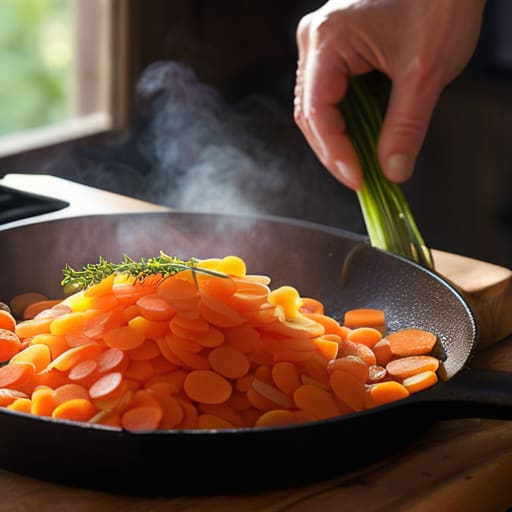
Think of a recipe like a blueprint for a room—it gives you the layout, but you’re the one who chooses the textures and colors that make it feel like home. When you’re working without a script, the secret to success is building a flavor base. Just like I’d start a furniture restoration by prepping the wood surface, you need to start your meal by layering aromatics. I always reach for my “holy trinity” of onions, garlic, and maybe some celery or carrots. Sautéing these in a bit of butter or oil creates that essential foundation that carries the rest of your ingredients.
Once your aromatics are soft and fragrant, it’s time to lean into your kitchen improvisation skills. This is where you decide if your dish is heading toward something bright and citrusy or deep and earthy. I love experimenting with different spices from my pantry to see how they interact with the base. Instead of measuring everything to the milligram, focus on seasoning by taste as you go. It might feel a little scary at first, but I promise, once you trust your palate, you’ll realize you have everything you need right in your cabinets!
The Magic of Pantry Staple Cooking
Now, let’s talk about my absolute favorite way to save the day: pantry staple cooking. Growing up in my family’s hardware store, I learned that you don’t always need a brand-new, specialized tool to fix a problem—sometimes, you just need to know what you already have in the toolbox. Cooking is exactly the same! Instead of staring blankly at the fridge because you’re missing one specific herb, look at what’s tucked away in your cupboards. Whether it’s a lonely can of chickpeas, a half-empty jar of sundried tomatoes, or that dusty tin of smoked paprika, these ingredients are the building blocks for something incredible.
The real secret to leveling up your kitchen improvisation skills is learning to see ingredients as possibilities rather than strict requirements. When you stop viewing a pantry as a collection of random cans and start seeing it as a palette of flavors, everything changes. It’s all about understanding cooking ratios—knowing that a splash of vinegar can brighten a heavy stew, or that a bit of starch can transform a thin broth into a silky sauce. Once you master this, you’ll realize you’re never actually “out” of ingredients; you’re just one creative spark away from a masterpiece!
My Secret Toolkit for Cooking by Feel
- Trust your senses above all else. Just like I do when I’m sanding down an old dresser, you have to stop and actually look at what you’re doing. Smell the aromatics as they hit the pan, taste your sauce every few minutes, and listen for that perfect sizzle. Your nose and tongue are much better guides than any printed page could ever be!
- Think in terms of “flavor families” rather than strict measurements. Instead of memorizing a specific amount of cumin, learn how it plays with lime and cilantro. Once you understand how certain flavors lean on each other, you can swap things out on the fly without ever feeling lost.
- Keep a “toolbox” of acidity and heat handy. If a dish feels a little flat or “heavy”—kind of like a room that needs a pop of color to feel alive—it usually needs acid. A squeeze of lemon or a splash of vinegar can brighten everything up instantly.
- Don’t be afraid of the “trial and error” phase. In my workshop, my first attempt at a furniture restoration might not be perfect, and cooking is exactly the same. If you over-salt something, don’t panic! Just add a potato or a bit of cream to balance it out. It’s all part of the learning process.
- Master the art of the “improvised protein.” If you’re staring at a random can of chickpeas or a leftover chicken breast, don’t see it as a limitation; see it as a creative challenge. Treat your ingredients like scrap wood in a DIY project—with a little imagination, you can turn them into something completely new and beautiful.
My Golden Rules for Cooking by Feel
Trust your senses over the script—smell your spices as they hit the pan and taste your sauce constantly to see how it’s evolving.
Think in terms of balance rather than measurements; if a dish feels “flat,” it usually just needs a little acid from a lemon or a splash of vinegar to wake it up.
Don’t fear the mistakes, because even a “failed” experiment is just a lesson that helps you build your confidence in the kitchen!
Trust Your Kitchen Instincts
“Think of cooking without a recipe just like tackling a new DIY project: you start with a solid foundation, trust your tools, and then let your own creativity take over to make something truly unique!”
Emily Carter
Trust Your Instincts and Start Creating
At the end of the day, cooking without a recipe is a lot like tackling a home renovation project; you start with a solid foundation and then let your creativity take over. We’ve talked about how building a strong flavor base—those essential aromatics like garlic and onions—can turn even the simplest ingredients into something gourmet. We also explored how your pantry is essentially your personal toolkit, filled with spices and staples that can bridge the gap between a good meal and a great one. Once you understand these core principles, you’ll realize that you don’t need a strict set of instructions to make something delicious. It’s all about learning the “why” behind the flavors rather than just following a list of steps.
I know it can feel a little intimidating to step away from the cookbook at first, but I promise you, the sense of accomplishment is so worth it. Just like when I’m restoring a piece of vintage furniture, there might be a few messy moments or unexpected turns, but that’s where the real magic happens! Don’t be afraid to make mistakes or end up with a dish that’s a little different than you imagined. Every time you experiment, you are building your confidence and honing your unique culinary style. So, grab whatever you have in the fridge, trust your senses, and let’s see what kind of magic you can whip up!
Frequently Asked Questions
What should I do if I accidentally add too much of a strong spice or ingredient while I'm experimenting?
Oh, don’t panic! We’ve all been there—I once accidentally dumped way too much smoked paprika into a stew and thought the whole thing was ruined. The trick is to balance it out. If it’s too spicy, try adding a splash of cream or some avocado to mellow things out. If a flavor is just too intense, add more of your base ingredients—like more broth or veggies—to dilute the strength. Think of it like sanding down a piece of wood; sometimes you just need to smooth things out!
How can I tell if a dish is actually "done" or balanced if I'm not following specific timing or measurements?
This is where the real magic happens—trusting your senses! Instead of looking at a clock, use your nose and your taste buds. Does the aroma smell rich and developed, or still a bit raw? Give it a taste. Is it missing a little brightness? Maybe add a squeeze of lemon. Is it too sharp? A dash of honey might fix it. It’s all about that intuitive “click” when the flavors finally sing together!
Are there certain types of proteins or vegetables that are easier to start with when you're first learning to cook intuitively?
When you’re just starting to trust your instincts, I always recommend picking “forgiving” ingredients. For proteins, think chicken thighs or salmon; they stay juicy even if you overcook them a little. For veggies, root vegetables like carrots or hearty greens like kale are wonderful because they hold their structure beautifully. They’re much more patient with you while you’re learning to time things perfectly—kind of like a sturdy piece of oak when you’re first learning to sand!
