
I still remember the first time I felt that tiny, unmistakable skittering sound behind the baseboards of my first studio apartment. It was a freezing February night in Ohio, and instead of feeling cozy in my newly renovated space, I felt like an intruder in my own home. I spent hours scouring the internet for solutions, only to be met with expensive, chemical-laden promises that felt more like a scam than actual help. Honestly, there is so much misinformation out there about how to prevent pests at home that it’s enough to make you want to give up on your sanctuary entirely. Most of those “miracle” sprays are just expensive water that doesn’t address the root of the problem.
But here’s the good news: you don’t need a massive budget or a degree in entomology to reclaim your space. I’m going to skip the hype and give you the straight talk on how to protect your home using practical, hands-on methods that actually work. We’re going to focus on smart, preventative maintenance and simple DIY tweaks that turn your house back into a fortress. Let’s roll up our sleeves and get to work!
Table of Contents
Mastering Entry Point Identification to Protect Your Space

Before we grab the caulk gun, we need to play a little detective. Think of your home like a beautiful piece of furniture; even the smallest gap in a joint can compromise the whole structure. For us, that means performing a thorough entry point identification sweep. I always grab my favorite flashlight—the heavy-duty one I used back in my dad’s hardware store days—and get down on my hands and knees. I’m looking for those tiny, almost invisible gaps around window frames, door sweeps, and even where utility pipes enter the walls. It’s easy to overlook a hairline fracture in the foundation, but to a tiny intruder, that’s a grand entrance.
Once you’ve spotted those sneaky openings, it’s time to get to work. Sealing cracks and crevices is one of the most satisfying ways to reclaim your sanctuary. I love using high-quality silicone caulk for those tricky spots around baseboards; it’s incredibly effective and feels like you’re literally fortifying your home. Remember, it isn’t just about the big holes; it’s about the details that keep your space feeling safe and serene.
Sealing Cracks and Crevices With Love and Care
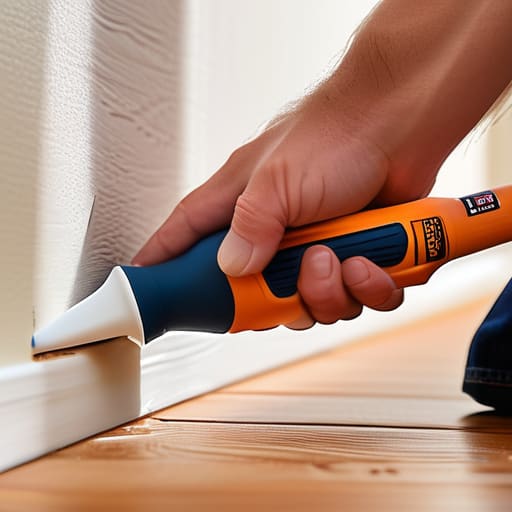
Once you’ve finished your thorough inspection, it’s time to grab your caulk gun and get to work! I know, I know—caulking isn’t exactly the most glamorous part of a home project, but think of it as giving your house a protective hug. When it comes to sealing cracks and crevices, precision is everything. I always recommend using a high-quality silicone caulk for areas around windows and baseboards; it stays flexible, which is a lifesaver when your home settles with the seasons. Take your time to ensure a smooth, clean bead—it makes a world of difference in both aesthetics and effectiveness!
While you’re working through those gaps, keep a close eye on any spots where pipes enter your walls under the sink. These tiny openings are like VIP entrances for unwanted guests. By filling these gaps with expanding foam or specialized sealant, you aren’t just fixing a cosmetic issue; you’re practicing proactive home sanitation for bug prevention. It feels so incredibly satisfying to know you’ve effectively fortified your sanctuary, one small crack at a time. Let’s keep that momentum going!
Five Simple Ways to Keep Your Home a No-Fly (and No-Crawl) Zone
- Let’s talk about the kitchen—the heart of the home, but also a magnet for uninvited guests! Keep those counters sparkling and make sure every crumb is swept up after dinner. Even a tiny spill of honey or a stray cracker under the toaster can feel like a five-star buffet to a tiny intruder.
- Don’t let your trash cans become a party destination! I always recommend using bins with tight-fitting lids and making sure to give them a good scrub every once in a while. It sounds a little tedious, I know, but keeping that area clean is a total game-changer for keeping smells—and pests—at bay.
- It’s time to get strategic with your pantry organization. I love using airtight glass or plastic containers for things like flour, sugar, and cereal. Not only does it make your shelves look absolutely gorgeous and organized, but it also creates a foolproof barrier that pests just can’t get through.
- Let’s not forget about moisture! Pests absolutely love a damp environment, so keep an eye on those leaky faucets or pipes under the sink. Fixing a tiny drip might seem like a small project, but it’s actually a massive step in making your home much less inviting to unwanted visitors.
- Finally, take a little time to declutter your storage areas. We all have that one corner of the garage or basement filled with cardboard boxes, right? Since many pests love to nest in cardboard, switching to plastic bins for your seasonal decor can make a huge difference in keeping your space peaceful and pest-free.
Quick Wins for a Pest-Free Sanctuary
Think like a detective when you’re walking through your rooms; spotting those tiny gaps around baseboards or window frames early is half the battle in keeping uninvited guests out.
Don’t just patch things up—take the time to seal those cracks with quality materials that actually last, turning your home’s defense into a long-term project you can be proud of.
Remember that a little bit of preventative maintenance goes a long way, so treat your home’s upkeep as a way of caring for the space you love!
Protecting Your Hard Work
“Think of pest prevention just like restoring a vintage piece of furniture—it’s all about the prep work. If you take the time to seal up those tiny gaps and treat your home with intention, you aren’t just keeping bugs out; you’re protecting the sanctuary you’ve worked so hard to build.”
Emily Carter
Reclaiming Your Peace of Mind
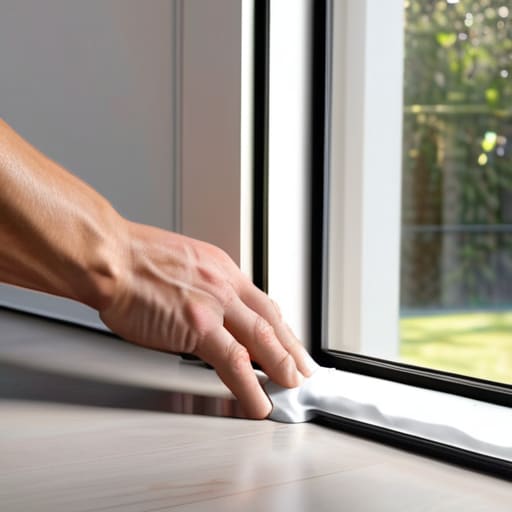
Taking control of your home doesn’t have to feel like an overwhelming chore; it’s really just about being proactive and paying attention to the little details. We’ve walked through the essentials today, from the heavy lifting of identifying those sneaky entry points to the more delicate work of sealing up cracks with the right materials. By staying on top of your home’s “envelope” and keeping things tidy, you aren’t just stopping bugs or rodents—you are actively maintaining the integrity of your beautiful space. Remember, a little bit of preventative maintenance goes a long way in ensuring your sanctuary remains exactly that: a place of comfort and calm.
I know that sometimes these projects can feel a bit daunting, especially when you’re staring down a long list of repairs, but I promise you can do this. Whether you’re grabbing a tube of caulk or finally tackling those window screens, every small step you take is an investment in your home and your own peace of mind. There is something so incredibly rewarding about knowing you’ve built a stronger defense for your living space with your own two hands. So, grab your tools, take it one step at a time, and let’s keep making our homes the wonderful, safe havens we deserve. You’ve got this!
Frequently Asked Questions
I've sealed up the cracks, but what kind of natural, non-toxic deterrents can I use that won't harm my pets or kids?
Since we’ve already done the heavy lifting by sealing those entry points, let’s look at some gentle, earth-friendly ways to keep unwanted guests away! I’m a huge fan of using peppermint essential oil diluted in water—it smells divine to us but is a total no-go for pests. You can also sprinkle some cinnamon or diatomaceous earth in tricky corners. It’s all about creating a space that feels safe for your little ones and furry friends, too!
When it comes to food storage, are there specific DIY organizational hacks that actually keep ants and pantry moths away for good?
Oh, I hear you! There is nothing more frustrating than opening your pantry and finding uninvited guests. Since I grew up in a hardware store, I’m a huge believer in the “seal it or lose it” rule. Grab some glass mason jars—they’re a DIYer’s best friend! Transferring grains and flour into airtight glass containers is a total game-changer. It keeps smells contained (so ants don’t follow their noses) and keeps those pesky moths locked out for good!
How often should I be inspecting my home's exterior, especially after a big storm or a change in the seasons?
I’d say a good rule of thumb is to do a thorough walkthrough at least four times a year—once with every season change. But honestly? If a big storm rolls through, grab your favorite flashlight and head outside right away! High winds and heavy rain can shift siding or loosen seals in ways we don’t expect. Think of it like a quick “health check” for your home to catch little issues before they become big headaches.
