
Honestly, if I see one more person suggesting you spend forty dollars on a “specialized” chemical spray just to get your fridge looking decent, I might actually lose it! Growing up in my family’s hardware store, I learned early on that most of those fancy, expensive solutions are just marketing in a bottle. You don’t need a lab-grade concoction to figure out how to clean stainless steel; in fact, some of those harsh cleaners can actually leave permanent streaks that drive you absolutely crazy. I’ve spent way too many hours scrubbing away at smudges only to realize I was making things worse with the wrong tools.
I’m here to cut through all that expensive noise and get straight to the good stuff. I promise to share the tried-and-true methods I’ve picked up from years of interior design and hands-on tinkering, using simple things you likely already have tucked away in your pantry. We’re going to tackle those pesky fingerprints and water spots together, focusing on practical, effective steps that actually work. Let’s get your kitchen surfaces looking absolutely stunning without breaking the bank!
Table of Contents
Gathering Your Best Natural Cleaners for Stainless Steel
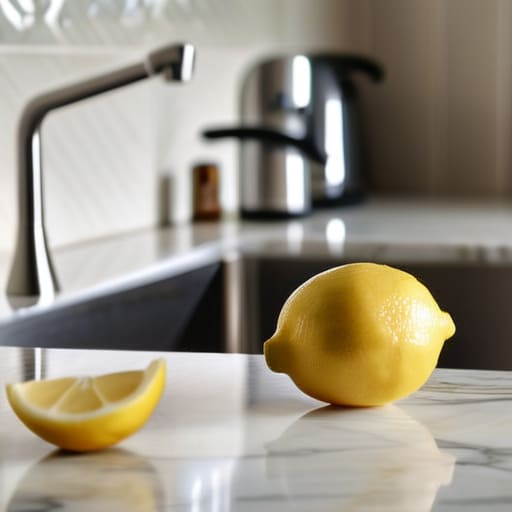
Before we dive into the actual scrubbing, let’s head to the pantry! One of my favorite things about moving away from harsh, store-bought chemicals is realizing that the best natural cleaners for stainless steel are likely already sitting in your kitchen cabinets. You don’t need a cabinet full of expensive, specialized sprays to get professional results. In fact, keeping it simple is often the best way to ensure we are avoiding scratches on metal surfaces while still getting a deep clean.
To get started, grab a bottle of white distilled vinegar and a bottle of high-quality olive oil or mineral oil. These two are going to be your absolute best friends throughout this process. You’ll also want to make sure you have a clean, soft microfiber cloth for polishing—trust me, a paper towel just won’t cut it if you want that streak-free finish! I always like to keep a small spray bottle handy for the vinegar, as it makes the application so much easier. Having your stainless steel cleaning supplies organized on the counter beforehand makes the whole project feel way less overwhelming and much more fun!
Avoiding Scratches on Metal Surfaces With Care
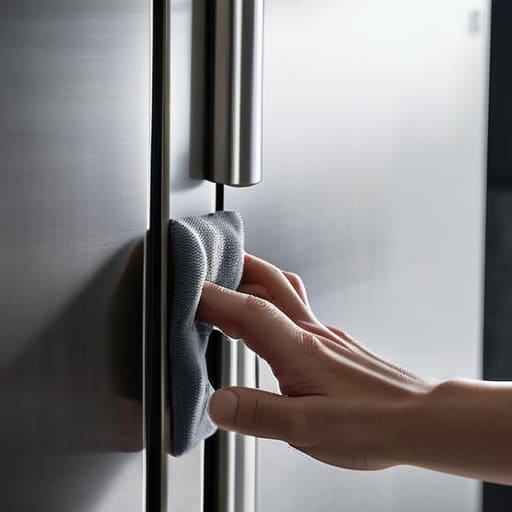
Now, let’s talk about something that always makes my heart sink a little: seeing a fresh scratch on a beautiful appliance. Since I grew up around my family’s hardware store, I learned early on that the tool is only as good as the hand holding it, and when it comes to avoiding scratches on metal surfaces, your choice of cloth is everything. Please, for the love of all things shiny, put away those old, crusty sponges or those heavy-duty scouring pads you keep under the sink. Even if they look “soft,” they can act like sandpaper on a delicate finish.
Instead, I always reach for a high-quality microfiber cloth for polishing. These are absolute lifesavers because they lift debris rather than dragging it across the surface. When you’re working, remember to always wipe in the direction of the metal’s grain—you know, those tiny, subtle lines you see when the light hits it just right? Wiping against the grain is a one-way ticket to tiny micro-scratches that are a real headache to fix. Take your time, be gentle, and treat your steel like the beautiful piece of design it is!
My Top 5 Secret Weapons for a Streak-Free Finish
- Always follow the grain! Just like wood, stainless steel has a subtle direction to its texture. If you scrub against it, you’re more likely to leave tiny scratches or trap dirt in those microscopic lines, so always wipe in the same direction the metal is “running.”
- Use a microfiber cloth whenever possible. I know, I know, it sounds like something a professional cleaner would say, but honestly, those old cotton rags can be surprisingly abrasive. A soft microfiber cloth is a total game-changer for preventing those annoying swirl marks.
- Don’t fear the vinegar, but use it wisely. A quick spray of white vinegar is amazing for cutting through stubborn grease and fingerprints, but remember to rinse it off with a damp cloth afterward so the acidity doesn’t sit on the surface for too long.
- A tiny drop of olive oil is your new best friend. Once your surface is clean and dry, take a tiny bit of oil on a soft cloth and buff it in. It sounds counterintuitive, but it creates a gorgeous, protective barrier that helps repel future fingerprints!
- Patience is your best tool. It’s so tempting to scrub hard when you see a stubborn smudge, but please don’t! Most of the time, a little extra “dwell time”—letting your natural cleaner sit for a minute or two—does way more work than brute force ever will.
Quick Tips for a Stress-Free Shine
Always remember to wipe in the direction of the metal’s grain—it’s the secret trick to making sure those streaks disappear for good!
Stick to gentle, natural cleaners like vinegar or mild soap to keep your appliances looking beautiful without any harsh chemical buildup.
Don’t rush the process; a little patience and a soft microfiber cloth go much further than scrubbing hard with something abrasive.
A Little Love for Your Metal Surfaces
“Don’t let a few smudges or fingerprints discourage you—think of cleaning your stainless steel not as a chore, but as a way to give your kitchen a little moment of self-care so it can shine as brightly as your creativity!”
Emily Carter
Bringing the Shine Back Home

So, there you have it! We’ve walked through everything from picking out the right natural cleaners—like that trusty white vinegar and olive oil combo—to being super mindful about avoiding those pesky scratches that can happen if you aren’t careful with your tools. Remember, the secret to keeping your appliances looking brand new isn’t about using harsh, expensive chemicals that smell like a lab; it’s all about using the right gentle touch and following the grain of the metal. If you take it slow and use a soft microfiber cloth, you’ll find that maintaining a streak-free finish is actually much easier than it looks!
I know that looking at a smudge-filled fridge or a dull stovetop can feel a little overwhelming when you’re busy, but please don’t let it get you down. These little tasks are just small ways to show love to the home you’ve worked so hard to build. Whether you’re a seasoned pro or you’re just picking up a cleaning cloth for the first time, every small win counts in the journey of making your space feel truly yours. You’ve totally got this, and I can’t wait to hear how your kitchen transformation turned out. Now, let’s get out there and make those surfaces sparkle!
Frequently Asked Questions
Is it okay to use vinegar if my stainless steel has a special protective coating on it?
That is such a smart question! Honestly, I’m so glad you asked before diving in. If your appliances have that special protective coating, I’d definitely recommend skipping the vinegar for now. Since vinegar is an acid, it can actually strip that coating right off, leaving your steel looking patchy or dull. For those fancy surfaces, it’s much safer to stick to warm, soapy water or a dedicated cleaner specifically labeled for coated metals. Let’s play it safe!
How do I get rid of those stubborn, cloudy water spots that just won't budge?
Oh, I know that struggle all too well! Those cloudy spots can be so frustrating when you’ve just finished cleaning. Usually, those are mineral deposits from your water. My favorite trick is to use a soft microfiber cloth dipped in a little white vinegar. Buff it in circular motions to break down that buildup, then—and this is the most important part—dry it immediately with a fresh, bone-dry cloth to prevent new spots from forming!
Can I use a microfiber cloth for everything, or do I need something else to prevent streaks?
That is such a great question! Honestly, a microfiber cloth is going to be your absolute best friend here. I use them for pretty much everything in my DIY projects because they’re so gentle. However, the secret to avoiding those pesky streaks isn’t just the cloth—it’s the technique! Use one cloth to apply your cleaner, and then grab a fresh, completely dry one to buff it out in the direction of the metal grain. That’s where the magic happens!
