
I remember standing in the middle of my living room last year, surrounded by half-unboxed gadgets and a tangled mess of charging cables, feeling completely defeated. I had this vision of a seamless, high-tech sanctuary, but instead, I was staring at a blinking router and wondering why my “intelligent” lightbulb wouldn’t talk to my phone. It’s so easy to get swept up in the flashy commercials, but the reality of setting up a smart home for beginners can quickly turn from a dream project into a total technical headache.
I’m not here to sell you on every expensive, shiny toy on the market or promise you a futuristic spaceship of a house. Instead, I want to give you the real, hands-on truth about what actually works and what’s just a waste of your hard-earned money. We’re going to skip the jargon and focus on practical, step-by-step wins that make your life easier without breaking your budget or your spirit. Let’s roll up our sleeves and start building a space that’s actually smart, one simple project at a time!
Table of Contents
Choosing the Best Smart Devices for Beginners
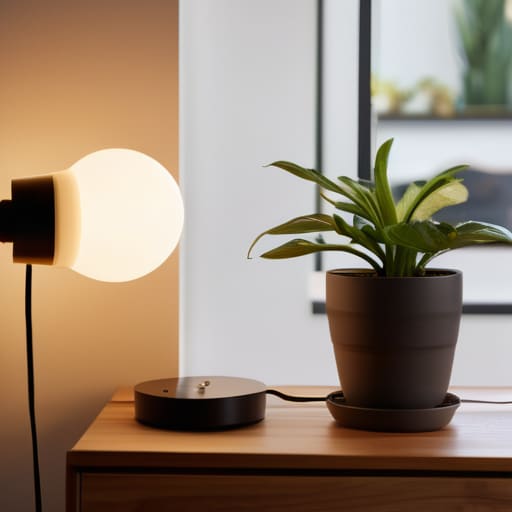
Now, I know looking at a sea of high-tech gadgets can feel a little daunting—trust me, even with my background in design, I had to wrap my head around it all! The secret to not feeling overwhelmed is to focus on finding the best smart devices for beginners that actually serve a purpose in your daily routine. Instead of buying everything at once, I always suggest starting with things that make your life feel a bit more magical, like a smart plug or a single bulb.
Before you hit “add to cart,” you really need to consider voice assistant compatibility. Think of it like choosing the right hardware for a furniture restoration project; if the parts don’t fit together, the whole thing won’t work! Whether you’re a fan of Alexa, Google, or Apple, making sure your new gadgets can “talk” to each other is key. I personally love starting with automating home lighting and temperature because there is nothing quite like walking into a room that already feels perfectly cozy and inviting. Let’s pick a few pieces that truly fit your lifestyle!
Finding Your Perfect Smart Home Ecosystem Comparison
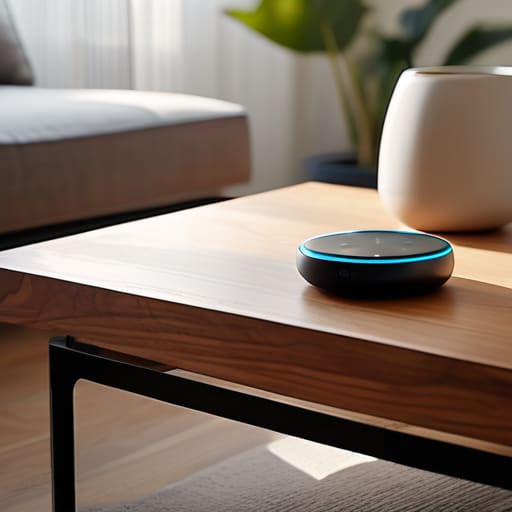
Now, before you go out and grab every shiny new gadget you see, we need to talk about the “brain” of your operation. Think of it like choosing the foundation for a home renovation; if the base isn’t solid, everything else will feel a bit wonky later on. This is where a smart home ecosystem comparison becomes your best friend. You’re essentially deciding which “language” your devices will speak so they can actually work together instead of acting like a group of strangers at a party.
Most people find their rhythm by picking a primary platform based on their current tech habits. Are you an Apple devotee, or do you live in the Google or Amazon universe? The key is checking for voice assistant compatibility before you hit that “buy” button. I always tell my readers to check if your favorite smart bulb or plug will actually talk to your preferred smart speaker. Once you’ve settled on a platform, setting up a smart home hub becomes a breeze, acting as the conductor for your beautiful new digital orchestra!
My Top 5 Golden Rules for Starting Your Smart Home Journey
- Start small so you don’t get overwhelmed! You don’t need to automate your entire house overnight. I always suggest starting with just one room—maybe your living room or bedroom—and getting a feel for how the tech works before you go buying a dozen different gadgets.
- Think about your daily “pain points” before you shop. Ask yourself, “What’s one thing in my routine that’s a little bit of a hassle?” If you’re always fumbling for light switches in the dark, start with smart bulbs. If you’re constantly forgetting to lock the front door, go for a smart lock. Let your lifestyle guide your purchases!
- Check for “compatibility” before you tap that ‘buy’ button. There is nothing more frustrating than getting a gorgeous new smart plug home only to realize it won’t talk to your existing ecosystem. Always double-check that the device works with the hub or voice assistant you’ve already chosen.
- Don’t forget about your Wi-Fi strength! Think of your Wi-Fi like the foundation of a house; if it’s shaky, everything else will feel unstable. If you’re planning to put smart devices in far-off corners or the backyard, make sure your signal can actually reach them, or you might need a mesh network extender.
- Prioritize security and privacy from day one. Since we’re inviting these little tech helpers into our private spaces, it’s super important to use strong, unique passwords and enable two-factor authentication on all your smart home accounts. It’s just like putting a good deadbolt on your front door!
Quick Tips to Get You Started
Start small and focus on one room at a time so you don’t get overwhelmed by all the new tech!
Make sure your new gadgets all play nice together by picking a single ecosystem before you start shopping.
Don’t be afraid to tinker and experiment—the best way to learn is by actually getting your hands on the devices!
Making Tech Feel Like Home
“Don’t let all the wires and high-tech jargon intimidate you; building a smart home isn’t about having the fanciest gadgets on the block, it’s about choosing a few thoughtful tools that actually make your daily life a little easier and your space a lot more magical.”
Emily Carter
You've Got This: Your Smart Home Journey Starts Now
I know that looking at a mountain of new tech can feel a little daunting—kind of like staring at a massive, gutted room before your first renovation project—but remember that you don’t have to do it all at once. We’ve walked through how to pick out the right gadgets that actually fit your lifestyle, and we’ve compared the different ecosystems to make sure your new tech actually talks to each other instead of causing a headache. The most important thing is to start small, whether that’s a single smart bulb or a clever plug, and focus on building a foundation that makes your daily routine a little bit easier and a lot more fun.
At the end of the day, your home should be a reflection of you and a place that supports your unique way of living. Don’t get caught up in the “perfect” setup you see on social media; instead, focus on the small, meaningful upgrades that make your space feel truly intuitive. Just like restoring a piece of vintage furniture, building a smart home is a process of learning and growing one step at a time. I am so incredibly proud of you for taking this leap into something new. Now, grab your tools (or your smartphone!), and let’s go make your dream space a reality!
Frequently Asked Questions
Is it going to be super expensive to get started, or can I pick up affordable gadgets at a local hardware store?
Oh, I hear you! The price tags on some of these high-tech gadgets can definitely be intimidating. But honestly? You don’t need to empty your savings to get started. I always tell my readers: start small! You can grab affordable smart plugs or bulbs at your local hardware store—just like the ones my family used to stock back in Ohio—and they make a huge difference. It’s all about building your setup one budget-friendly piece at a time!
Do I need to be a total tech wiz to get all these devices talking to each other, or is it pretty plug-and-play?
Oh, I hear you! Honestly, that’s the number one thing that scares my readers away, but I promise—you don’t need to be a tech genius. Most of these gadgets are designed to be super user-friendly. It’s a lot like following a furniture assembly guide; as long as you follow the steps in the app, they’ll start “talking” to each other in no time. We’ll take it one device at a time!
Will adding all these smart devices mess with my home's Wi-Fi or make my internet run slower?
That is such a common worry, and honestly, I used to stress about it too! It’s a bit like adding more furniture to a room—if you cram too much in at once, things get crowded. While adding devices can put a strain on your bandwidth, it won’t necessarily slow your internet if you set it up thoughtfully. My best tip? Invest in a good mesh Wi-Fi system early on to keep everything running smoothly!
