
I remember sitting on the floor of my first studio apartment, surrounded by half-finished sanding projects and fresh cans of paint, feeling like I couldn’t catch my breath. That heavy, stale scent wasn’t just “new home smell”—it was a wake-up call that I didn’t actually know how to improve indoor air quality in the spaces I was creating. Growing up in my dad’s hardware store, I learned that you can’t just mask a problem with a fancy scented candle; you have to get your hands dirty and actually address the source.
I’m not here to sell you on some overpriced, high-tech air purifier that promises to solve everything with a single button press. Instead, I want to share the practical, DIY-friendly methods I’ve learned through years of design work and home renovation. We’re going to walk through real, tangible changes you can make—from smart plant choices to simple maintenance hacks—that actually work. Let’s roll up our sleeves and transform your home into a space that feels as fresh and vibrant as it looks!
Table of Contents
Identifying Common Indoor Air Pollutants in Your Space

Before we can dive into the fun stuff—like picking out a new air purifier or rearranging your furniture to help air flow—we have to play a little detective. Honestly, it’s easy to forget that the air inside our homes isn’t quite as “clean” as the air we breathe outside. We’re often living with a cocktail of common indoor air pollutants without even realizing it. I’m talking about everything from the lingering scent of cleaning supplies to the microscopic dust bunnies hiding under your vintage dresser.
One of the biggest culprits I’ve noticed in my own projects is the sneaky relationship between moisture and dust. I can’t stress enough the impact of humidity on air quality; if your space feels a bit too damp, you’re essentially rolling out the red carpet for mold and dust mites. Then there’s the stuff we can’t see, like VOCs off-gassing from new paint or even that lovely old rug you just rescued from a flea market. Identifying these little troublemakers is the first step toward making your home feel like a true sanctuary again!
Natural Ways to Clean Indoor Air With Love
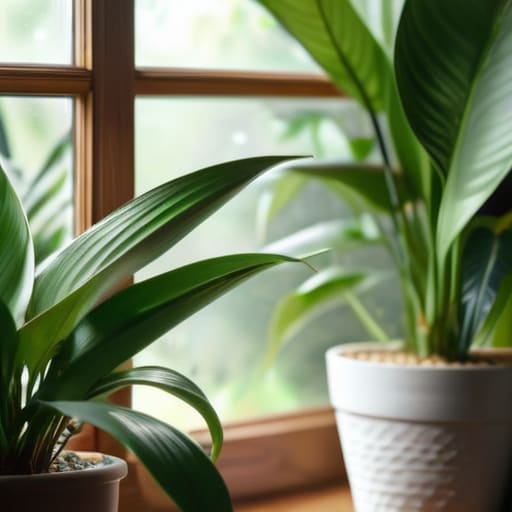
Now, let’s get into the fun part—bringing some life and freshness back into your rooms without relying on harsh, chemical-heavy sprays. One of my absolute favorite natural ways to clean indoor air is by leaning into the power of greenery. I’m a huge believer that houseplants aren’t just for aesthetics; plants like Snake Plants or Peace Lilies act as little living filters, working quietly to scrub the air while they soak up the sun. It’s like having a tiny, leafy cleaning crew right on your windowsill!
Beyond the plants, I’ve found that mastering a few simple ventilation techniques for homes makes a world of difference. I always tell my friends: don’t be afraid to crack those windows! Even just fifteen minutes of a cross-breeze in the morning can flush out stale air and bring in that crisp, outdoor energy. Also, keep a close eye on your moisture levels; managing the impact of humidity on air quality is key to preventing that musty, damp feeling. Keeping things balanced helps keep your sanctuary feeling light, airy, and truly revitalized.
5 Hands-On Ways to Refresh Your Home's Atmosphere
- Let’s talk ventilation! One of the easiest, most cost-effective things you can do is simply crack open those windows for a few minutes every morning. It creates a lovely cross-breeze that flushes out stale air and brings in that fresh, outdoor energy we all crave.
- Time to tackle the dust bunnies under the sofa. I highly recommend investing in a vacuum with a HEPA filter; it’s a total game-changer for trapping those tiny particles instead of just blowing them right back into your breathing zone.
- Since we’re all about that DIY lifestyle, let’s look at your cleaning supplies. Try swapping out those harsh, chemical-heavy sprays for natural alternatives like white vinegar or baking soda. Your lungs (and your countertops!) will definitely thank you.
- Don’t forget about your soft surfaces! Rugs, curtains, and even those cozy throw pillows act like little magnets for allergens. Giving them a good shake outside or a deep steam clean every once in a while keeps the air feeling much lighter.
- If you’re a fan of home scents like candles, let’s try a more mindful approach. Instead of synthetic fragrances that can actually add pollutants to your air, try using a high-quality essential oil diffuser or just simmering some cinnamon and orange peels on the stove for a natural, cozy aroma.
Quick Wins for a Fresher, Healthier Home
Start small by identifying the sneaky culprits in your space—like dust or old cleaning products—so you can tackle them one by one without feeling overwhelmed.
Embrace the power of nature by bringing in some leafy green friends; houseplants aren’t just beautiful decor, they’re hardworking little air purifiers!
Remember that progress over perfection is key—even a few simple, hands-on changes can make a world of difference in how your home feels and breathes.
[A Breath of Fresh Air]
“Improving your air quality isn’t about buying every expensive gadget on the market; it’s about tending to your home like a living, breathing thing—with a little bit of intention, a few leafy green friends, and the courage to tackle those dusty corners ourselves.”
Emily Carter
Breathing Easy in Your Own Beautiful Space
We’ve covered a lot of ground today, from sniffing out those pesky hidden pollutants to bringing in some leafy green friends to help scrub the air naturally. Remember, improving your air quality isn’t about achieving some impossible standard of perfection overnight; it’s about making intentional, small shifts in how you care for your home. Whether you’re swapping out harsh chemical cleaners for DIY alternatives or simply opening a window to let a fresh breeze dance through your living room, every little bit counts. It’s all about creating a healthier, more vibrant environment that supports your well-being and makes your sanctuary feel truly restorative.
At the end of the day, your home should be the one place where you can truly let your guard down and breathe deeply. I know that diving into home wellness projects can sometimes feel a bit overwhelming, but I promise you, the effort is so worth it. You have the power to transform your space from something that just looks good into something that actually feels good to live in. So, grab your favorite plant or your go-to eco-friendly spray, and let’s keep building a home that nourishes your soul. You’ve totally got this!
Frequently Asked Questions
I've heard a lot about air purifiers—are they actually worth the investment, or can I stick to my houseplants?
That is such a great question! Honestly, I love my plant babies as much as the next person—they definitely add a beautiful, soulful vibe to a room—but if we’re being real, they can’t do all the heavy lifting alone. Think of plants as your home’s gentle companions and an air purifier as your powerhouse tool. If you’re dealing with heavy dust or pet dander, a good purifier is definitely worth the investment!
How often should I really be deep cleaning my vents and filters to keep the air feeling fresh?
That is such a great question! Honestly, there isn’t a one-size-fits-all answer, but I usually recommend checking your HVAC filters every 30 to 90 days. If you have pets (like my little pup!) or live in a dustier area, you’ll definitely want to swap them more often. As for the vents themselves, I like to give them a good deep clean every few months to keep that airflow feeling crisp and fresh!
Are there any specific DIY cleaning products I should avoid to make sure I'm not accidentally making the air quality worse?
Oh, I am so glad you asked this! It’s a total trap I fell into early on. Honestly, keep those heavy-duty aerosol sprays and products loaded with synthetic fragrances far away from your project zone. Those “fresh linen” scents? They’re often just a cocktail of VOCs that can really irritate your lungs. Stick to the basics like white vinegar, baking soda, and essential oils—they get the job done without clouding up your beautiful, breathable sanctuary!
