
I remember standing in my parents’ hardware store back in Ohio, surrounded by the sharp, stinging scent of fresh sawdust and heavy-duty chemical solvents, thinking that “going green” meant you had to throw everything away and start over with a massive budget. It’s a total myth that being sustainable requires a designer’s bank account or a complete lifestyle overhaul. Honestly, some of the most popular eco friendly home tips floating around the internet feel more like expensive marketing ploys than actual, practical solutions for real people living in real homes.
I’m not here to sell you on some overpriced, “aesthetic” bamboo gadget that’s going to break in a week. Instead, I want to share the real-world, hands-on methods I’ve learned from years of tinkering, restoring, and designing. We’re going to focus on small, impactful changes—the kind you can actually achieve with a little bit of patience and a few basic tools. My promise to you is simple: no fluff, no hype, just honest, actionable advice to help you create a home that feels good for both you and the planet.
Table of Contents
- Sustainable Interior Design to Elevate Your Space
- Energy Efficient Home Improvements You Can Tackle Together
- Small Changes, Big Impact: My Favorite Ways to Live a Little Greener
- Let's Wrap This Up: Your Green Home Game Plan
- A Little Love for the Planet
- Let's Keep Building a Greener Future
- Frequently Asked Questions
Sustainable Interior Design to Elevate Your Space
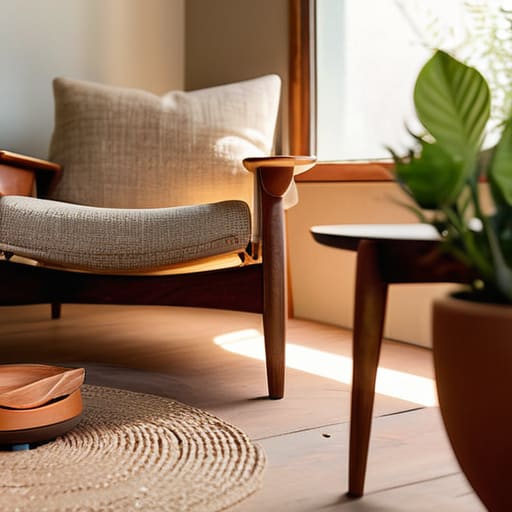
When I transitioned from professional interior design to full-time DIYing, I realized that a beautiful room shouldn’t come at the expense of the planet. One of my favorite ways to breathe new life into a space is through sustainable interior design, which is really just about being intentional with what we bring inside. Instead of rushing out to buy a brand-new, mass-produced sofa, I always encourage looking for vintage pieces that just need a little TLC. My personal obsession with restoring old furniture isn’t just a hobby; it’s a way to keep high-quality materials out of landfills while adding a unique, soulful character to your home that you simply can’t find in a big-box store.
Beyond the big furniture pieces, you can make a massive impact with the smaller details. I’m a huge advocate for swapping out synthetic textiles for natural fibers like organic cotton, linen, or jute. These materials don’t just look and feel more luxurious, but they also help reduce your household carbon footprint by avoiding the heavy chemical processing found in many synthetics. It’s all about those small, thoughtful layers that make your sanctuary feel both cozy and conscious.
Energy Efficient Home Improvements You Can Tackle Together
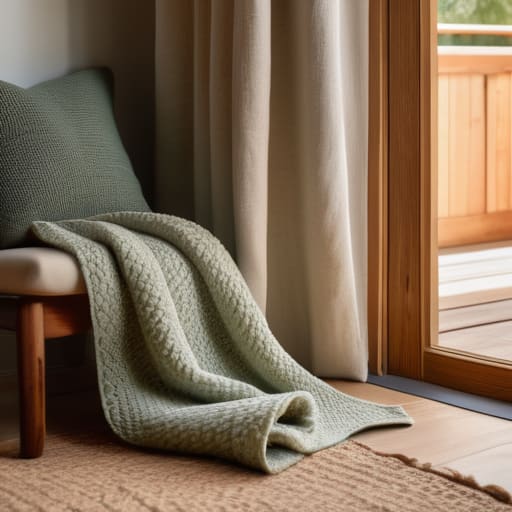
Now, let’s talk about the heavy hitters—the projects that really make a dent in your utility bills while helping you reduce your household carbon footprint. One of my favorite weekend projects involves tackling drafts. If you’ve ever felt that chilly breeze creeping under a door or around a window frame, you aren’t alone! Adding some stylish weatherstripping or even sewing some custom fabric draft stoppers is such a satisfying way to keep the warmth inside. It’s one of those small, hands-on wins that makes your home feel instantly cozier.
If you’re feeling a bit more ambitious, you can dive into some larger energy efficient home improvements, like swapping out those old, power-hungry lightbulbs for LEDs. I know, it sounds simple, but doing it all at once feels like such a massive victory for your home’s ecosystem! I also love suggesting smart thermostats; they’re a total game-changer for managing energy use without having to constantly fiddle with the dial. These aren’t just chores; they are ways to invest in the future of your home and the planet, one project at a time.
Small Changes, Big Impact: My Favorite Ways to Live a Little Greener
- Let’s talk about the magic of second-hand treasures! Instead of hitting up those big-box stores for brand new decor, I love scouring local thrift shops or Facebook Marketplace. Not only does it save you a ton of money, but it also keeps perfectly good pieces out of landfills and gives your home a character you just can’t buy off a shelf.
- Give your old textiles a second life. Before you toss those worn-out cotton sheets or old linen curtains, think about what they can become. I’ve spent many a weekend turning old fabric scraps into reusable produce bags or even cute little patchwork coasters. It’s a super rewarding way to reduce waste right in your own sewing nook!
- Swap out those harsh cleaners for some DIY goodness. You don’t need a cabinet full of heavy chemicals to get a sparkling kitchen. I swear by a simple mixture of white vinegar, water, and a few drops of essential oil. It’s easy on your lungs, easy on your wallet, and honestly, it smells much more like a spa than a laboratory.
- Don’t underestimate the power of a little “greenery” intervention. Adding indoor plants isn’t just about that Pinterest-worthy aesthetic (though it definitely helps!); it’s a natural way to improve your air quality. Plus, there is something so incredibly grounding about nurturing a living thing right on your windowsill.
- Let’s get intentional with our lighting. If you haven’t made the switch to LED bulbs yet, this is your sign! They last way longer than the old incandescent ones, meaning fewer trips to the hardware store and less waste. Pair that with some clever layering—like using floor lamps instead of harsh overhead lights—and you’ll have a cozy, energy-efficient sanctuary in no time.
Let's Wrap This Up: Your Green Home Game Plan
Remember, sustainability isn’t about being perfect overnight; it’s about making intentional, small changes—like swapping out a single lightbulb or repurposing an old chair—that add up to a huge impact over time.
Don’t be afraid to get your hands dirty! Whether you’re sourcing vintage pieces or installing low-flow fixtures, the most rewarding part of a greener home is knowing you built it with your own two hands.
Keep listening to your space and your budget; there’s no one-size-fits-all approach, so just take it one project at a time and celebrate every little win along the way!
A Little Love for the Planet
“Making your home eco-friendly isn’t about achieving perfection overnight; it’s about those small, intentional choices—like choosing a reclaimed wood side table or swapping out old bulbs—that turn your living space into a sanctuary that’s as kind to the earth as it is beautiful to look at.”
Emily Carter
Let's Keep Building a Greener Future
We have covered so much ground today, from rethinking our interior design choices to rolling up our sleeves for those energy-saving upgrades. Whether you’re swapping out old textiles for organic fibers or finally tackling that insulation project to keep your home cozy, remember that every small, intentional change adds up. It’s not about achieving perfection overnight or having a massive budget; it’s about making mindful decisions that respect both your personal style and the world around us. By focusing on sustainable materials and energy efficiency, you aren’t just improving your living space—you are creating a lasting legacy of care within your very own walls.
As I always say, the most beautiful homes are the ones filled with intention and a little bit of hard work. Don’t feel overwhelmed by the big picture; just grab your favorite hammer, pick one project from this list, and start there. I promise you, there is something so incredibly rewarding about looking at a room and knowing you helped make it a little kinder to the planet. You have the tools, the talent, and the heart to make this happen. Now, let’s get out there and build something amazing together!
Frequently Asked Questions
I love the idea of using reclaimed materials, but is it actually harder to find good pieces for a DIY project than buying new?
Honestly, it can be a bit more of a scavenger hunt than a trip to a big-box store, but that’s half the fun! You won’t find everything in one aisle, so you’ll need to get creative with estate sales or local salvage yards. It takes a little more patience and a bit of “hunting” time, but the character and soul those pieces bring to your home are worth every extra minute!
Are there any specific eco-friendly paints or finishes that are actually easy to work with for a beginner?
Oh, I am so glad you asked! When I first started DIYing, I was terrified of “green” products being finicky or hard to spread. Honestly, though? Low-VOC or Zero-VOC water-based paints are absolute game-changers. They’re super easy to work with, smell way less intense, and dry quickly—perfect for a weekend project! I also love using natural beeswax for furniture finishes; it’s incredibly forgiving and gives everything such a beautiful, soulful glow.
If I'm on a tight budget, which energy-saving upgrade should I tackle first to get the most bang for my buck?
Oh, I hear you! When the budget is tight, you want to see those savings hit your bank account ASAP. Honestly? Start with your windows and doors. Swapping out old, drafty weatherstripping or adding some heavy, thermal curtains is a total game-changer. It’s a super low-cost DIY that stops that expensive air from escaping. It’s like giving your home a cozy hug and keeping your utility bills much more manageable!
