
I remember standing in my dad’s hardware store back in Ohio, watching him meticulously organize every single screw and nail into their proper bins. He used to say that if you don’t respect your small supplies, you’ll never have enough for the big builds. I didn’t realize then that the same logic applies to our bank accounts. Somewhere along the way, the “experts” made personal finance feel like some complex, high-end architectural blueprint that requires a degree to understand, when really, learning how to make your money last is a lot more like learning how to sand a vintage dresser. It’s not about some magic trick or a complex algorithm; it’s about intentionality and knowing exactly what you have in your toolkit.
I’m not here to sell you on some get-rich-quick scheme or a complicated investment strategy that feels like it was written in another language. Instead, I want to share the practical, hands-on methods I’ve used to build a stable foundation for my own life and projects. We are going to walk through some honest, no-nonsense steps to help you manage your resources with care and patience. Let’s stop guessing and start building a financial future that is as steady and beautiful as a well-restored home.
Table of Contents
- Mastering Zero Based Budgeting Techniques for a Beautiful Life
- Building Your Emergency Fund Building Safety Net With Patience
- Laying the Foundation: 5 Essential Steps to Build Your Financial Blueprint
- My Blueprint for Financial Confidence
- ## Treating Your Finances Like a Masterpiece
- Building Your Financial Blueprint
- Frequently Asked Questions
Mastering Zero Based Budgeting Techniques for a Beautiful Life
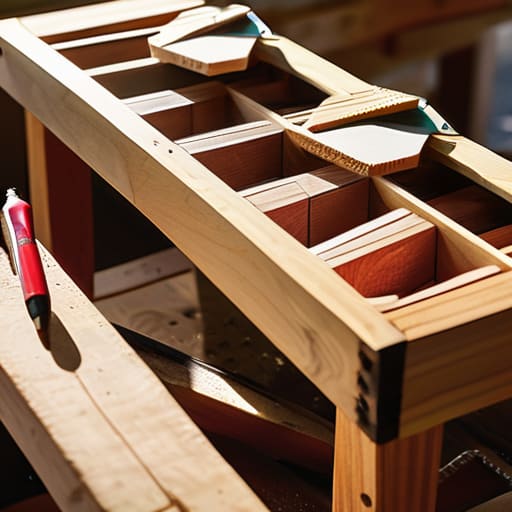
Think of your monthly income like a pile of raw lumber for a new build. If you just let it sit in the driveway, it’s easy to lose track of what you actually have. That’s where zero-based budgeting techniques come into play. The goal isn’t to live a life of deprivation, but to give every single dollar a specific “job” to do before the month even begins. Whether it’s going toward your rent, a new set of sanding pads, or your long-term savings, assigning a purpose to every cent ensures nothing leaks away on impulse buys that don’t actually add value to your life.
I used to struggle with managing variable expenses, especially when I’d get carried away buying specialty paints or vintage hardware for a restoration project. By using this method, I can intentionally set aside a “creative fund” so my hobbies don’t derail my bigger goals. It’s all about creating a blueprint for your cash flow. When you treat your finances with the same precision you’d use to measure a tabletop, you build a sense of financial stability that allows you to breathe easier and dream bigger.
Building Your Emergency Fund Building Safety Net With Patience
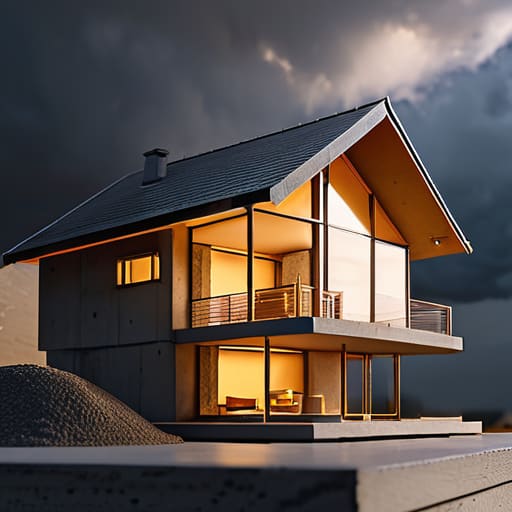
Think of an emergency fund like the structural foundation of a house. You might not see it once the drywall is up and the beautiful decor is in place, but without that solid base, the whole structure is at risk when a storm rolls in. When it comes to emergency fund building, it’s not about having a massive windfall overnight; it’s about the steady, intentional work of setting aside small amounts, much like how you’d layer primer before applying a gorgeous final coat of paint.
I know it can feel daunting to look at your bank account and realize you aren’t quite where you want to be, but please be kind to yourself. Instead of trying to overhaul everything at once, try focusing on reducing daily spending on things that don’t actually add value to your life. Maybe that’s skipping the fancy takeout this week or finding a more sustainable way to shop for craft supplies. By applying these small, consistent changes, you’re not just saving money—you’re actively constructing a safety net of financial stability that will give you the peace of mind to create and live more boldly.
Laying the Foundation: 5 Essential Steps to Build Your Financial Blueprint
- Think of your spending like selecting materials for a renovation—you wouldn’t buy high-end marble if you’re just fixing a guest bathroom, so learn to distinguish between your “must-have” structural needs and those “nice-to-have” decorative flourishes that can wait.
- Just like I wouldn’t start a furniture restoration without a solid plan, don’t start your month without a clear vision of where every dollar is headed; mapping out your expenses ahead of time prevents those unexpected “leaks” in your budget.
- Treat your savings like a high-quality primer; you need to apply it consistently and patiently before you can start adding the beautiful layers of investment and long-term wealth.
- Avoid the temptation of “cheap” fixes that end up costing more in the long run—whether it’s low-quality tools or impulse buys, investing in quality and intentionality now will save you from a massive “remodeling” bill later.
- Create a “maintenance schedule” for your finances by checking in on your goals once a week, much like how I’d check the progress of a sanding project, to ensure everything is staying on track and looking beautiful.
My Blueprint for Financial Confidence
Treat your budget like a floor plan—every single dollar needs a designated room and a purpose so nothing gets lost in the shuffle.
Don’t rush the process of building your safety net; just like sanding down an old piece of furniture, steady and consistent effort leads to the most durable results.
View your finances as raw materials for your future, giving you the freedom to design a life that feels as good as it looks.
## Treating Your Finances Like a Masterpiece
“Think of your budget just like a vintage furniture restoration: if you rush the prep work or use cheap materials, the whole thing falls apart later. But if you take your time, layer your savings with intention, and treat every dollar like a precious piece of hardware, you’ll build a financial foundation that’s as sturdy and beautiful as a hand-crafted heirloom.”
Emily Carter
Building Your Financial Blueprint
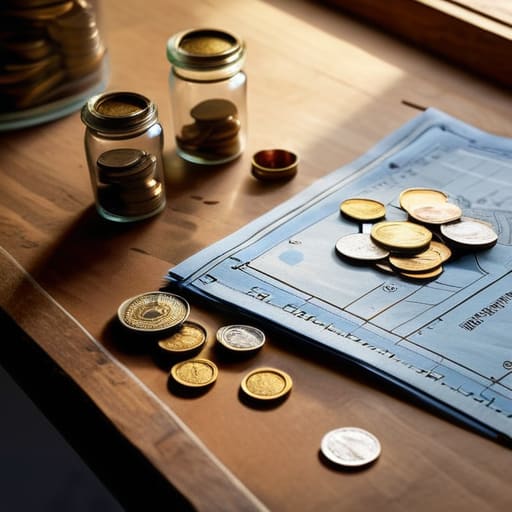
At the end of the day, managing your finances is a lot like tackling a major home renovation. We’ve talked about how zero-based budgeting gives you a clear blueprint for every single dollar, and how building that emergency fund acts as the solid foundation that keeps everything from cracking when life gets messy. It isn’t about restricting yourself or living a life of scarcity; it’s about intentionality. When you know exactly where your resources are going, you stop reacting to financial surprises and start proactively designing a life that aligns with your actual values. Just like a well-planned DIY project, consistency is your most important tool in making sure your hard-earned money actually works for you.
I know that looking at your bank account can sometimes feel as intimidating as staring at a pile of raw lumber and a set of complex instructions. But please, don’t let the fear of making a mistake stop you from starting. You don’t have to be a financial expert to begin building something beautiful and secure. Take it one “measurement” at a time, be patient with your progress, and remember that even the most stunning custom homes started with a single nail. You have the power to craft a future that feels both stable and inspired, and I truly cannot wait to see how you build it. Let’s keep creating!
Frequently Asked Questions
I’ve got a bit of a "spending itch" when I see a beautiful piece of vintage furniture—how do I balance my love for DIY projects with staying on my budget?
Oh, I feel this in my soul! Trust me, that “vintage itch” is real—I’ve definitely spent a weekend’s grocery budget on a mid-century dresser that just needed me. My best advice? Treat your budget like a project blueprint. Before you buy, ask: “Do I have the space, the tools, and the funds for the restoration?” Try setting a dedicated “Thrift & Tool Fund” each month. It turns every purchase into a planned win rather than a budget blowout!
How do I know if I'm actually making progress with my savings, or if I'm just spinning my wheels every month?
It’s so easy to feel like you’re just running in place, especially when those big goals feel miles away. I like to think of it like a home renovation—you don’t see the whole transformation overnight, but you can see the progress in the details. Start tracking your “net savings rate” rather than just the total number. If that percentage is creeping up, even by a tiny bit, you aren’t spinning your wheels; you’re building momentum!
What should I do if an unexpected home repair pops up and completely throws my zero-based budget off track?
Oh, I have been there! It’s like when you’re mid-way through a furniture restoration and realize the wood is more damaged than you thought. First, don’t panic—take a breath. Look at your zero-based budget and see where we can “borrow” from. Maybe we scale back the dining out or pause that new decor fund for a month. It’s just a temporary pivot in our blueprint to keep the foundation solid. We’ll get back on track!
