
I remember sitting on the floor of my parents’ hardware store back in Ohio, surrounded by the scent of sawdust and fresh pine, watching my dad meticulously count every single screw and washer in a bin. He used to say that if you don’t know exactly what you have in your toolbox, you’ll never finish the job. I used to think he was being a bit intense, but honestly, that same philosophy applies perfectly to your bank account. Most people think learning how to make a budget means living a life of deprivation or drowning in complicated spreadsheets that look like they were designed by NASA. But let me tell you, that’s a total myth. A budget isn’t a cage; it’s actually the blueprint that gives you the freedom to build the life you want.
I’m not here to give you some fancy, unattainable financial theory that belongs in a textbook. Instead, I’m going to share the practical, hands-on approach I used to transition from a struggling designer to a confident DIYer who actually knows where every cent is going. We are going to strip away the jargon and focus on real-world steps that actually stick. By the end of this, you’ll have a solid plan that feels less like a chore and more like building something amazing from the ground up!
Table of Contents
Mastering Personal Finance Management With Ease
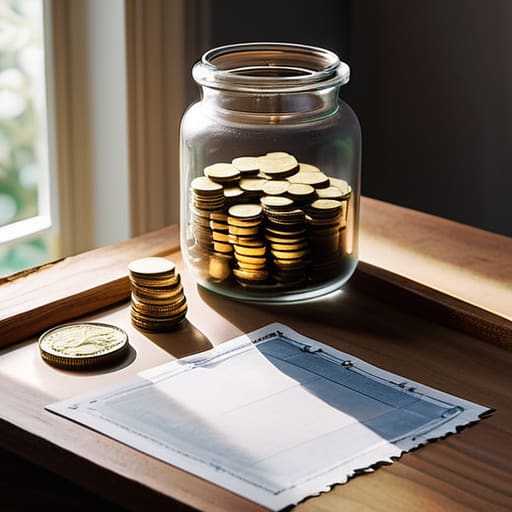
Think of your finances like a home renovation project. You wouldn’t start tearing down walls without a solid blueprint, right? The same goes for your money! To really get a handle on things, I love recommending the 50/30/20 budgeting rule. It’s such a simple, approachable framework: 50% of your income goes to needs, 30% to your wants (yes, that includes those gorgeous vintage finds!), and 20% goes straight to savings or debt. It takes the guesswork out of the equation and keeps you from feeling overwhelmed.
Once you have your framework, the next step is the “measure twice, cut once” phase of personal finance management. This means tracking monthly expenses with real intention. Whether you use a cute handwritten journal or a sleek app, seeing exactly where every dollar flows is a total game-changer. It’s not about restricting your joy; it’s about making sure your money is actually working toward the life you want to build. When you know your numbers, you can tackle your big dreams with so much more confidence!
The Magic of Tracking Monthly Expenses Together

Now, I know what you’re thinking—tracking every single cent feels a bit like trying to sand a piece of reclaimed oak with a piece of sandpaper that’s way too coarse. It’s tedious, right? But honestly, tracking monthly expenses is where the real magic happens. It’s like taking a blueprint of your life; you can’t build a sturdy structure if you don’t know exactly where your materials are going! When I first started this journey, I was shocked to see how many “tiny” purchases—those little coffee runs or impulse decor finds—were actually chipping away at my bigger goals.
Once you start seeing those patterns, you can finally start applying some real strategy, like the 50/30/20 budgeting rule. This method is a total game-changer because it gives your money a specific job to do, ensuring your needs are met while still leaving room for a little bit of fun. Think of it as organizing your toolkit; when everything has its proper place, you stop wasting resources and start building something truly lasting. Let’s turn those numbers into a plan we can actually get excited about!
5 Pro-Tips for Building a Budget That Actually Sticks
- Give Your Money a Job: Think of your budget like a blueprint for a room. You wouldn’t just throw furniture in a space without a plan, right? Assign every single dollar a purpose—whether it’s for rent, groceries, or that gorgeous vintage lamp you’ve been eyeing—so you aren’t left wondering where it all went at the end of the month.
- Build in a “Splurge Fund”: I’m a firm believer that life is too short to never enjoy the fruits of your labor. If your budget is too restrictive, you’ll end up abandoning it faster than a half-finished sanding project. Set aside a small, guilt-free amount each month for those little treats that keep your spirit high.
- Use the “Envelope Method” for Tricky Categories: We all have those categories where we tend to overspend, like dining out or craft supplies. Try using physical envelopes (or digital ones in your banking app) with a set amount of cash. Once the envelope is empty, that’s it for the month! It’s a tactile way to keep yourself accountable.
- Don’t Forget the “Hidden” Costs: Just like when you’re renovating a kitchen and realize you need more hardware than you thought, life has its little surprises. Always build a small buffer into your budget for things like annual subscriptions, car maintenance, or those unexpected home repairs that always seem to pop up.
- Review and Refine Regularly: Your budget shouldn’t be set in stone. Just like how I might adjust my design plans once I see how the light hits a room, you need to sit down once a month and see what’s working and what isn’t. Be kind to yourself if you go over in one area—just tweak the plan and keep building!
Let's Wrap This Up: Your Blueprint for Success
Think of your budget as a design plan, not a restriction; it’s just a way to make sure your money is building the life you actually want to live!
Don’t sweat the small stuff or aim for perfection right out of the gate—the most important part is just getting those numbers down on paper and staying consistent.
Keep your eyes on the prize by celebrating those small wins, whether it’s finally hitting a savings goal or just feeling more in control of your hard-earned cash!
Building Your Financial Blueprint
“Think of a budget just like a floor plan for your life; it’s not about restricting your freedom, it’s about designing a space where your dreams actually have the room to grow!”
Emily Carter
Bringing Your Financial Blueprint to Life

Just like when I’m staring at a room that needs a total overhaul, looking at a pile of receipts and bank statements can feel a little overwhelming at first. But remember, we’ve already done the heavy lifting! We’ve talked about mastering your personal finance management, setting clear goals, and the real magic that happens when you start tracking those monthly expenses together. By breaking your spending down into manageable categories, you aren’t just restricting yourself; you’re actually building a solid foundation that allows you to spend on the things that truly bring you joy without that nagging sense of guilt.
At the end of the day, a budget isn’t a cage—it’s a tool, much like my favorite vintage mallet or a precision level. It’s there to help you build the life you want to live. There might be days when you go a little over budget, and that is totally okay! Don’t let a small mistake ruin your momentum. Just pick up your tools, adjust your plan, and keep building. I truly believe that once you master the art of the budget, you’ll have the freedom to transform not just your bank account, but your entire lifestyle. Now, let’s go out there and make something amazing happen!
Frequently Asked Questions
I’m a little intimidated by the numbers—is there a way to start budgeting without feeling completely overwhelmed?
Oh, I hear you! Honestly, looking at a mountain of numbers can feel just as intimidating as staring at a gutted kitchen before your first renovation. My advice? Don’t try to build the whole house in one day. Start small—just track your spending for one week without judging yourself. Think of it as a “test run” rather than a strict rulebook. Once you get the hang of the tools, the rest will follow!
How do I make sure I'm actually setting aside enough money for my DIY projects and home decor without dipping into my emergency savings?
Think of your DIY fund like a separate material stash for a big project—you wouldn’t use your emergency sealant on a decorative trim, right? The secret is creating a “Project Piggy Bank.” Open a separate high-yield savings account specifically for home improvements. Every time you save on a grocery run or skip an impulse buy, toss that cash in there. By separating your “fun” sawdust money from your “safety net” funds, you can shop for that vintage dresser without any guilt!
Should I be using a fancy app to track everything, or is a simple notebook and pen still the best way to go?
Honestly, it’s like choosing between a high-end power saw and a trusty old hand plane—both have their place! If you love tech and want everything synced, a fancy app is a lifesaver. But if you’re like me and find peace in the tactile feel of a pen on paper, a simple notebook is perfect. Don’t overcomplicate it; the best tool is simply the one you’ll actually use every single day!
