
I still remember standing in the middle of a high-end boutique during my early days as an interior designer, feeling completely suffocated by the sheer pressure to spend a small fortune just to achieve a “curated” look. The sales associates acted like if you weren’t dropping thousands on a single marble side table, you weren’t serious about design, and honestly? It’s such a load of nonsense. I learned pretty quickly that knowing how to shop smarter isn’t about having a massive credit limit; it’s about having the eye to see value where others only see a price tag.
I’m not here to give you a list of fancy retailers or tell you to buy more stuff just because it’s trending on Pinterest. Instead, I want to share the real, grit-under-your-fingernails secrets I picked up growing up in my family’s hardware store and through years of scouring flea markets. We are going to dive into practical, no-nonsense strategies for finding high-quality pieces that actually last, without draining your savings. Let’s get to work and start building a home you love, one intentional choice at a time!
Table of Contents
- Mastering Price Comparison Techniques to Build Your Vision
- Avoiding Impulse Purchases to Protect Your Creative Potential
- My Secret Toolkit for Scoring Quality Finds Without the Sticker Shock
- Making Your Budget Work as Hard as You Do
- [The Heart of Savvy Shopping]
- Bringing It All Home
- Frequently Asked Questions
Mastering Price Comparison Techniques to Build Your Vision
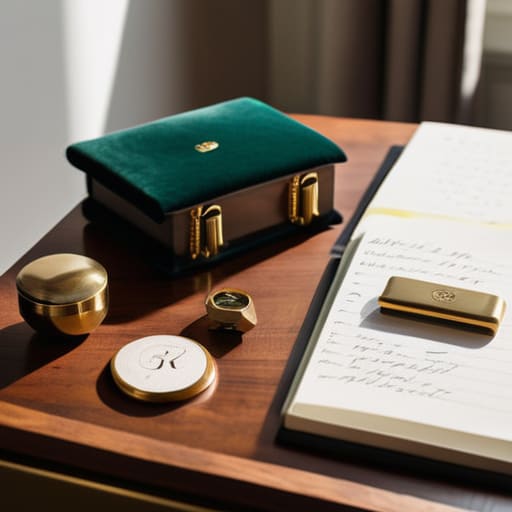
Now, let’s get into the nitty-gritty of how we actually stretch those dollars. When I was working in interior design, I quickly learned that a beautiful room isn’t about how much you spend, but how strategically you allocate your resources. One of my favorite price comparison techniques is to never settle for the first price tag you see. I always keep a running list of my “must-have” items—whether it’s a specific brass hardware set or a velvet swatch—and I cross-reference them across multiple specialty sites and local boutiques. It takes a little extra time, but seeing that total drop at checkout is such a rush!
Beyond just comparing numbers, we really have to get intentional about our consumer spending habits. It is so incredibly easy to fall into the trap of “retail therapy” when you see a gorgeous piece on sale, but that’s exactly how we end up with a house full of beautiful things that don’t actually fit our vision. I’ve learned that avoiding impulse purchases is the secret sauce to staying on track. Before you hit ‘buy,’ ask yourself: “Does this piece serve a purpose in my design plan, or am I just in love with the discount?”
Avoiding Impulse Purchases to Protect Your Creative Potential

We’ve all been there: you’re browsing a local flea market or scrolling through a home decor site, and suddenly, that gorgeous, oversized brass lamp is calling your name. It feels like the perfect piece, right? But before you tap “add to cart,” I want you to take a breath and ask yourself if it actually fits your long-term vision. One of the biggest hurdles in any DIY journey is managing our consumer spending habits so they don’t derail our bigger dreams. I’ve learned the hard way that a handful of “small” impulse buys can quickly eat up the funds I had earmarked for that vintage sideboard restoration I’ve been eyeing for months.
To keep your creative momentum going, I highly recommend implementing a “24-hour rule.” If you see something that sparks instant joy, step away and sleep on it. This simple habit is one of the most effective ways of avoiding impulse purchases that don’t serve your actual space. By giving yourself that buffer, you ensure that every dollar you spend is an intentional investment in your home, rather than just a fleeting moment of excitement. Let’s make sure your hard-earned money is building your dream home, one purposeful piece at a time!
My Secret Toolkit for Scoring Quality Finds Without the Sticker Shock
- Build a “Project Blueprint” before you even step foot in a store. I used to wander aimlessly through aisles, but now I always jot down exact measurements and a specific color palette. If it’s not on the list, it’s not in the cart!
- Learn to read the “DNA” of a piece. Whether you’re at a thrift shop or a big-box retailer, look past the finish. Check for solid wood versus particle board and examine the joinery. Investing in quality construction now means you won’t be replacing it in two years.
- Embrace the magic of the “Off-Season Hunt.” Just like I wait for the best vintage finds, I always shop for home goods when they aren’t in high demand. Grab your garden supplies in the fall and your cozy textiles in the spring to snag those sweet discounts.
- Set a “Creative Buffer” in your budget. I always set aside an extra 10% of my project funds for the unexpected—like that perfect antique brass knob that just happens to be a little pricier than expected. It keeps the stress away when those little details call your name.
- Become a pro at the “Wait-and-See” rule. If you find something that isn’t a necessity but looks gorgeous, give it 48 hours. Usually, that “must-have” feeling fades, and you’ll realize your budget is better spent on the core elements of your vision.
Making Your Budget Work as Hard as You Do
Always keep your end goal in sight by comparing prices across different platforms, ensuring you’re getting the best value for the specific pieces that fit your vision.
Resist the urge to grab every “deal” that catches your eye; staying disciplined with your shopping list keeps your funds available for the high-impact projects that truly transform a room.
View smart shopping as a way to protect your creative energy, allowing you to invest more wisely in quality materials that will stand the test of time in your home.
[The Heart of Savvy Shopping]
“Shopping smarter isn’t about depriving yourself of the beautiful things you love; it’s about being intentional so that every piece you bring into your home has a purpose, a story, and a place in the vision you’re building with your own two hands.”
Emily Carter
Bringing It All Home
At the end of the day, shopping smarter isn’t about deprivation or living a life of “no”; it’s about being intentional with your resources so you can say “yes” to the things that truly matter. We’ve talked about the importance of mastering price comparisons to ensure you’re getting the best bang for your buck, and we’ve looked at how keeping those impulse buys at bay can protect your creative budget. By applying these little strategies, you aren’t just saving a few dollars—you are curating a foundation that allows you to invest in higher-quality materials and pieces that will actually stand the test of time in your home.
I know that stepping into a big-box store or scrolling through endless online marketplaces can feel a little overwhelming sometimes, but I promise you, you’ve got this. Remember, every beautiful room or perfectly restored vintage dresser started with a single, thoughtful decision. Don’t let the fear of making a “wrong” purchase hold you back from starting your next big project. Trust your gut, keep your vision clear, and most importantly, have fun with the process. I can’t wait to see what incredible things you build with the treasures you find. Let’s get out there and start creating!
Frequently Asked Questions
How do I know if a "sale" is actually a good deal or just a marketing trick to get me to spend more?
Ugh, I have been there! It is so easy to get swept up in those bright red “SALE” signs, but don’t let the hype cloud your vision. My golden rule? Always check the “original” price against other retailers first. If a store claims something is 50% off, but it’s actually full price elsewhere, that’s just a shiny distraction. Keep a running list of your “must-haves” and stick to it—if it doesn’t serve your project, walk away!
Is it better to invest in high-quality, expensive tools right away, or should I start with budget options as I learn?
Honestly, this is such a common dilemma! If I were starting over today, I’d tell you to go for the “middle ground” approach. Don’t blow your whole budget on a professional-grade table saw right away, but please, don’t buy the cheapest, flimsiest tools either—they can actually make learning harder! Invest in the basics you’ll use constantly, like a solid drill or a decent hammer (trust me, you need a good one!), and then upgrade as your skills grow.
How can I tell if a piece of furniture is well-made and worth the price, rather than just looking pretty on the surface?
Don’t let a pretty finish fool you! I always tell my readers to get hands-on. First, check the weight—real wood feels substantial, while lightweight stuff is often just particle board. Next, look for joinery; dovetail joints are the gold standard for drawers, whereas staples or simple glue mean it won’t last. Finally, give it a little wiggle. If it wobbles or feels flimsy, it’s not worth your hard-earned money!
