
I still remember standing in my dad’s hardware store back in Ohio, staring at the massive aisles of lumber and feeling completely overwhelmed. I wanted to make things, but the thought of wasting expensive wood on a mistake felt terrifying. If you’ve ever felt that same hesitation—that little voice in your head wondering if you actually have what it takes to pick up a saw—please know that you aren’t alone. Starting your journey with beginner woodworking projects isn’t about achieving perfection on day one; it’s about finding the courage to make your first few cuts and realizing that you are more capable than you think.
In this post, I’ve handpicked five specific projects that are designed to build your confidence without breaking your spirit (or your budget!). We’re going to move past the intimidation factor and dive straight into practical, rewarding builds that will actually level up your home decor. By the time we’re through, you’ll have a roadmap of projects that turn raw scraps into something beautiful and functional. So, grab your favorite hammer and let’s get to work!
Table of Contents
The Classic Floating Shelf
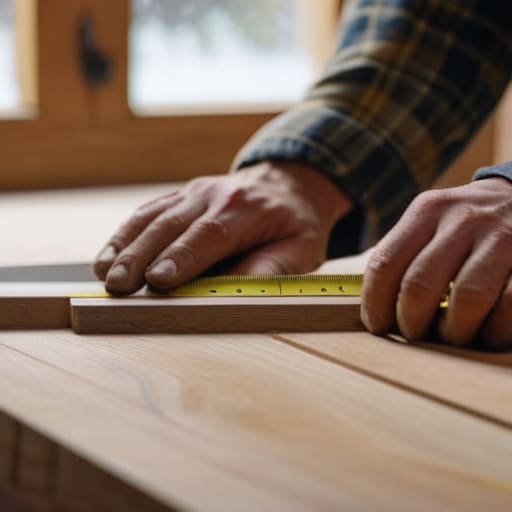
There is something so incredibly satisfying about seeing a piece of wood transform from a raw plank into a sleek, modern shelf on your wall. I remember my very first attempt at this back when I was still living in my tiny apartment in Savannah; it wasn’t perfect, but it was mine. Floating shelves are the ultimate entry point into woodworking because they don’t require complex joinery, just some steady hands and a decent level to make sure everything stays straight.
A Rustic Serving Tray
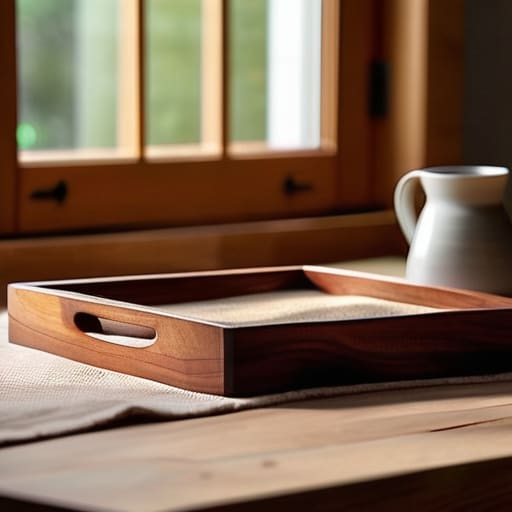
If you’re looking for something that feels a bit more “lifestyle” and less “construction,” a handmade serving tray is the way to go. I love these because they are so versatile—you can use them for breakfast in bed, as a coffee table organizer, or even as a centerpiece for a holiday spread. Since you’re working with smaller pieces of wood, it’s a low-stakes way to practice your sanding techniques, which is honestly the secret sauce to any professional-looking project.
Minimalist Plant Stands
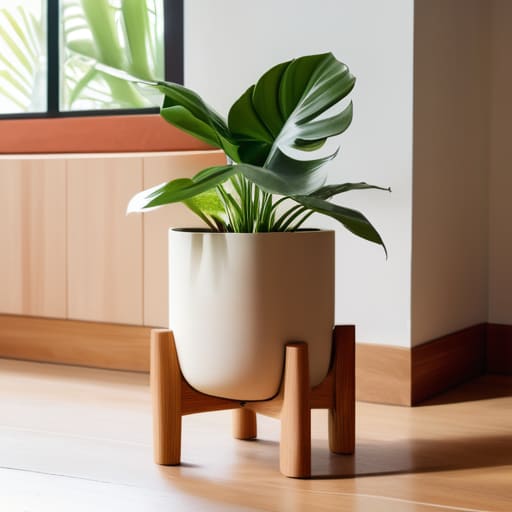
As someone who has definitely gone a little overboard with my indoor jungle, I know how much a good plant stand can change the energy of a room. Instead of having all your greenery sitting on the floor, a simple wooden stand allows you to play with vertical height and create more visual interest in your corners. These are fantastic beginner projects because they mostly consist of straight cuts and simple assembly.
Custom Coaster Sets
I know what you might be thinking—coasters seem almost too simple—but hear me out! This is the perfect project for those days when you just want to tinker without the pressure of a massive build. It’s also a wonderful way to experiment with different wood species; imagine a set featuring walnut, cherry, and oak all mixed together for a gorgeous, natural gradient.
The Simple Entryway Catchall
We all have that one “junk spot” near the front door where keys, wallets, and sunglasses go to disappear. I used to struggle with this constantly until I decided to build my own little entryway catchall. It’s essentially a shallow wooden box, but it makes such a massive difference in keeping your daily essentials organized and easy to grab on your way out the door.
A Few Final Thoughts Before You Grab Your Tools
Don’t sweat the small stuff; even if your first cut isn’t perfectly straight, remember that every mistake is just a lesson in disguise on your way to becoming a pro.
Start small and stay patient, because the real magic isn’t in finishing a massive project, but in the confidence you build with every single nail and screw.
Focus on the joy of the process rather than perfection, because at the end of the day, the most beautiful thing you’ll create is your own new skill set!
A Little Bit of Dust and a Whole Lot of Heart
“Don’t let a pile of sawdust or a slightly crooked joint scare you off; every masterpiece starts with a few messy mistakes and the courage to just pick up a hammer and try.”
Emily Carter
You’ve Got This!
I know that looking at a pile of lumber and a brand-new saw can feel a little overwhelming at first, but look at how far you’ve already come just by getting started! Whether you decided to tackle a simple floating shelf, a rustic serving tray, or a sturdy little planter box, you’ve officially taken those first, crucial steps into the world of woodworking. Remember, the goal of these beginner projects isn’t to create a museum-quality masterpiece on day one; it’s about learning the rhythm of your tools and getting comfortable with the material. Every little mistake—like a slightly crooked cut or a bit too much sandpaper—is actually just a hidden lesson that will make you a much better maker in the long run.
As you wrap up your first project and clear away those sawdust piles, I want you to take a moment to really look at what you’ve created. There is something so incredibly special about sitting in a room and knowing, “I made that with my own two hands.” That sense of pride is exactly why I fell in love with this craft back in my family’s hardware store, and I know you’ll feel it too. Don’t let the momentum stop here! Keep experimenting, keep building, and most importantly, keep trusting yourself. I can’t wait to see what you build next—let’s keep making something amazing together!
Frequently Asked Questions
I don't have a huge budget yet—what are the absolute must-have tools I should pick up first without breaking the bank?
Oh, I hear you! When I was first starting out in my parents’ hardware store, I used to think I needed every power tool in the aisle, but you really don’t. Start with the basics: a reliable cordless drill, a good tape measure, a speed square, and a quality handsaw. Oh, and don’t skimp on a solid hammer—it’s basically your best friend! Grab these essentials first, and you’ll be ready for almost anything.
Is it okay if my first few projects look a little messy, or should I be aiming for perfection right out of the gate?
Oh my goodness, please let me stop you right there! If you’re aiming for perfection on your first try, you’re going to miss out on all the fun. Honestly? My very first bookshelf was so wonky I wouldn’t even let it into my living room! Embrace the mess, the sawdust, and even the slightly crooked edges. Those “imperfections” are just proof that you’re learning. Just keep building—that’s where the real magic happens!
What kind of wood is the most forgiving to work with when you're just starting to learn how to cut and sand?
Oh, I am so glad you asked! When I was first helping my dad in the hardware store, I used to get so nervous about making a mistake. Honestly, for your first few cuts and sanding sessions, I can’t recommend pine enough. It’s soft, super affordable, and really easy to work with. Just a little heads-up: it can be a bit knotty, so keep your sandpaper handy! You’ve got this!
