
I remember standing in my parents’ hardware store back in Ohio, watching my dad meticulously sand down a rough piece of oak to reveal the gorgeous grain underneath. He always said that if you try to skip the prep work, you’re just masking a problem that’ll show up later. I realized recently that I’ve been doing the exact opposite with my own body. I was treating my energy crashes like they were just part of getting older, instead of realizing I was essentially “sanding” my health with too many processed treats. Learning how to reduce sugar in your diet shouldn’t feel like a massive, overwhelming renovation project that leaves your life in pieces; it’s really just about stripping back the layers of unnecessary additives to find the strength underneath.
I’m not here to sell you on some expensive, “superfood” detox kit or tell you that you have to live on kale smoothies alone. That’s just hype, and we both know that doesn’t work in the real world. Instead, I want to give you the practical, step-by-step blueprint I used to reclaim my energy. We’re going to look at simple, hand-on swaps and smart habits that fit into a busy life, because building a healthier version of yourself should be just as rewarding as finishing a DIY project you’re proud of.
Table of Contents
Unmasking Hidden Sugars in Processed Foods

Now, if you’re anything like me, you probably think you’re doing a great job by skipping the dessert tray. But here’s the tricky part: sometimes the “sugar” isn’t even in the treats! It’s often tucked away in things we consider “healthy,” like granola bars or even jarred pasta sauce. It’s a lot like finding a structural flaw behind a fresh coat of paint; you might think everything looks perfect on the surface, but once you start digging, you realize there’s more work to be done. Learning how to read nutrition labels for sugar is your absolute best tool for unmasking these sneaky ingredients.
When you start looking closely at the fine print, you’ll notice a whole cast of characters—syrups, maltodextrin, or dextrose—all playing the same role. These hidden sugars in processed foods can really throw a wrench in your plans, especially when you’re trying to manage your energy levels. Just like I wouldn’t use a cheap, flimsy wood for a custom bookshelf, you don’t want these “filler” ingredients sabotaging your progress. Once you learn to spot them, you’ll feel so much more empowered to choose real, whole ingredients instead!
Mastering How to Read Nutrition Labels for Sugar
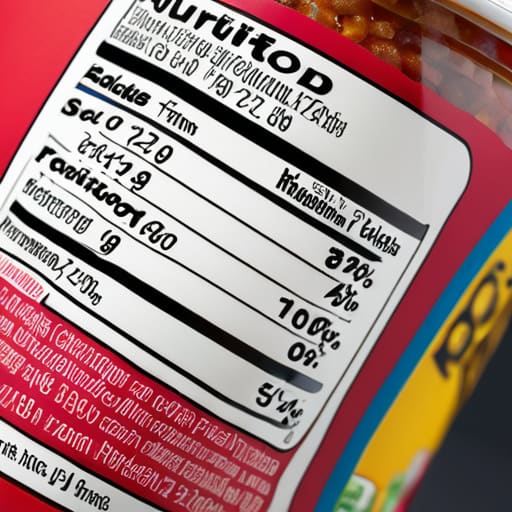
Now, if you think you’ve mastered the art of spotting those sneaky ingredients, let’s get down to the real blueprint: the nutrition label. Think of a label like a set of technical drawings for your food; if you don’t know how to read the measurements, you’re bound to run into trouble during the “build.” When you’re learning how to read nutrition labels for sugar, don’t just glance at the total grams. You really want to zoom in on the “Added Sugars” line. This is where the real culprits hide, separate from the sugars that occur naturally in things like fruit or milk.
I remember when I first started focusing on my own wellness, I was shocked at how many “healthy” granola bars were basically just dessert in disguise! To avoid these pitfalls, keep an eye out for those long, scientific-sounding names like maltodextrin or high fructose corn syrup. Mastering this skill is one of the biggest benefits of a low sugar lifestyle, because it gives you total control over what’s actually going into your body. Once you know what to look for, you’ll feel like a pro navigating the grocery aisles!
Building Your New Routine: 5 Small Projects for a Low-Sugar Lifestyle
- Swap out your sugary breakfast cereals for a “from-scratch” bowl of oats. Just like prepping a wooden surface before staining, starting with a clean, whole-grain base makes everything else in your day much more stable and satisfying!
- Get creative with your beverage station. Instead of reaching for a soda, try infusing some sparkling water with fresh berries or cucumber slices. It’s like adding a custom accent piece to a room—it adds flavor and flair without all the heavy, artificial stuff.
- Embrace the power of natural sweeteners. If you’re baking, try using mashed bananas or unsweetened applesauce to add moisture and sweetness. Think of it as using a natural wood grain instead of a heavy paint; it’s beautiful, authentic, and much better for you.
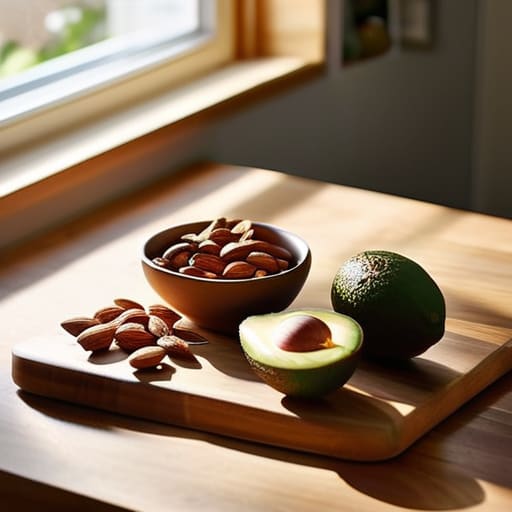
- Keep a “snack toolkit” handy to avoid those mid-afternoon sugar crashes. Keep some raw almonds, Greek yogurt, or even some sliced bell peppers in your bag. Having the right tools ready prevents you from making a “quick fix” choice that you’ll regret later.
- Reclaim your pantry by cooking more at home. When you prepare your own meals, you are the lead designer of every ingredient. You get to decide exactly how much sweetness goes into your sauces and dressings, ensuring your “home base” is always healthy and balanced.
My Top Tips for Building a Low-Sugar Lifestyle
Think of sugar reduction like a home renovation—don’t try to tear everything down at once! Start by swapping out one sugary snack or drink a day to avoid feeling overwhelmed.
Keep your “toolbox” stocked with whole, single-ingredient foods; when you cook from scratch, you’re the master architect of exactly what goes into your body.
Be patient with yourself during the process, because just like learning to use a new power tool, it takes a little practice before you feel truly confident and skilled!
Building Your New Foundation
“Think of cutting back on sugar much like tackling a major home renovation: you can’t just rip everything out overnight without a plan, but by swapping out those hidden, ‘low-quality’ ingredients for real, whole foods, you’re essentially refinishing your internal foundation for a much more vibrant life.”
Emily Carter
Building Your New Foundation
Taking control of your sugar intake isn’t about a total, overnight overhaul; it’s more like a slow, steady home renovation. We’ve learned how to peek behind the curtain of processed foods to find those sneaky hidden sugars and, most importantly, how to master the art of reading nutrition labels like a pro. By swapping out the highly refined stuff for whole, real ingredients, you’re essentially clearing out the clutter in your pantry. It might feel a little overwhelming at first, but just like when I first picked up a sander to refinish a vintage dresser, the key is to take it one layer at a time until you see that beautiful, clean finish underneath.
I know that changing long-standing habits can feel a bit daunting, but I promise you, the effort is so worth it. Think of this journey as a creative project for your well-being. There will be days when you slip up, and that’s okay—even the best DIY projects need a little mid-process adjustment! Don’t let a small setback stop your progress. Just grab your tools, refocus, and keep building toward a version of yourself that feels vibrant and energized. You have the power to craft a healthier lifestyle that serves you beautifully for years to come. Let’s get to work!
Frequently Asked Questions
I'm struggling with those afternoon energy crashes; are there any specific snacks I can DIY to keep my sugar cravings at bay?
Oh, I feel you! Those afternoon crashes are the worst—it’s like trying to work with a dull saw; everything just feels much harder. Instead of reaching for those processed granola bars, let’s DIY some better fuel. I love making “energy bites” with oats, almond butter, and a dash of cinnamon. They’re super easy to batch-prep, and because you’re controlling the sweetness, you won’t get that dreaded sugar spike and crash!
If I'm cutting back on sugar, what are some natural, whole-food ways to sweeten my morning coffee or oatmeal without feeling deprived?
Think of this like swapping out synthetic paint for a beautiful, natural wood stain—it’s all about finding those authentic textures! For your morning coffee, try a dash of cinnamon or even a tiny drop of vanilla extract; they trick your brain into thinking things are sweeter than they are. For oatmeal, I love mashing in some ripe bananas or topping it with fresh berries. It’s all about building those layers of natural flavor!
How do I handle social situations, like dinner parties or brunch, where it feels like everything is loaded with hidden sweeteners?
Navigating a dinner party can feel a bit like walking into a room with a cluttered layout—it’s overwhelming at first! My best tip? Be the “curator” of your own plate. Don’t be afraid to ask your host about ingredients; I always frame it as being curious about a recipe rather than being “difficult.” If it’s a brunch, lean toward the protein-heavy options. Just like a good DIY project, it’s all about having a solid plan before you start!
