
I still remember the first “apartment” I ever moved into—a studio so cramped I practically had to step over my bed just to reach the kitchenette. I spent hours staring at those four narrow walls, feeling like they were closing in on me, wondering if I’d ever actually have room to breathe. Back then, I thought the only solution was a massive renovation budget or tearing down walls, but I quickly learned that’s just not true. You don’t need a sledgehammer to fix a cramped floor plan; you just need to understand a few clever design tricks for how to make a small room look bigger without losing your mind (or your savings).
I’m not here to sell you on expensive, high-end designer secrets that only work in a showroom. Instead, I want to share the real-world, hands-on techniques I’ve picked up from years of interior design and countless DIY projects in my own home. We’re going to focus on practical, achievable shifts—from lighting placement to furniture scale—that actually work. My promise to you is simple: no fluff, no hype, just honest advice to help you transform your space into somewhere that feels open, airy, and totally yours.
Table of Contents
- Mastering Color Palettes for Small Spaces With Ease
- Using Mirrors to Expand Space and Brighten Your World
- Five Clever Tricks to Open Up Your Space Without Moving a Single Wall
- Quick Wins for a Roomier Feel
- [Design with Intention, Not Just Square Footage]
- Wrapping It All Up
- Frequently Asked Questions
Mastering Color Palettes for Small Spaces With Ease
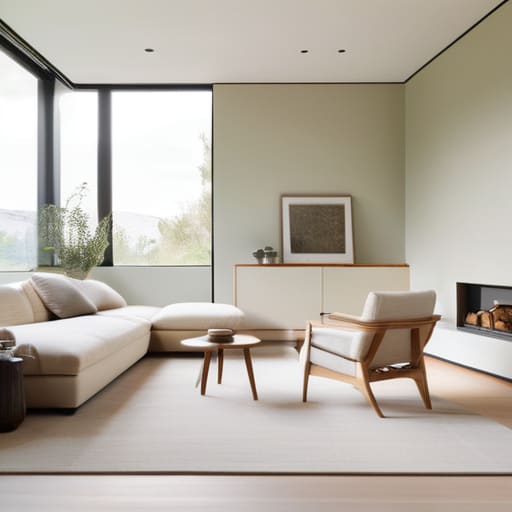
Now, let’s talk about one of my absolute favorite ways to play with perception: color! When I was working in professional interior design, I always told my clients that color isn’t just about what looks pretty; it’s a tool. To really open things up, I love leaning into light, airy color palettes for small spaces. Think soft whites, pale greys, or even a very light, washed-out sage. These tones act like a sponge for natural light, bouncing it around the room rather than absorbing it, which instantly makes the walls feel like they’re receding.
If you’re feeling a bit more adventurous, don’t be afraid of a monochromatic look! Using different shades and textures of the same color creates a seamless flow that prevents the eye from getting “stuck” on harsh transitions. This is one of those interior design tricks for tiny rooms that feels incredibly sophisticated but is actually quite simple to execute. By keeping the color story consistent from floor to ceiling, you create a sense of continuity that makes the boundaries of your room feel much less restrictive.
Using Mirrors to Expand Space and Brighten Your World
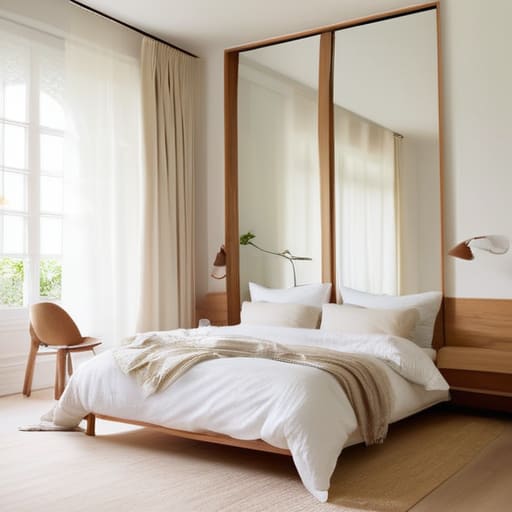
If there is one secret weapon I swear by when I’m working on a tight floor plan, it’s definitely the magic of reflection. I honestly can’t tell you how many times a well-placed mirror has completely saved a cramped room! One of my favorite interior design tricks for tiny rooms is to place a large, floor-length mirror directly opposite a window. By doing this, you aren’t just adding a decorative element; you’re actually bouncing that gorgeous natural light deep into the corners of the room. It creates this incredible illusion of depth that makes the walls feel like they’re receding, instantly making the whole area feel much more airy and open.
Don’t feel like you need one massive, expensive piece to see the benefits, either. I love playing with a gallery wall of smaller, vintage mirrors—I actually found a few beautiful brass ones at a local flea market last weekend! Mixing different shapes and textures is a fantastic way of using mirrors to expand space without making the room feel too formal or staged. Whether you go for a sleek, modern look or something a bit more bohemian, mirrors add that much-needed “breathability” to your home.
Five Clever Tricks to Open Up Your Space Without Moving a Single Wall
- Let’s talk about furniture scale—it’s a total game-changer! Instead of crowding a small room with a bunch of tiny pieces, try opting for a few larger, more intentional items. It sounds counterintuitive, I know, but too many small things can actually make a space feel cluttered and “choppy.” A single, well-placed sofa can actually make a room feel more expansive than three small chairs!
- Think vertical! When we run out of floor space, we have to look up. I love using tall bookshelves or hanging curtains way above the window frame to draw the eye toward the ceiling. It creates this beautiful illusion of height that makes even the tiniest room feel much more grand and airy.
- Don’t be afraid of “leggy” furniture. When you can see the floor extending underneath your coffee table, sofa, or sideboard, it creates a sense of continuous space. I always recommend pieces with tapered legs rather than bulky, skirted furniture that sits heavy on the ground; it keeps the visual flow moving smoothly!
- Use the power of “zones” with rugs. Instead of one giant rug that hits every wall, try using smaller, well-placed area rugs to define specific spots, like a reading nook or a workspace. This helps the room feel organized and intentional rather than just a cramped box where everything is squished together.
- Declutter like your sanity depends on it (because let’s be real, it does!). In a small space, every single item carries a lot of visual weight. I’m a big fan of the “one in, one out” rule. Keeping your surfaces relatively clear helps the eye glide across the room, making the whole area feel much more peaceful and spacious.
Quick Wins for a Roomier Feel
Keep your color palette light and airy to let the walls “recede,” making the boundaries of your room feel much further away than they actually are.
Don’t be afraid to use mirrors as your secret weapon; they act like extra windows, bouncing light around and tricking the eye into seeing much more depth.
Remember that it’s not about how much stuff you have, but how you use it—clever placement and the right tools can turn a cramped corner into a breezy, open sanctuary.
[Design with Intention, Not Just Square Footage]
“Don’t let a tiny floor plan make you feel cramped—designing a small space isn’t about squeezing everything in, it’s about being intentional with every inch and choosing pieces that let your room breathe!”
Emily Carter
Wrapping It All Up
So, there you have it! We’ve covered so much ground today, from playing with light-reflecting mirrors to picking out those perfect, airy color palettes that let a room breathe. It might feel a little overwhelming when you first look at a cramped corner or a tiny floor plan, but remember: it’s all about the small, intentional shifts. Whether you’re rearranging your existing furniture to create better flow or finally hanging that large mirror you’ve been eyeing, every little change contributes to a much larger sense of openness. Don’t feel like you have to do everything at once—just pick one project, grab your tools, and start making room for what matters.
At the end of the day, your home should be a sanctuary that feels expansive and inviting, no matter how many square feet you actually have to work with. I know that stepping into a DIY project can feel a bit daunting, but I promise you, the feeling of looking around a room that you’ve personally transformed is absolutely worth the effort. You have the vision and the capability to turn even the tiniest nook into something spectacular. So, take a deep breath, trust your instincts, and let’s build something amazing together! I can’t wait to see how your space evolves.
Frequently Asked Questions
What kind of furniture should I look for if I want to keep my small living room from feeling cluttered?
When it comes to furniture, think “leggy” and “multi-functional”! Instead of heavy, bulky sofas that sit right on the floor, look for pieces with tapered legs—seeing that extra floor space underneath trick the eye into thinking the room is way larger. I’m also a huge fan of nesting tables or an ottoman with hidden storage. It’s all about choosing pieces that work double duty so we can keep the clutter at bay!
I love cozy vibes, but is there a way to use dark colors without making my room feel like a tiny cave?
Oh, I totally hear you! I’m a huge fan of those moody, cozy vibes too. You can absolutely rock dark colors without feeling trapped! The secret is all about contrast and light. Try pairing a deep navy or charcoal with lighter accents, like creamy textiles or metallic hardware, to keep things breathing. Also, don’t forget your lighting—layering lamps and sconces prevents those dark corners from feeling heavy. Let’s make that “cave” feel like a sanctuary instead!
Should I go with big, statement rugs or several smaller ones to help the floor space feel more expansive?
Oh, I get this question all the time! It’s tempting to layer those cute little rugs, but if you want to actually trick the eye into seeing more floor, go with one big, statement rug. When you use lots of small rugs, you end up “chopping up” the floor, which makes the room feel cluttered and tiny. A single large rug anchors the space and creates a continuous flow that makes everything feel so much more expansive!
