
I still remember the smell of my dad’s old hardware store—sawdust, oil, and a hint of cedar—and how he used to say that if you don’t respect your tools, they won’t respect your work. I’ve realized lately that our kitchens are no different. There is nothing more frustrating than opening your pantry only to find a bag of flour that’s gone gummy or a handful of wilted herbs that should have lasted a week. We’ve been told that knowing how to store food properly requires a massive investment in fancy, color-coded gadgetry or high-tech vacuum sealers, but honestly? That is total nonsense. You don’t need a designer kitchen to keep your ingredients fresh; you just need a little bit of strategy and the right approach.
I’m not here to sell you on some expensive, aesthetic-only container system that ends up cluttering your cabinets. Instead, I want to share the practical, hands-on methods I’ve learned from years of tinkering in my own kitchen and watching how real ingredients behave. I promise to give you a straightforward, no-nonsense guide to mastering your pantry and fridge. We’re going to focus on simple, effective habits that actually work, so you can stop wasting money and start feeling totally confident in your kitchen.
Table of Contents
Unlocking the Magic of Pantry Organization Tips
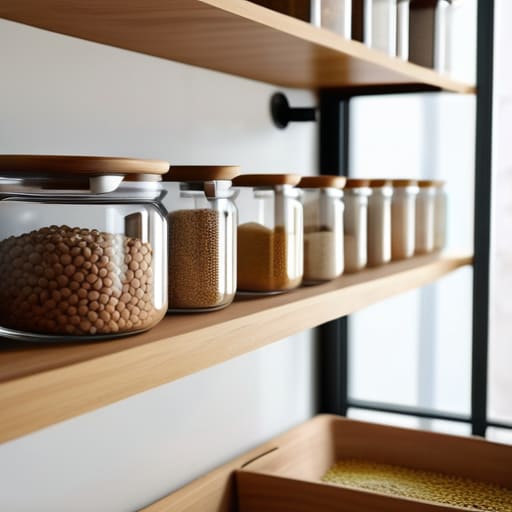
Think of your pantry like a well-organized workshop; when every tool has its place, you can actually focus on the craft at hand rather than hunting through clutter. I’ve found that implementing a few smart pantry organization tips can completely change how you cook. Instead of digging through half-open bags of flour or mysterious cans, I love using clear, uniform bins. One of the biggest airtight container benefits I’ve experienced is how much longer my grains and pasta stay fresh and crisp. It’s not just about looking pretty for a photo—it’s about creating a system that works for your daily rhythm.
Beyond just the aesthetics, proper organization is your first line of defense in preventing food spoilage. When you can see exactly what you have, you stop buying duplicates and start using things before they expire. I always suggest grouping items by “zones”—think baking supplies in one area and snack staples in another. This little bit of intentionality helps you respect the shelf life of groceries and keeps your kitchen running like a well-oiled machine. Let’s get those shelves sorted!
The Secret to Long Lasting Shelf Life of Groceries
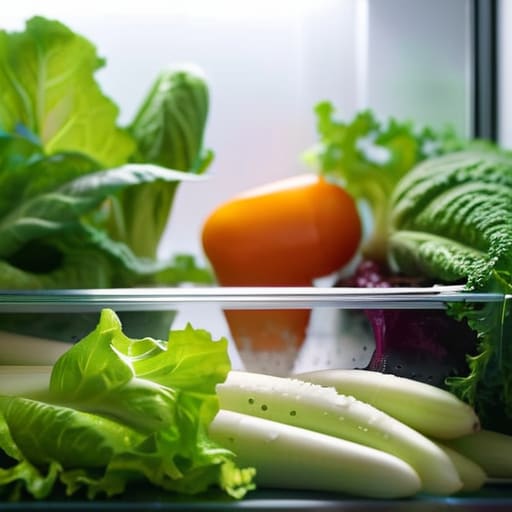
If there is one thing I learned growing up in my family’s hardware store, it’s that the right environment makes all the difference for how things last. When it comes to your kitchen, that means paying close attention to the “climate” of your storage spaces. For instance, I always tell my readers that preventing food spoilage starts with being mindful of your fridge’s environment. You’ll want to double-check your refrigerator temperature settings regularly; if it’s too warm, your fresh produce will wilt before you even get a chance to use it!
Once you’ve mastered the temperature, it’s time to look at how you actually house your items. This is where I get really excited about the airtight container benefits. Moving your dry goods from those flimsy, half-open cardboard boxes into glass jars doesn’t just look beautiful on a shelf—it’s a total game-changer for extending the shelf life of groceries. It keeps moisture out and freshness in, which is essentially the secret sauce to a more efficient, less wasteful kitchen. It’s all about creating a little sanctuary for your ingredients!
My Top 5 Golden Rules for a Fresh and Functional Kitchen
- Think of your fridge like a well-organized workshop; keep your perishables in the coldest zones, like the lower shelves, to make sure nothing wilts or spoils before you’re ready to use it!
- Don’t be afraid to get a little creative with airtight containers—just like choosing the right toolbox for a project, the right jar keeps your dry goods crisp and prevents those pesky pantry pests from moving in.
- I always say, “First in, first out!” Just like I organize my vintage hardware collection, rotating your groceries so the older items are at the front helps you use everything before it loses its spark.
- Give your veggies some breathing room; tucking them into tight plastic bags can actually make them go soft faster, so try using breathable mesh bags or even just a loose drawer setup to keep them snappy.
- Master the art of the “prep-ahead” freeze—if you know you won’t get to that batch of herbs or leftover sauce this week, pop them in a freezer bag now so you’ve got a ready-to-go ingredient for your next kitchen adventure!
My Top Tips for a Stress-Free, Fresh Kitchen
Treat your pantry like a well-organized workshop—use clear containers and labels so you always know exactly what tools (or ingredients!) you have on hand.
Don’t underestimate the power of temperature; keeping your perishables in the right zones is just like choosing the right finish for a piece of furniture—it makes all the difference in the final result.
Practice a little “first-in, first-out” discipline to keep things fresh and prevent that dreaded waste, making your kitchen run as smoothly as a freshly sanded tabletop.
## A Little Care Goes a Long Way
“Think of your kitchen like any other workshop; when you treat your ingredients with the same respect and organization you’d give your favorite tools, you aren’t just preventing waste—you’re building a foundation for every delicious thing you’ll create next!”
Emily Carter
Putting It All Together
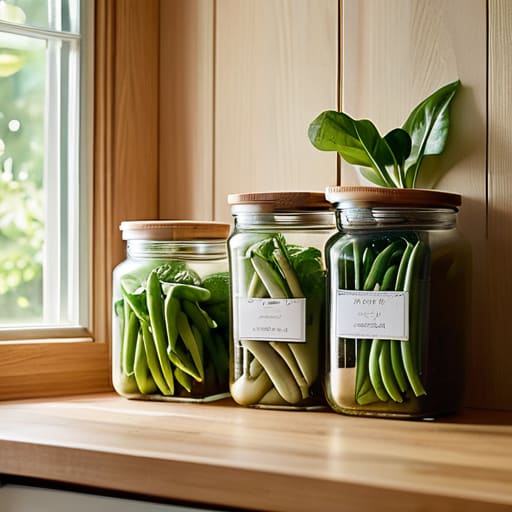
At the end of the day, mastering food storage is a lot like tackling a big furniture restoration project—it’s all about the preparation and the right tools. We’ve covered how a well-organized pantry can change your entire kitchen workflow, and we’ve explored the science behind keeping your groceries fresh for as long as possible. By choosing the right airtight containers, respecting temperature zones in your fridge, and being intentional about how you rotate your stock, you aren’t just saving money; you are building a more efficient and sustainable home. Remember, even the smallest change, like moving your herbs to a little water jar, can make a massive difference in your daily life.
I know that sometimes looking at a disorganized fridge or a messy pantry can feel a little overwhelming, but please don’t let that stop you from starting. Just like when I first picked up a sander to refinish an old oak table, the first step is always the hardest, but the sense of accomplishment afterward is so worth it! Take it one shelf at a time, be patient with yourself, and enjoy the process of turning your kitchen into a space that truly works for you. You have the power to transform your everyday habits, and I can’t wait to see how you make your space your own. Let’s keep creating!
Frequently Asked Questions
I have so many mismatched containers from thrift stores—is it actually worth investing in a matching set for better organization?
Oh, I feel this one in my soul! Growing up in my family’s hardware store, I learned that tools don’t have to be pretty to work, but in a kitchen? It’s a different story. Honestly, don’t feel pressured to buy a massive, expensive set. I love my thrifted mismatched finds, but if the chaos is stressing you out, try a “hybrid” approach. Pick one style of lid or a consistent color palette to tie your eclectic collection together!
How do I know if a certain fruit or veggie should stay on the counter or go straight into the fridge to keep it fresh?
Think of your kitchen like a workshop—you wouldn’t store your fine wood in a damp basement, right? It’s the same with produce! A good rule of thumb: if it’s a “climacteric” fruit like bananas, avocados, or tomatoes, let them ripen on the counter first. But once they hit that perfect peak, move them to the fridge to lock in that freshness. If it’s leafy or delicate, skip the counter and head straight for the crisper!
What are your favorite DIY hacks for keeping my pantry looking pretty without spending a fortune on fancy bins?
Oh, I love this question! Honestly, you don’t need those pricey, boutique containers to get that “Pinterest-perfect” look. My favorite hack is upcycling glass jars—think old pasta sauce or jam jars. Just soak off the labels, and you’ve got beautiful, uniform vessels for grains and spices! I also swear by using inexpensive wicker baskets from the thrift store to hide messy snack bags. It adds so much warmth and texture without breaking the bank!
