
I still remember standing in my dad’s hardware store back in Ohio, watching him tackle a stubborn piece of timber with nothing but a worn-out mallet and pure grit. He always taught me that you don’t need the fanciest tools to get a job done right; you just need to understand your materials. For some reason, people treat the kitchen like a high-stakes laboratory when it comes to seafood, acting like you need a culinary degree just to figure out how to cook fish without turning it into a rubbery, overcooked mess. Honestly, the idea that you need expensive thermometers and specialized gadgets to achieve a perfect sear is just total nonsense that keeps so many talented people from even trying.
I’m here to strip away all that unnecessary intimidation and get down to the real, hands-on basics. My goal isn’t to give you a lecture, but to share the practical, tried-and-true methods I’ve picked up from years of experimenting in my own kitchen. We’re going to focus on texture, timing, and building your confidence one delicious bite at a time. Let’s roll up our sleeves and master the basics together!
Table of Contents
Choosing Your Canvas Fresh vs Frozen Fish for Cooking
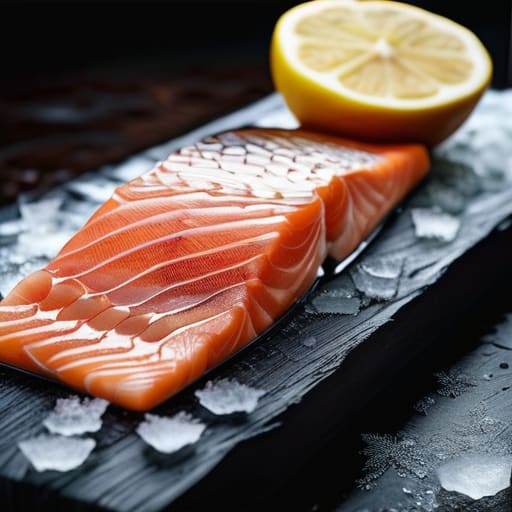
Now, before we even pick up a spatula, we need to talk about your “canvas.” Just like when I’m deciding between a reclaimed oak slab or a piece of sleek, modern plywood for a furniture project, the material you start with changes everything. When it comes to fresh vs frozen fish for cooking, there’s a lot of debate, but I want to ease your mind right away: both can be absolutely delicious if you treat them with respect!
If you’re heading to your local fishmonger, look for clear eyes and a bright, briny scent—that’s the hallmark of a great catch. Fresh fish is wonderful for quick, delicate preparations where you want the natural flavor to shine. However, don’t sleep on the freezer aisle! High-quality frozen fillets are often flash-frozen at sea, which locks in all that goodness. In fact, for beginners, frozen can actually be a bit more forgiving and consistent to work with. Just make sure you thaw it completely in the fridge before you start, otherwise, you’ll run into some moisture issues that can make your pan a bit of a mess!
Mastering Flavor Learning How to Season Seafood Beautifully
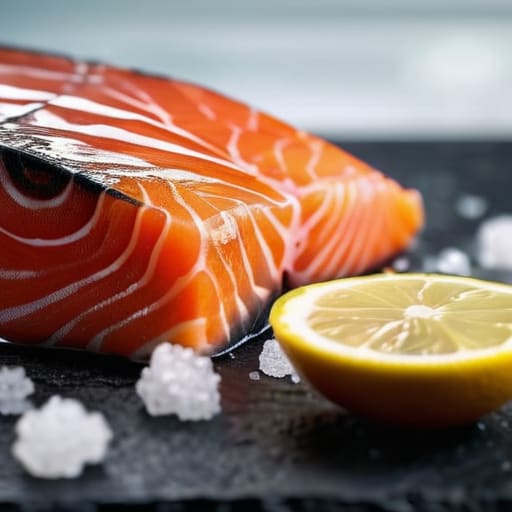
Now, let’s get to the fun part—the flavors! If there is one thing I learned growing up around my dad’s hardware store, it’s that the right tools make the job easier, but the right prep makes the result truly beautiful. When it comes to how to season seafood, I always tell my readers to start with simplicity. You don’t need a pantry full of exotic spices to make a masterpiece; often, a generous sprinkle of flaky sea salt and a squeeze of fresh lemon is all you need to let the natural sweetness of the fillet shine.
As you start experimenting with different spices, remember that heat behaves differently depending on the fat content of your choice. I love using a rub of smoked paprika and garlic powder for a bit of a rustic, farmhouse feel, but always be mindful of your pan temperature. A common mistake I see is rushing the process, which can lead to frustration. To ensure a perfect finish, focus on preventing fish from sticking to the pan by making sure your surface is hot and lightly oiled before the fillet even touches the heat. Trust your instincts, and most importantly, trust your palate!
My Secret Sauce: 5 Pro Tips to Help You Cook Like a Pro
- Trust your senses over the timer! I know it’s tempting to stare at the clock, but fish can go from perfect to overcooked in a heartbeat. Instead, use a fork to gently flake the thickest part—if it separates easily without being mushy, it’s ready for the plate!
- Get that pan nice and hot before the fish even touches it. Just like when I’m prepping a piece of vintage furniture and need the perfect primer, you need a solid foundation. A hot pan ensures you get that gorgeous, crispy skin we all crave.
- Don’t be afraid of a little fat! Whether it’s a drizzle of olive oil or a pat of butter, a little richness helps conduct the heat evenly and keeps the delicate proteins from sticking to your pan.
- Pat that fish dry, I promise it matters! If your fillets are damp when they hit the pan, they’ll steam instead of sear. Take a paper towel and give them a good once-over so you get that beautiful golden crust.
- Give your fish a moment to rest. I know, waiting is the hardest part when it smells that good, but letting it sit for just a minute or two helps the juices redistribute so every single bite is tender and delicious.
Quick Tips for Your Seafood Success
Don’t let the “fresh vs. frozen” debate stress you out; whether you’re picking up a fillet at the local market or grabbing a bag from the freezer, the key is starting with quality you trust!
Think of seasoning like designing a room—you want a beautiful balance of flavors that highlights the natural beauty of the fish rather than masking it entirely.
Remember, cooking is all about patience and practice, so don’t be afraid to make a few mistakes along the way; every little slip-up is just a stepping stone to becoming a kitchen pro!
Finding Your Flow at the Stove
“Think of cooking fish much like restoring an old piece of furniture; you have to respect the natural grain of the ingredient and work with it, rather than against it, to truly let its beauty shine through.”
Emily Carter
You've Got This: From Prep to Plate
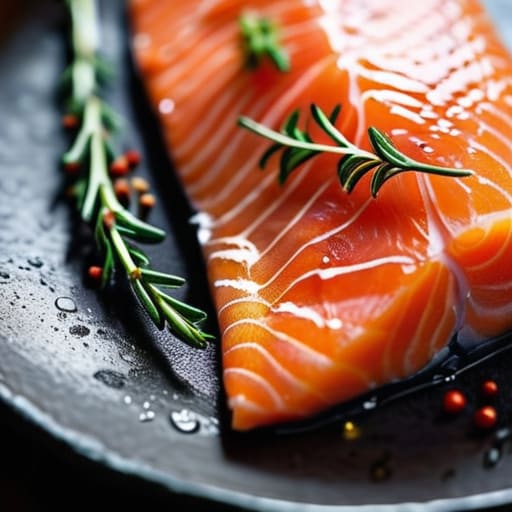
I know that stepping into the kitchen to tackle seafood can feel a little bit daunting at first, but look how much you’ve already learned! We’ve walked through how to pick out the very best ingredients, whether you’re grabbing something fresh from the market or reaching for a high-quality frozen fillet, and we explored how to layer those seasonings to really make the flavors pop. Remember, it’s all about the foundation; once you understand the basics of your ingredients, the actual cooking process becomes so much more intuitive. Don’t be afraid to trust your instincts when it comes to those spices—that’s where your own unique culinary style really starts to shine through.
At the end of the day, I want you to remember that cooking is a lot like any other DIY project I do around the house: it’s all about practice and patience. You might not nail the perfect sear on your very first try, and honestly, that is totally okay! Every little mistake is just another way to learn and refine your skills for the next time you pick up your spatula. I truly believe that anyone can master this, and I can’t wait for you to experience that incredible sense of pride when you sit down to enjoy a meal you created entirely with your own hands. Now, let’s get cooking!
Frequently Asked Questions
I'm always a little nervous about overcooking—how can I tell if my fish is perfectly done without it getting all dry and rubbery?
Oh, I completely hear you! I used to be so intimidated by fish, too. Honestly, the best way to avoid that rubbery texture is to trust your senses rather than just the timer. Grab a fork and gently flake the thickest part; if it separates easily and looks opaque in the center, you’re golden! I also love using a meat thermometer—aiming for about 145°F is a total game-changer for confidence. You’ve got this!
Since I'm just starting out, do I really need all those fancy kitchen gadgets, or can I get great results with just a basic pan?
Oh, I hear you! Honestly, coming from a background of tinkering with tools, I’m a huge believer in using what you have rather than buying every gadget on the shelf. You absolutely do not need a kitchen full of bells and whistles to make delicious fish. A reliable, decent-quality pan is your best friend here. Once you master the heat and your timing, that basic pan will do all the heavy lifting!
What are your favorite go-to seasonings for when I want something quick and easy on a weeknight?
Oh, I totally get those “it’s been a long day” vibes! When I’m rushing to get dinner on the table, I lean on my trusty pantry staples. You can’t go wrong with a simple lemon-pepper rub or just a generous sprinkle of garlic powder, smoked paprika, and dried parsley. It’s like a quick coat of paint for your meal—it transforms everything instantly without any extra fuss!
