
I remember standing in my dad’s hardware store back in Ohio, watching him carefully sand down a rough piece of oak. He always said you can’t rush the grain if you want a finish that lasts. Lately, it feels like the whole world is trying to sell us some “get rich quick” scheme or a complex stock market hack that requires a PhD to understand. It’s exhausting, right? Everyone makes it sound so flashy and immediate, but honestly, learning how to build wealth slowly is much more like restoring a vintage mid-century dresser than winning the lottery. You don’t just slap on a coat of paint and call it a day; you have to prep the surface, sand through the old layers, and put in the steady work before you see that beautiful glow.
I’m not here to give you a bunch of complicated financial jargon or promises of overnight success. Instead, I want to share the practical, step-by-step approach I’ve used to stabilize my own life after leaving the design world. We’re going to talk about intentional habits and small, manageable shifts that actually stick. My goal is to give you a blueprint that is as sturdy and reliable as a well-built farmhouse. Let’s stop chasing the hype and start building something truly lasting together.
Table of Contents
- The Patient Art of Frugal Living for Wealth
- Understanding Compound Interest Explained for Your Future
- My Toolkit for Building a Solid Financial Foundation
- My Little Blueprint for Long-Term Success
- ## The Masterpiece is in the Details
- Building Your Foundation, One Piece at a Time
- Frequently Asked Questions
The Patient Art of Frugal Living for Wealth

Now, I know what you’re thinking—frugal living sounds a little bit like living in a dusty, unfinished workshop with no heating. But honestly? It’s more like choosing high-quality materials over cheap, flimsy ones. When I was restoring that mid-century sideboard last summer, I realized that cutting corners on the finish only leads to heartache later. Building wealth is exactly the same. Frugal living for wealth isn’t about deprivation; it’s about being intentional with your resources so you have more to invest in your future “big projects.”
Think of your budget as your blueprint. Every time you decide to skip a trendy, overpriced home decor haul and instead tuck that extra cash into a savings account, you’re practicing delayed gratification finance. It might feel a little bit boring in the moment, but you’re actually setting the foundation for something much sturdier. By keeping your daily expenses lean, you’re essentially clearing the workspace to make room for more meaningful growth. It’s all about making sure your money is working just as hard as you are, one small, deliberate choice at a time.
Understanding Compound Interest Explained for Your Future
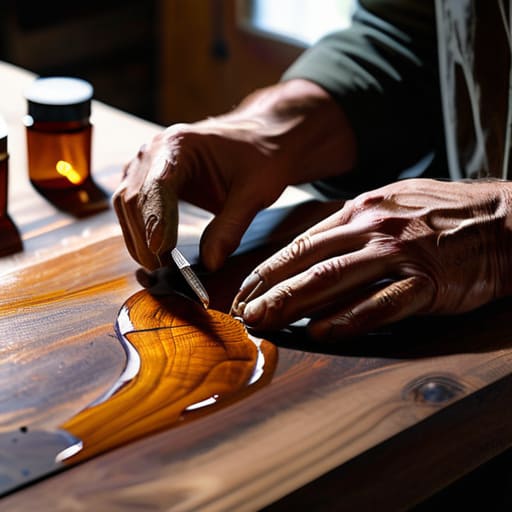
Think of compound interest like a fine woodworking project where you’re layering thin coats of varnish. At first, it seems like nothing is happening; you’re just applying layer after layer, and the change is almost invisible. But if you keep going, those layers build upon one another, creating a deep, rich finish that you couldn’t achieve in a single pass. That is exactly how compound interest explained works in your bank account. It’s not just about the money you put in, but the interest you earn on your interest. It’s a snowball effect that starts small but becomes an unstoppable force over time.
This is where the concept of delayed gratification becomes your best friend. Just like I wouldn’t rush a furniture restoration by skipping the sanding phase, you shouldn’t rush your financial growth. By letting your earnings sit and multiply, you are essentially letting time do the heavy lifting for you. It might feel slow in the beginning—honestly, it can feel a little tedious—but watching that momentum build is one of the most rewarding parts of the entire process.
My Toolkit for Building a Solid Financial Foundation
- Treat your budget like a blueprint. Just like I wouldn’t start a kitchen remodel without a detailed floor plan, you shouldn’t tackle your finances without knowing exactly where every dollar is going. Mapping out your spending helps you see the “structural flaws” in your habits before they become big, expensive problems.
- Automate your savings, just like a well-oiled machine. I’m a huge fan of setting things up so they run in the background. By scheduling automatic transfers to your savings or investment accounts, you’re ensuring your wealth grows steadily without you having to remember to pick up the hammer every single month.
- Diversify your “materials.” In interior design, you wouldn’t build an entire room out of just one type of wood; it lacks character and stability. The same goes for your money! Spreading your investments across different areas helps protect you if one particular sector hits a rough patch.
- Avoid the “shiny object” syndrome. It’s so easy to get distracted by the latest trendy gadget or a high-end decor piece that looks amazing in a showroom, but those impulse buys can really chip away at your long-term goals. Always ask yourself if that purchase is a necessity or just a temporary distraction from the bigger picture.
- Invest in your own skill set. The best tool in my workshop isn’t a fancy power saw—it’s my knowledge. Learning more about how markets work or even picking up a new side hustle is one of the best ways to increase your earning potential. Think of it as upgrading your toolkit so you can take on much bigger, more rewarding projects down the road.
My Little Blueprint for Long-Term Success
Think of your finances like a DIY project; you don’t need a massive budget to start, just a solid plan and the willingness to work on it bit by bit every single day.
Don’t get discouraged by slow progress, because just like sanding down an old piece of furniture, the most beautiful results come from the steady, repetitive work that happens behind the scenes.
Consistency is your best tool in the box—small, intentional choices made today are the foundation that will support the life you want to build tomorrow.
## The Masterpiece is in the Details
“Building wealth isn’t about that one massive, overnight renovation; it’s more like restoring a beautiful vintage dresser. You don’t just slap on a coat of paint and call it a day—you sand down the rough edges, apply the primer carefully, and layer your progress one steady, patient step at a time until you have something truly solid to stand on.”
Emily Carter
Building Your Foundation, One Piece at a Time
As we’ve walked through this together, I hope you can see that building wealth isn’t some mysterious, overnight magic trick. It’s much more like restoring a beautiful, weathered vintage dresser I found at a flea market last month. You can’t just slap a coat of paint on it and expect it to last a lifetime; you have to sand down the rough edges, understand the wood beneath, and apply your efforts with steady, intentional layers. By embracing a bit of frugality and letting the incredible power of compound interest do the heavy lifting in the background, you are essentially laying down a solid, structural foundation. It might feel slow right now, but remember that consistency is your most valuable tool in this entire process.
I know that looking at the long road ahead can sometimes feel a little overwhelming, much like staring at a massive, empty room before the first blueprint is even drawn. But please, don’t let the scale of the project discourage you. You don’t have to master everything by tomorrow morning; you just have to show up and do the work today. Whether you’re saving your first hundred dollars or automating your investments, every single small choice is a meaningful stitch in the fabric of your future security. I truly believe that you have everything you need to create a life that feels as beautiful as it looks. Now, let’s get out there and start building something amazing together!
Frequently Asked Questions
I know frugality is a great starting point, but how do I find the balance between saving money and actually enjoying my life right now?
That is such a great question, and honestly, it’s something I struggle with too! Think of it like restoring a vintage dresser: if you spend all your time sanding and never actually enjoy the beautiful finish, you’ve missed the point. You don’t want to live a life of total deprivation. Instead, try “intentional spending.” Focus your budget on the things that truly spark joy—like a great cup of coffee or a weekend hike—while cutting back on the mindless stuff.
When it comes to compound interest, how much of a difference does it actually make if I start with just a tiny amount every month?
Honestly, it makes a massive difference! Think of it like starting a massive DIY renovation—you wouldn’t wait until you had a whole warehouse of lumber to start sawing, right? Even if you’re just tucking away the cost of a few lattes a month, you’re building that foundation. Those tiny, consistent “splinters” of savings eventually grow into a sturdy, beautiful structure thanks to time. The magic isn’t in the size of the first piece; it’s in starting today.
Is there a specific "blueprint" or order I should follow for where to put my extra savings first, like high-yield accounts versus investing?
Think of your finances like a home renovation: you wouldn’t pick out fancy backsplash tiles before you’ve even poured the foundation! First, build that “safety net” by tucking extra cash into a high-yield savings account for emergencies. Once your foundation is solid, you can start “decorating” with investments like index funds. It’s all about following a sequence that keeps your structure sturdy while you build toward those bigger, beautiful goals.
