
I still remember being a kid in my family’s hardware store in Ohio, watching my dad tackle massive renovation projects with nothing but a worn-out hammer and a “get it done” attitude. He always taught me that you don’t need the most expensive tools to build something beautiful; you just need to understand the fundamentals. Honestly, I feel the same way about cooking. I am so tired of seeing those overly polished, “aesthetic” cooking videos claiming you need artisanal, imported water or some high-tech gadget to master your kitchen. Learning how to cook pasta perfectly shouldn’t feel like a chemistry experiment or a luxury lifestyle choice; it should be something you can do confidently with the tools you already have in your pantry.
I’m not here to give you a lecture or a list of complicated, unnecessary steps that leave you more stressed than when you started. Instead, I’m going to share the real-world, hands-on methods I’ve refined through years of trial, error, and plenty of delicious (and occasionally mushy) mistakes. We are going to strip away the hype and focus on the practical basics that actually work. By the time we’re done, you’ll have the skills to turn a simple box of noodles into a masterpiece of texture and flavor every single time. Let’s get to work!
Table of Contents
The Magic of Boiling Water for Pasta and Salt
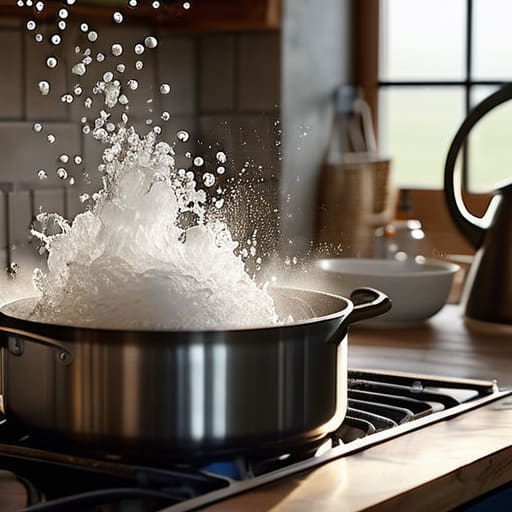
Now, let’s talk about the foundation of everything: the pot and the water. Growing up in my dad’s hardware store, I learned that you can’t build a sturdy house on a weak foundation, and the same goes for your dinner! When it comes to boiling water for pasta, you want to go big. Don’t be stingy with the pot; your noodles need plenty of room to dance around so they don’t clump together into a sad, gummy mess.
Once that water is at a rolling boil, it’s time for the most important step: the salt. I like to tell my friends that the water should taste like the sea. This is the only chance you have to season the pasta from the inside out, which is a total game-changer for achieving that perfect al dente bite. If you skip this, your pasta might look great, but it’ll taste a little flat. Plus, a little extra salt helps manage the pasta starch importance by keeping things moving smoothly in the pot. Trust me, your taste buds will thank you!
Salting Pasta Water Correctly for Deep Flavor
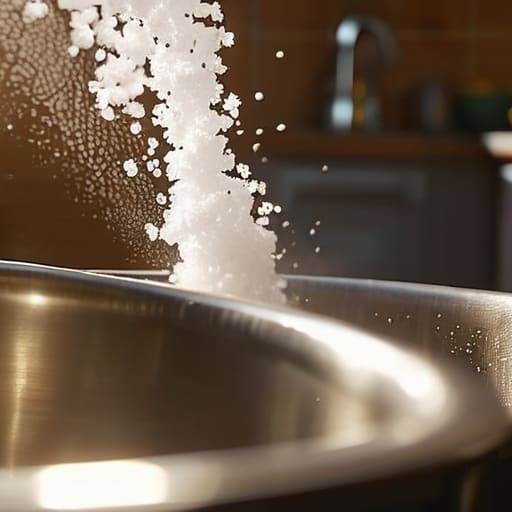
Now, let’s talk about the secret ingredient that most people underestimate: salt. Think of it like the primer before you paint a piece of vintage furniture—it sets the foundation for everything that follows. If you aren’t salting pasta water correctly, you’re essentially missing a massive opportunity to season the noodle from the inside out. I always tell my friends that the water should taste like a gentle summer breeze off the ocean. If it’s bland, your pasta will taste bland, no matter how much incredible sauce you pour over it later!
Don’t be shy with the shaker, either! You want enough salt to penetrate that dense starch, but you don’t want to turn your pot into a brine solution. A good rule of thumb is about a tablespoon per quart of water. This isn’t just about flavor, though; it actually plays a role in pasta texture tips that I swear by. Proper seasoning helps the grains hold their shape, which is essential for how to achieve al dente perfection every single time. Trust me, your taste buds will thank you!
My Secret Weapons for That Perfect Al Dente Bite
- Don’t fear the starch! Whatever you do, please don’t rinse your pasta after draining. That lovely, starchy water is basically liquid gold—it helps your sauce cling to every single noodle instead of sliding right off to the bottom of the bowl.
- Keep a “pasta water mug” handy. Before you drain that pot, scoop out a cup of that cloudy, salty water. If your sauce looks a little too thick or isn’t playing nice with the noodles, a splash of this magic liquid will smooth everything out beautifully.
- Give your noodles some breathing room. If you’re working with long strands like spaghetti, make sure you’ve got a big enough pot so they don’t clump together into one giant, sad knot. I always say, more water equals more freedom for the pasta!
- Start tasting early. Every brand of pasta is a little different, and your stove might run hotter than mine. Start testing for that perfect “al dente” texture about two minutes before the box says it’ll be done. You want a tiny bit of resistance in the center, not mush!
- Finish the job in the pan. Instead of just dumping sauce on top of plain noodles, try tossing your pasta directly into your simmering sauce for the last minute of cooking. It allows the flavors to really marry together, just like a well-restored piece of furniture!
Quick Tips for Your Best Pasta Night Ever
Trust your senses over the timer—start tasting your pasta a minute or two before the box says it’s done to catch that perfect al dente bite!
Save a little splash of that starchy, salty pasta water before you drain it; it’s like liquid gold for making your sauce cling perfectly to every noodle.
Don’t be afraid to stir those noodles early and often in the pot to keep them from sticking together and losing that beautiful texture we’re aiming for.
## Finding the Rhythm in the Kitchen
“Cooking the perfect pasta is a lot like restoring a vintage piece of furniture; you can’t rush the process, you have to respect the materials, and most importantly, you have to trust your own hands to find that sweet spot where everything just clicks.”
Emily Carter
Bringing It All Together at the Table
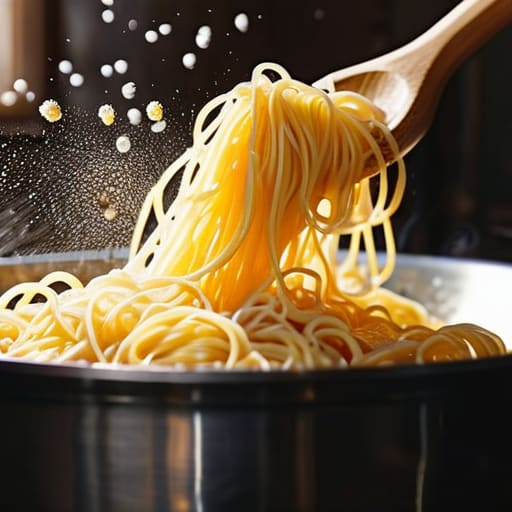
So, there you have it! We’ve covered everything from getting that water to a rolling, energetic boil to making sure you aren’t shy with the salt. Remember, the secret isn’t just in the timing, but in that crucial connection between the seasoned water and the pasta itself. By mastering these little details—like testing for that perfect al dente bite and ensuring your salt levels are just right—you’re moving far beyond just boiling noodles. You’re actually building a foundation of flavor that will make every single meal feel like it came straight from a professional kitchen.
At the end of the day, cooking is a lot like my favorite furniture restoration projects; it’s all about the process, the patience, and the willingness to get a little messy to achieve something beautiful. Don’t get discouraged if your first batch isn’t absolutely flawless—even I have a few “oops” moments in my kitchen! Just keep experimenting, trust your instincts, and most importantly, enjoy the journey. Once you realize that you have the power to transform simple ingredients into something spectacular, you’ll never look at a box of pasta the same way again. Now, grab a bowl and let’s eat something amazing!
Frequently Asked Questions
Should I toss my pasta in a little bit of oil after draining so it doesn't all stick together in a big clump?
Oh, I get asked this all the time! Honestly? My professional advice is to skip the oil. I know it seems like a quick fix to prevent those dreaded clumps, but oil actually creates a slick barrier that makes it super hard for your delicious sauce to cling to the noodles. Instead, try tossing your pasta straight into the sauce while it’s still hot—that little bit of leftover starch is your best friend for getting that perfect, silky coating!
Is it actually better to rinse my pasta with cold water after cooking, or does that just wash away all that delicious starch?
Oh, I get asked this all the time! Honestly? Unless you’re making a cold pasta salad, please—don’t rinse that pasta! That starchy goodness clinging to the noodles is actually your best friend; it acts like a delicious little glue that helps your sauce stick to every single bite. If you rinse it, you’re basically washing away all that hard work we put into the cooking process. Let’s keep that flavor right where it belongs!
How can I tell if my pasta is truly al dente without just overcooking it by accident?
The best way to avoid that mushy “oops” moment is to start tasting your pasta about two minutes before the box says it’s done. Grab a single noodle with a fork, let it cool for a second, and bite into it. You’re looking for a tiny, firm white dot right in the center—that’s the sign of perfect al dente! It should have a little “tooth” to it, not be soft all the way through.
