
You’re sitting on the couch, trying to enjoy a quiet evening, when you hear it: that relentless, ghostly hiss coming from the bathroom. It’s enough to drive anyone a little bit crazy, right? Most people think that sound means they’re staring down a massive, expensive plumbing bill or that they need to call in a professional immediately. But here is the truth I learned growing up in my family’s hardware store: a noisy bathroom doesn’t have to mean a broken house. More often than not, learning how to fix a running toilet is actually a much simpler, much more rewarding project than you might think.
I promise you, we aren’t going to get bogged down in complicated jargon or high-stress repairs here. Instead, I’m going to walk you through this step-by-step, just like I would if we were tackling a furniture restoration project together. We’ll identify the culprit—whether it’s a faulty flapper or a misaligned float—and get that silence restored to your home. By the end of this guide, you’ll have the confidence to handle it yourself and the peace of mind that comes with a job well done. Let’s get to work!
Table of Contents
- Step-by-Step Instructions
- Mastering Silent Toilet Leak Detection and Tank Components
- Solving the Mystery of Flush Valve Troubleshooting
- My Pro-Tips for Keeping Your Bathroom Quiet and Efficient
- Quick Wins for a Quiet, Efficient Bathroom
- A Little Encouragement for Your Next Project
- You've Got This: Reclaiming Your Bathroom Peace
- Frequently Asked Questions
Guide Overview
Tools & Supplies
- Adjustable wrench for tightening bolts
- Screwdriver for securing components
- Sponge or towel for absorbing excess water
- Replacement flapper (1 unit)
- Replacement fill valve (1 unit)
- Replacement flapper chain (1 unit)
Step-by-Step Instructions
- 1. First things first, we need to see what we’re actually dealing with, so let’s pop the lid off the tank. Just lift it straight up and set it carefully on a towel on the floor—I know, it feels a bit intimidating since it’s heavy ceramic, but I promise it’s totally manageable. Once that lid is off, take a good look at the water level and listen for any unusual sounds.
- 2. Next, let’s check the most common culprit: the flapper. This is that little rubber plug at the bottom of the tank, and if it’s worn out or even just a bit misaligned, water will constantly leak into the bowl. Reach in there (don’t worry, the water is clean!) and see if it’s sitting flat against the flush valve. If it looks crusty or warped, it might be time to grab a replacement from the hardware store.
- 3. If the flapper looks okay, we need to inspect the chain that connects it to the handle lever. Sometimes that chain gets too long and gets caught underneath the flapper, or it’s so tight that it won’t let the seal close properly. Just adjust the clip so there’s a tiny bit of slack, and you might find that the problem solves itself instantly.
- 4. Now, let’s take a look at the fill valve, which is the tall assembly that brings water into the tank. If the water level is rising so high that it’s constantly spilling into the overflow tube, your float is likely set too high. You can usually fix this by turning a small screw on the valve to lower the float, which tells the water to stop flowing much sooner.
- 5. If you notice the water is still running even after adjusting the float, the fill valve itself might be failing. It’s a bit like a leaky faucet that just won’t quit, and sometimes the internal seals just give up the ghost. Don’t panic, though! You can pick up a universal fill valve kit and swap it out; it’s a much more rewarding win than you’d expect for such a quick fix.
- 6. Before we call it a day, we need to perform a little “test run” to make sure we’ve truly conquered the drip. Flush the toilet and watch the tank closely as it refills. You want to see the water rise to the correct level and then stop completely without a single extra drop escaping into the overflow tube.
- 7. Finally, once you’re sure everything is running smoothly, go ahead and replace that tank lid gently. Take a moment to sit back and enjoy the silence; there’s something so incredibly satisfying about fixing something yourself and reclaiming the peace and quiet of your home!
Mastering Silent Toilet Leak Detection and Tank Components

Now, before you start unscrewing things, I want to share a little secret from my childhood days in my dad’s hardware store: sometimes the smallest issues are the sneakiest. If you can’t see a visible stream of water, you might need to try some silent toilet leak detection. A great trick I use is dropping a few drops of food coloring into the tank and waiting about fifteen minutes without flushing. If that color starts seeping into your toilet bowl, you know you’ve got a culprit hiding in there!
Once you’ve confirmed there’s a leak, it’s time to get cozy with your toilet tank components. Most of the time, the issue boils down to either a worn-out flapper or a misaligned fill valve. If the water is constantly trickling, a toilet flapper replacement is usually your quickest win. However, if the tank is overfilling and draining into the overflow tube, you’ll likely need to focus on a toilet fill valve adjustment to bring that water level back down to where it belongs. You’ve got this!
Solving the Mystery of Flush Valve Troubleshooting
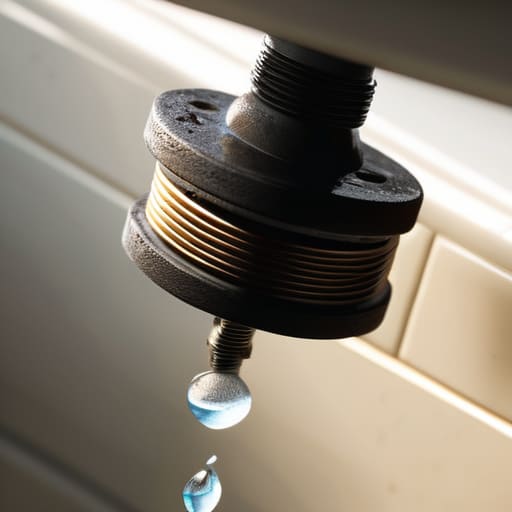
Now, let’s get into the real heart of the matter: the flush valve. If you’ve already checked your tank components and everything looks okay at a glance, the culprit is likely hiding right here. When I was first learning the ropes back at my family’s hardware store, my dad always told me that the flush valve is the “gatekeeper” of your toilet. If it isn’t sealing perfectly, that water is going to keep escaping into the bowl. During my flush valve troubleshooting, I’ve found that even a tiny bit of mineral buildup or a slightly misaligned chain can cause all sorts of headaches.
If the valve itself looks worn or cracked, don’t sweat it! A toilet flapper replacement is one of those super satisfying, quick wins that makes you feel like a total pro. Before you head to the store, take a close look at the underside of the flapper; if it feels slimy or warped, it’s time to say goodbye to the old one. Sometimes, it’s as simple as adjusting the chain tension to ensure it isn’t getting caught underneath the seal. We’ve got this!
My Pro-Tips for Keeping Your Bathroom Quiet and Efficient
- Grab a new flapper before you start; they’re super inexpensive, and honestly, most of the time, a fresh one is all it takes to end that annoying running sound for good!
- Don’t over-tighten those tank bolts—I learned the hard way that too much pressure can actually crack the porcelain, and nobody wants a new toilet after a simple fix.
- Keep an eye on your water level! If the water is constantly spilling into the overflow tube, you might just need to adjust your float valve rather than replacing any parts.
- When you’re cleaning out the tank, be gentle with the components; even though I grew up around my dad’s hardware store, I know how easily delicate plastic parts can snap if you’re too rough.
- Always do a quick “dye test” after your repair; dropping a little food coloring in the tank is a foolproof way to make sure your fix actually worked and there are no hidden leaks lurking!
Quick Wins for a Quiet, Efficient Bathroom
Don’t let a little noise drive you crazy; most running toilets are just a quick fix away from being silent and efficient again!
Take the time to inspect your tank components thoroughly, because catching a small leak early can save you a ton on your water bill.
Trust your instincts and take it one step at a time—you’ve totally got the skills to tackle these repairs and reclaim your peace of mind!
A Little Encouragement for Your Next Project
“I know that constant, rhythmic trickling sound can feel like a tiny heartbreak for your water bill and your peace of mind, but don’t let it rattle you! Most of the time, it’s just a small part asking for a little TLC—and once you tackle it, you’ll feel like a total home-improvement rockstar.”
Emily Carter
You've Got This: Reclaiming Your Bathroom Peace
We have covered a lot of ground today, from hunting down those sneaky silent leaks to getting to the bottom of a finicky flush valve. I know that staring at a toilet tank can feel a little intimidating at first, but remember that most of these issues boil down to just a few common culprits like a worn-out flapper or an improperly adjusted fill valve. By taking the time to inspect your components and replace those aging parts, you aren’t just stopping a constant drip; you are actively saving water and lowering your utility bills. It really is all about identifying the source and being patient with the process until everything clicks back into place.
I want you to take a second to really appreciate what you just accomplished. Whether this was your first time ever getting your hands dirty with plumbing or you’re just becoming more confident in your home maintenance skills, you should be incredibly proud. There is something so uniquely satisfying about hearing that silence return to your bathroom and knowing you fixed it yourself. Don’t let a little bit of water noise hold you back from feeling at home in your space. Keep that momentum going, grab your tools, and remember: you are more capable than you think!
Frequently Asked Questions
I've replaced the flapper but it's still running; could there be something wrong with the water level in the tank?
Oh, I hear you! It is so frustrating when you think you’ve nailed the fix, only to hear that persistent trickling. Since you’ve already swapped the flapper, the water level is definitely our next suspect. If that water level is set too high, it’ll constantly spill into the overflow tube, making it sound like a leak. Let’s grab your screwdriver and adjust that fill valve together—we’ll get this sorted!
Is it worth trying to fix these older parts, or should I just head to the hardware store and buy a whole new fill valve kit?
Honestly, this is such a common dilemma! If you’re looking at a vintage beauty with a lot of character, sometimes a quick cleaning or a new rubber washer can do the trick. But, if those parts are looking pretty weathered or crusty, my professional advice? Just grab a new fill valve kit. It’s a small investment that saves so much frustration, and honestly, it’s much easier than playing detective with aging plastic!
How can I tell if the leak is actually coming from the base of the toilet rather than inside the tank?
That’s such a great question, and honestly, it’s one of the most important distinctions to make before you start grabbing tools! The easiest way to tell is to check your floor. If you see water pooling around the base or if the floorboards feel soft or damp near the toilet, you’re likely looking at a faulty wax ring or a loose mounting bolt. If the floor stays bone-dry, the culprit is almost certainly tucked inside the tank!
