
Have you ever walked into a high-end nursery, felt that sudden wave of intimidation, and walked right back out because everything seemed so impossibly difficult? I get it. There is this huge, frustrating myth floating around that you need a degree in botany or a massive budget for specialized UV lights and fancy distilled water just to keep a simple pothos alive. Honestly, it’s total nonsense. Learning how to care for houseplants shouldn’t feel like you’re studying for a final exam; it should feel like a natural extension of making your house a home.
I’m not here to sell you on expensive, unnecessary gadgets or complicated schedules that don’t work in the real world. Instead, I want to share the practical, hands-on wisdom I’ve gathered from years of trial, error, and plenty of accidental plant casualties. We are going to strip away the fluff and focus on the actual basics—light, water, and soil—so you can feel confident in your skills. Let’s stop guessing and start growing, because I promise you, you can do this!
Table of Contents
Finding the Perfect Glow Indoor Plant Lighting Requirements
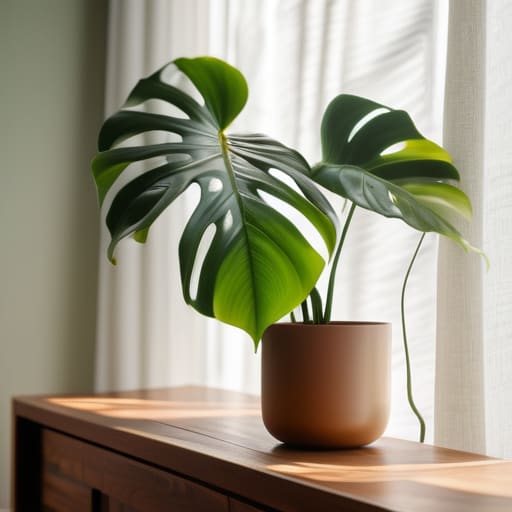
One of the biggest mistakes I see people make—and trust me, I’ve been there!—is assuming that if a room feels “bright” to us, it’s bright enough for a plant. In reality, understanding indoor plant lighting requirements is a bit more nuanced than just finding a sunny corner. Think of light like the fuel for your green friends; without the right amount, they’ll just end up looking leggy and tired. I always recommend starting by observing how the sun moves through your space at different times of the day. Does that window get blasted with direct afternoon heat, or is it more of a soft, filtered glow?
If you’re working with a darker nook, don’t panic! You don’t need a sunroom to be successful. You can always opt for low-light superstars like Snake Plants or Pothos, or even grab a stylish grow light to bridge the gap. Just remember, getting the light right is often the secret ingredient that makes everything else—like your fertilizing routine—actually work. Once you nail down the light, you’re halfway to a thriving indoor jungle!
The Secret Foundation Choosing the Best Soil for Houseplants
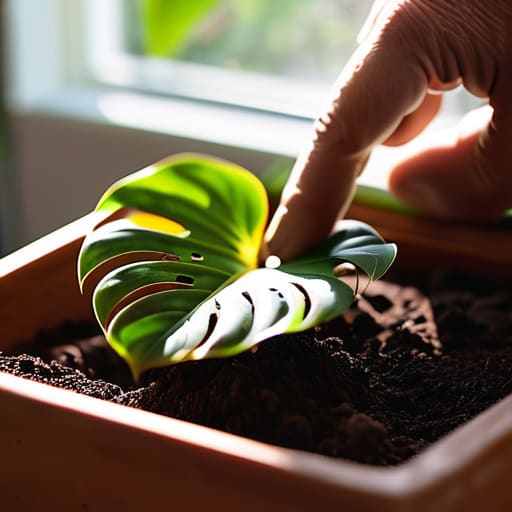
Now, let’s talk about what’s happening beneath the surface—literally! While we often obsess over finding that perfect sunny nook to meet our indoor plant lighting requirements, we sometimes forget that the foundation is just as vital. Think of soil as the pantry for your green friends; if the food isn’t nutritious or the texture is all wrong, even the best light won’t save them. I remember when I first started out, I used to just grab whatever cheap bag of dirt I could find at the local shop, but I quickly learned that one size definitely does not fit all.
When you’re hunting for the best soil for houseplants, you’re really looking for a balance of drainage, aeration, and nutrient retention. For my succulent lovers, you’ll want something gritty and fast-draining to prevent soggy roots, whereas those leafy tropical beauties crave a mix that holds onto a bit more moisture. A good rule of thumb I always share is to look for a high-quality potting mix enriched with perlite or coco coir. It provides that perfectly fluffy texture that allows roots to breathe and grow strong!
Don't Let Them Thirst: My Go-To Watering Hacks
- Stop sticking to a strict schedule! I used to think watering every Monday was the golden rule, but plants are living things, not machines. Instead, grab your finger and do the “knuckle test”—if the top inch of soil feels dry, it’s time for a drink.
- Drainage is your absolute best friend. If you’ve fallen in love with a gorgeous vintage ceramic pot that doesn’t have a hole in the bottom, don’t panic! Just keep your plant in its plastic nursery liner and nestle it inside the pretty pot so you can easily pour out any excess water.
- Watch out for “wet feet.” Overwatering is the quickest way to turn a happy plant into a sad one. If you see water pooling at the bottom of the saucer, pour it out immediately; nobody likes sitting in a puddle, and your roots definitely don’t!
- Think about the seasons. Just like us, our plants slow down when it gets chilly. You’ll likely find you need to water way less in the winter than you do during those humid summer months, so keep an eye on those moisture levels as the temperature shifts.
- Give them a little spa day! Dust can actually settle on leaves and block their ability to “breathe” and soak up light. Every once in a while, take a damp cloth and gently wipe down those leaves. It makes them shine like new and keeps them super healthy.
Quick Tips to Keep Your Greenery Happy
Don’t be afraid to experiment with your light! If your plant looks a little sad, try moving it a few feet closer to or further from that sunny window—sometimes a tiny adjustment makes all the difference.
Think of soil as your plant’s pantry; using a high-quality, well-draining mix is like giving them a nutritious, balanced meal that helps their roots breathe and grow strong.
Remember, there’s no such thing as a “perfect” green thumb, just a little bit of observation and patience. If a leaf turns yellow, don’t panic—just treat it as a little lesson for next time!
## A Little Love Goes a Long Way
“Think of your houseplants less like decor and more like roommates—they don’t need perfection, they just need a little bit of your time, a little bit of patience, and a whole lot of heart to really thrive.”
Emily Carter
Bringing the Greenery Home
I know it can feel a little overwhelming when you first walk into a nursery and see all those lush, leafy options staring back at you, but remember that it all comes down to the basics we’ve talked about today. Once you’ve mastered the art of finding that perfect light source and you’ve invested in a high-quality, well-draining soil mix, you’ve already done the hardest part of the heavy lifting. Don’t be afraid to experiment a little bit! Every plant is a living thing with its own little personality, and finding that sweet spot between the right nutrients and the right amount of water is a skill that truly grows with you over time.
At the end of the day, please don’t be too hard on yourself if you lose a leaf or two along the way—even my most seasoned plant friends have their off days! Indoor gardening isn’t about achieving perfection; it’s about the joy of watching something small and fragile turn into a vibrant part of your home’s soul. Whether you’re starting with one tiny succulent on a windowsill or building a full-blown indoor jungle, just remember that you have the power to create a space that feels alive and uniquely yours. I can’t wait to see how your little green sanctuary turns out, so let’s keep growing together!
Frequently Asked Questions
I've noticed some yellowing leaves on my pothos—is that a sign I'm overwatering, or could it be something else?
Oh, the dreaded yellow leaf! I’ve definitely been there, staring at my pothos wondering what I did wrong. Most of the time, it is indeed a cry for help regarding overwatering—pothos hate having “wet feet.” But, don’t panic! It could also be a sign of a nutrient deficiency or even just an older leaf making room for new growth. Gently poke the soil; if it’s soggy, let it dry out completely!
How do I know if my plants actually need fertilizer, or am I just going to end up burning their roots?
Oh, I have been there! I once accidentally over-fertilized a beautiful monstera and felt just terrible about it. The best way to tell is to look for signs of “hunger”—slowed growth or pale, yellowish leaves. If your plant looks happy and is actively pushing out new leaves, it might be doing just fine on its own! When in doubt, less is more. Start with a diluted dose and watch how they react.
My little apartment doesn't have much natural light; are there specific "unkillable" plants you'd recommend for beginners?
Oh, I have been exactly where you are! When I first moved into my tiny studio, I felt like I was living in a cave. Don’t let that dim light discourage you, though—there are some absolute champions out there! I’d highly recommend starting with a Snake Plant or a ZZ Plant; they are basically indestructible and thrive in low light. A Pothos is another great one that’ll trail beautifully off a shelf!
