
I still remember being back in my hometown in Ohio, standing in my dad’s hardware store, watching him whip up quick meals between helping customers. He always used to say that if you can handle a power drill, you can definitely handle a wok. Honestly, I’m so tired of seeing these overly polished, “perfect” cooking videos that make you feel like you need a professional kitchen and twenty exotic ingredients just to get started. Learning how to make a stir fry shouldn’t feel like a high-stakes construction project where one wrong move ruins everything. It’s not about having the fanciest gadgets; it’s about mastering the heat and knowing your ingredients.
I’m not here to give you a complicated recipe that requires a trip to a specialty market. Instead, I’m going to share the practical, no-nonsense techniques I’ve learned from years of trial, error, and plenty of smoky kitchen mishaps. We’re going to break down the essential rhythm of the process so you can walk into your kitchen feeling totally confident. By the time we’re done, you’ll have the skills to toss together a delicious, healthy meal using whatever you’ve already got in your pantry. Let’s get to work!
Table of Contents
Perfecting Protein Slicing for Stir Fry Success
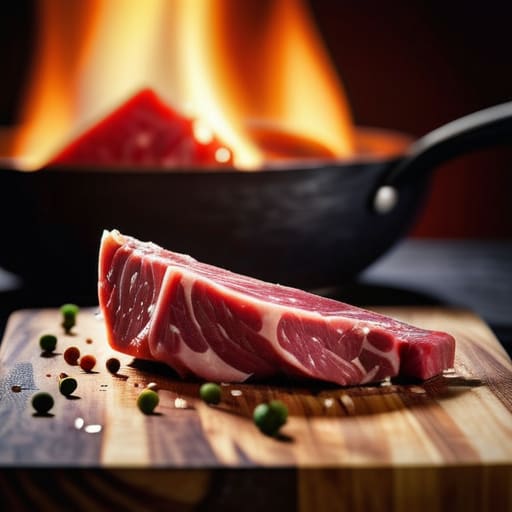
Now, let’s talk about the real secret to that restaurant-quality texture: protein slicing for stir fry. Growing up in my dad’s hardware store, I learned that the right tool for the job changes everything, and the same goes for your kitchen! If you try to cook thick, chunky pieces of meat, you’ll end up with unevenly cooked bits and a lot of frustration. Instead, I always recommend slicing your chicken, beef, or even tofu against the grain into very thin, uniform strips. This ensures everything cooks lightning-fast and stays incredibly tender once it hits that intense heat.
While you’re working, keep your prep organized. I love to use a small bowl to mix my stir fry sauce ingredients ahead of time so I’m not scrambling while the pan is smoking. When you’re ready to cook, remember that speed is your best friend. Since we’re aiming for those delicious umami flavor profiles, you want to sear the meat quickly without crowding the pan. If you pile too much in at once, the temperature drops, and you’ll end up steaming your food rather than getting that beautiful, golden sear we’re all after!
Essential Vegetable Prep for Stir Fry Vibrancy
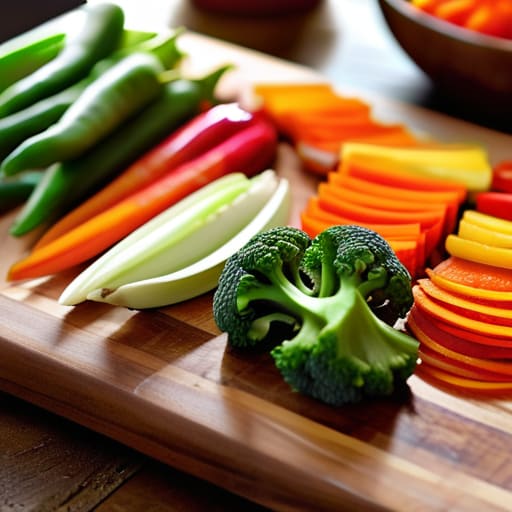
Now that we’ve got our proteins sliced to perfection, let’s talk about the real stars of the show: the veggies! When it comes to vegetable prep for stir fry, consistency is your absolute best friend. I always tell my readers that if your pieces are uneven, some will end up mushy while others stay stubbornly raw. I like to aim for uniform slices or bite-sized florets so everything hits that perfect “tender-crisp” stage at the exact same time.
I also love playing with different textures to create those deep umami flavor profiles we all crave. Think about layering crunchy elements like water chestnuts or snap peas with something slightly softer, like bell peppers or baby corn. Pro tip: try to group your veggies by how long they take to cook. Harder veggies like carrots should be sliced thinner, while leafy greens can be tossed in at the very last second. It’s all about timing and precision to ensure every single bite is vibrant and full of life. Let’s get chopping!
My Secret Sauce for Stir Fry Success: 5 Pro Tips
- Get your “mise en place” ready! Since stir frying happens incredibly fast over high heat, you don’t want to be chopping garlic while your onions are already burning. Have every single ingredient prepped and measured in little bowls before you even turn on the stove.
- Master the heat of your pan. You want that wok or skillet screaming hot! A cold pan will lead to steaming instead of searing, and we want those crispy, caramelized edges that make a stir fry truly sing.
- Don’t crowd the pan! It’s tempting to dump everything in at once, but if you pile too much in, the temperature drops and your veggies will get mushy. Work in batches if you have to—it’s worth the extra few minutes for that perfect texture.
- Timing is everything with your ingredients. Start with your “hard” veggies like carrots or broccoli, and save the delicate stuff like spinach or bell peppers for the very end. This ensures everything is cooked through without losing that beautiful, vibrant crunch.
- Finish with a flavor punch. Right before you pull the pan off the heat, add a splash of toasted sesame oil or a squeeze of fresh lime. It’s like adding the final coat of varnish to a furniture project—it just brings everything to life!
Quick Wins for Your Best Stir Fry Ever
Remember that prep is your best friend—having all your proteins and veggies sliced and ready to go before you even turn on the heat is the secret to avoiding kitchen chaos!
Don’t be afraid to play with textures; mixing crunchy veggies with tender, perfectly sliced protein is what creates that professional, restaurant-quality mouthfeel.
Keep your knife skills sharp and consistent so everything cooks at the same rate, ensuring you get that perfect bite every single time.
## The Secret to That Perfect Sizzle
“Just like restoring a beautiful vintage piece of furniture, a great stir fry is all about the prep work; once you’ve got your ingredients chopped and ready to go, the actual cooking is where all that hard work finally comes to life in the pan!”
Emily Carter
Bringing It All Together at the Stove
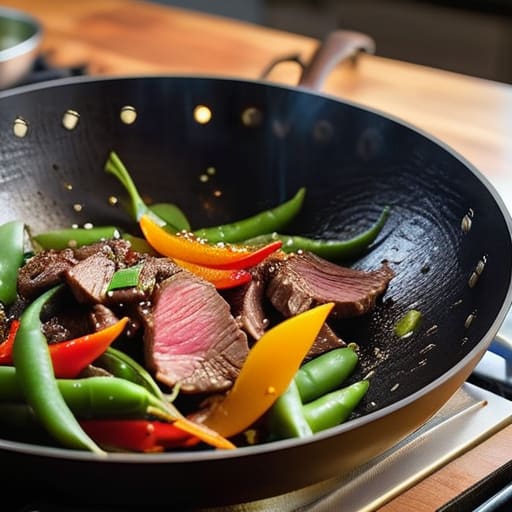
Now that you’ve mastered the prep work, you are officially ready to hit the heat! Remember, the secret to a truly spectacular stir fry lies in those foundational steps we just walked through. By taking the time to slice your proteins into uniform, thin pieces and prepping your vegetables so they’re bite-sized and ready to go, you’ve already done the heavy lifting. This ensures that everything cooks quickly and evenly, preventing that dreaded situation where your meat is overdone but your veggies are still crunchy. Once you get that pan sizzling, just trust your instincts, keep things moving, and watch as all those vibrant colors and textures meld into a delicious masterpiece. It really is all about that careful preparation before the flame even touches the wok.
I know that stepping into the kitchen to tackle a new cooking technique can feel a little daunting at first—trust me, I remember feeling the same way when I was first learning to use my dad’s old tools back in the hardware store! But just like restoring a beautiful vintage dresser, the magic happens in the process. Don’t be afraid to experiment with different sauces or throw in a rogue pepper if it catches your eye. Cooking is a skill that you build one meal at a time, and I promise that every single sizzle is a step toward becoming more confident in your own kitchen. You’ve got this, so grab your spatula and let’s make something absolutely amazing together!
Frequently Asked Questions
What's the best way to make sure my sauce doesn't turn out too watery or thin?
Oh, I have been there! There is nothing more disappointing than a stir fry that’s swimming in a thin, sad liquid. To get that glossy, restaurant-style coating that actually clings to your veggies, you’ll want to use a cornstarch slurry. Just whisk a teaspoon of cornstarch into a little bit of your cold sauce before pouring it into the pan. It works like magic to thicken everything up instantly!
I'm worried about everything getting mushy—how do I know exactly when to add each ingredient to the pan?
Oh, I totally get that! There is nothing more heartbreaking than a stir fry that turns into a soggy mess. Think of your wok like a construction project—timing is everything. Start with your hardest veggies, like carrots or broccoli, first. Once they lose that raw crunch, toss in the softer stuff like bell peppers or snap peas. You want everything to stay vibrant and snappy, not limp! Just keep an eye on that texture.
Can I swap out the high-heat oil you mentioned for something else, or will that ruin the sizzle?
That is such a great question! You definitely don’t want to ruin that gorgeous sizzle. If you swap your high-heat oil for something like extra virgin olive oil or butter, they’ll smoke and burn way too fast, which can leave a bitter taste. Stick to oils with a high smoke point, like avocado, peanut, or canola. Think of it like choosing the right sandpaper for a project—using the wrong one can totally change your results!
