
Honestly, if I see one more person post a video about a $2,000 espresso machine that looks more like a piece of spaceship equipment than a kitchen appliance, I might just lose it! We’ve been sold this idea that you need a chemistry degree and a massive budget just to enjoy a decent morning brew, but let me tell you a secret: that’s total nonsense. Learning how to make coffee at home shouldn’t feel like a high-stakes science experiment or a massive drain on your bank account. I spent my childhood in my family’s hardware store watching people realize they didn’t need the fanciest tool in the aisle to get the job done right—they just needed the right tool and a little bit of know-how.
I’m not here to give you a lecture on bean acidity or complex extraction ratios that leave you feeling more confused than caffeinated. Instead, I’m going to share the practical, no-nonsense methods I’ve perfected in my own kitchen to help you craft a truly soul-warming cup every single day. We’re going to focus on simple techniques, accessible gear, and those little game-changing tweaks that make a world of difference. Let’s roll up our sleeves and turn your morning routine into something you actually look forward to!
Table of Contents
Choosing Your Best Coffee Brewing Methods
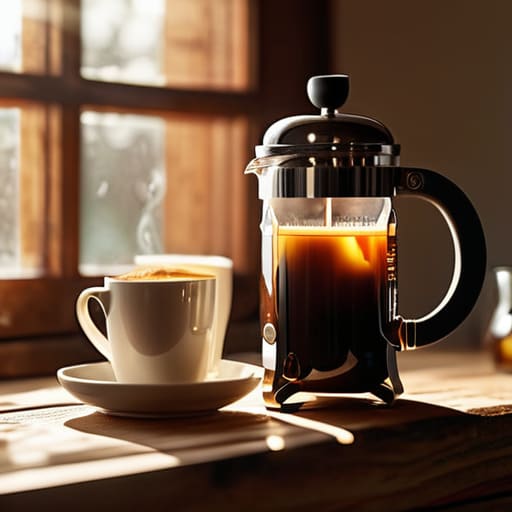
Now, before we dive into the fun part, we need to find the method that actually fits your lifestyle. Just like picking the right finish for a dining table, your choice of coffee brewing equipment for beginners really dictates the final vibe of your morning. If you’re someone who loves a slow, meditative ritual, a French Press is your best friend—it’s sturdy, reliable, and gives you that rich, full-bodied texture I absolutely crave. On the other hand, if you’re always rushing out the door, a simple pour-over might feel a bit too fussy.
If you want to start improving your coffee flavor profile without spending a fortune, I always suggest starting with the basics. You don’t need a professional-grade espresso machine to get something delicious! Instead, focus on the variables you can control, like using freshly ground coffee beans right before you brew. It’s a total game-changer. Think of it like sanding a piece of vintage wood; the prep work is where the real magic happens, ensuring your final result is nothing short of spectacular.
Essential Coffee Brewing Equipment for Beginners
Now, before we get our hands dirty, let’s talk about the toolkit! Just like when I’m tackling a furniture restoration project, having the right tools makes all the difference between a frustrating afternoon and a beautiful result. When you’re just starting out, you don’t need a professional cafe setup, but investing in some quality coffee brewing equipment for beginners will definitely save you some heartache. First on my list is a reliable burr grinder. I know, I know—it’s one more thing to clean—but using freshly ground coffee beans is hands-down the single most impactful way to elevate your morning ritual.
Once you’ve got your beans, you’ll want a way to control the variables. A simple gooseneck kettle is a total game-changer if you’re trying a pour-over; it gives you that precision needed to hit the perfect water temperature for coffee every single time. If you’re more of a “set it and forget it” person, a French press is a sturdy, reliable classic that’s almost impossible to mess up. Don’t feel pressured to buy everything at once, though—just pick one method that speaks to your style and let’s get brewing!
My Secret Sauce: 5 Pro-Tips for the Perfect Home Brew
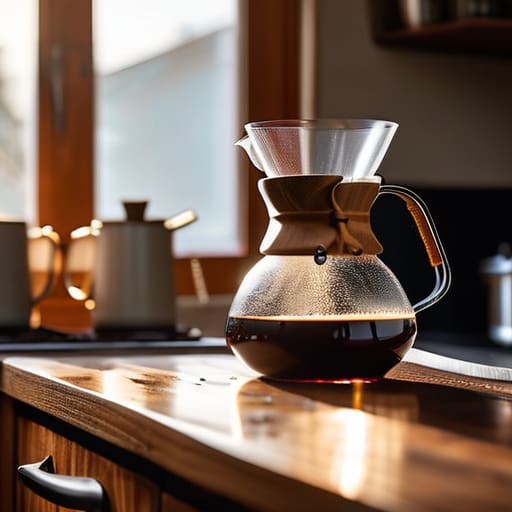
- Treat your beans like fine furniture—don’t let them sit around! Freshness is everything. If you can, buy whole beans and grind them right before you brew. It’s a total game-changer for the aroma and flavor.
- Water is actually your most important “tool” in this project. Since coffee is mostly water, using filtered water instead of tap makes a massive difference. You don’t want any weird mineral tastes masking that beautiful roast.
- Don’t let your water boil away! If you pour boiling water directly onto your grounds, you might scorch them (kind of like over-sanding a delicate piece of wood). Let your kettle sit for a minute after it whistles to hit that sweet spot around 200°F.
- Precision is your best friend. I know it’s tempting to just “eyeball” it, but using a simple kitchen scale to weigh your coffee and water ensures your brew is consistent every single morning. No more guessing games!
- Keep your gear spotless! Just like I wouldn’t use a dirty brush on a fresh coat of paint, don’t use a carafe or a grinder with old, oily residue stuck inside. A quick rinse and a clean setup make for a much smoother experience.
My Top Tips for Your Home Coffee Journey
Don’t feel like you need to buy every gadget in the store; start with one reliable method that fits your morning rhythm and grow your collection as you find your groove!
Quality matters more than complexity—investing in fresh beans and a decent grinder will do way more for your flavor than the most expensive machine ever could.
Embrace the learning curve and don’t be afraid to experiment; every “oops” moment with your brew is just another step toward mastering your perfect morning ritual!
## Finding Your Morning Rhythm
“Making coffee at home isn’t just about the caffeine hit; it’s about reclaiming those quiet, early moments and turning your kitchen into a little sanctuary where you craft something beautiful, one pour at a time.”
Emily Carter
Your Perfect Morning Brew Awaits
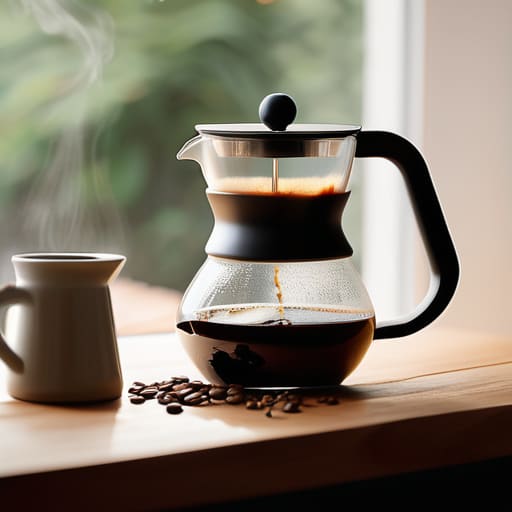
We have covered a lot of ground today, from picking out the right brewing method that fits your lifestyle to gathering those essential little tools that make all the difference. Whether you decide to go the route of a classic French press for that rich, heavy body or opt for the clean, bright notes of a pour-over, remember that there is no single “right” way to do this. It is all about finding the rhythm that works for you and experimenting with different beans until you hit that sweet spot. Don’t be afraid to get a little messy with your measurements or try a new grind size—that is exactly how you learn what your palate truly loves.
At the end of the day, making coffee at home is about so much more than just caffeine; it is about reclaiming those quiet, precious moments before the rest of the world starts rushing in. Just like when I’m restoring an old mid-century chair or sanding down a piece of vintage oak, there is a deeply rewarding sense of pride in knowing you crafted something wonderful with your own two hands. So, grab your favorite mug, take a deep breath, and enjoy that first delicious sip. You’ve totally got this, and I can’t wait to hear how your new morning ritual turns out!
Frequently Asked Questions
I've got the gear, but how do I know if my water temperature is actually right for my beans?
That is such a great question! Honestly, even with the best gear, temperature is the secret ingredient that makes or breaks your brew. If your water is boiling hot, you might scorch those delicate beans, leaving you with a bitter taste. If it’s too cool, your coffee will taste flat. I always aim for that sweet spot between 195°F and 205°F. Grab a simple digital thermometer—it’s a total game-changer for consistency!
Is it really worth investing in a burr grinder, or can I just get by with a cheap blade one?
Oh, I get this question all the time! Honestly, if you’re serious about leveling up your morning ritual, go for the burr grinder. I know, they can be a bit pricier, but it’s such a game-changer. Blade grinders tend to smash your beans into uneven chunks, which makes your coffee taste bitter and unpredictable. A burr grinder gives you that beautiful, consistent grind every single time. Trust me, your taste buds will thank you!
What’s the best way to store my coffee beans so they don't go stale halfway through the bag?
Oh, I have been there! There is nothing more heartbreaking than looking forward to a fresh brew only to realize your beans have gone stale. To keep that magic alive, treat your beans like delicate vintage finds: keep them in an airtight, opaque container away from sunlight and heat. I swear by those vacuum-sealed canisters! And please, resist the urge to toss them in the freezer—moisture is the enemy of a perfect cup.
