
I used to think that making a great meal required a massive budget and a pantry full of exotic, hard-to-find ingredients, but honestly? That’s just a myth that keeps us from actually enjoying our food. I remember sitting in my tiny first apartment after graduation, staring at a sad, wilted pile of iceberg lettuce and feeling totally defeated by the idea of a healthy lunch. I kept searching for ways on how to make salad interesting, thinking I needed some fancy, expensive truffle oil or gold-leaf garnish to make it feel like “real” food. But after years of tinkering with everything from vintage mid-century sideboards to simple kitchen staples, I’ve realized that true creativity doesn’t require a massive investment—it just requires a bit of vision and the right tools.
In this guide, I’m stripping away the culinary fluff and giving you my no-nonsense, hands-on approach to building bowls that actually excite your taste buds. We aren’t just tossing greens in a bowl; we are going to focus on layering textures and flavors like we’re designing a room from scratch. I promise to share my tried-and-true, experience-based secrets so you can stop settling for boring meals and start crafting salads that feel as intentional and beautiful as a well-designed home.
Table of Contents
Finding Harmony Through Flavor Balancing in Salads
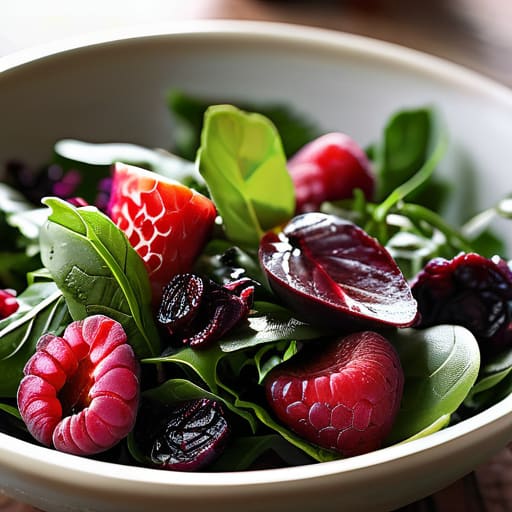
Think of a salad much like a room I’m designing; if you only have one color or one texture, the whole space feels flat. The same goes for your bowl! To really elevate your greens, you need to master flavor balancing in salads by playing with opposites. If you have something bitter, like arugula or radicchio, you need a touch of sweetness—maybe some sliced strawberries or dried cranberries—to round those sharp edges out. If your base feels a bit heavy or creamy, a splash of acidity from a bright vinaigrette will act like a pop of color in a neutral room, instantly waking up your palate.
Don’t forget that a great salad needs structure, too. I always tell my readers that adding texture to salads is the secret sauce to keeping things exciting. You want that satisfying crunch from toasted sunflower seeds or even some crispy chickpeas to contrast against soft goat cheese or avocado. When you hit that sweet spot between creamy, crunchy, tangy, and sweet, you aren’t just eating a side dish—you’re crafting a culinary experience that feels totally intentional and, most importantly, delicious!
Adding Texture to Salads for a Satisfying Crunch
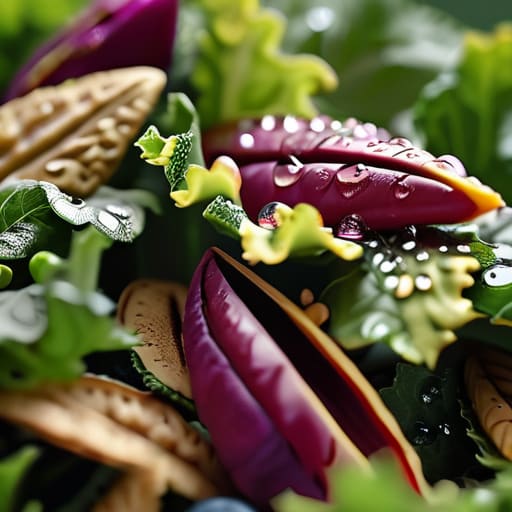
If there is one thing I learned growing up in my family’s hardware store, it’s that the right tools make all the difference—and in a salad, your “tools” are all about that tactile sensation. There is nothing more disappointing than a bowl of greens that feels one-dimensional or, heaven forbid, mushy. To really elevate your bowl, you need to focus on adding texture to salads by playing with contrasting sensations. I love tossing in some toasted sunflower seeds or even some crushed pita chips to give it that much-needed structural integrity. It’s all about that satisfying crunch that keeps you coming back for another bite!
Don’t stop at just the crunch, though. Think about layering different densities to keep your palate engaged. You might pair soft, creamy avocado slices with something sharp and crisp, like thinly sliced radishes or cucumbers. If you’re looking to turn your greens into a full-blown meal, don’t forget about protein additions for salads like crispy roasted chickpeas or even some pan-seared tofu. When you mix those hearty elements with light, leafy bases, you aren’t just eating; you’re crafting a multi-sensory experience right in your own kitchen.
Level Up Your Bowl: 5 Ways to Turn a Basic Salad into a Masterpiece
- Don’t forget the power of temperature! I love playing with “warm meets cold” by tossing freshly roasted sweet potatoes or warm quinoa over a bed of crisp, chilled greens. It adds such a cozy, intentional layer to the whole experience.
- Get creative with your dressings instead of reaching for the bottled stuff. Think about whisking up a homemade vinaigrette with a little bit of Dijon mustard or even a splash of maple syrup—it’s like adding the perfect finishing coat to a piece of furniture; it ties everything together!
- Use herbs as more than just a garnish. Instead of just a tiny sprig of parsley on top, try folding in whole handfuls of fresh mint, basil, or cilantro. It turns the salad from a side dish into a vibrant, aromatic centerpiece.
- Think about “pop” through acidity. If a salad feels a bit heavy or flat, it usually needs a bright note to wake it up. A squeeze of fresh lemon juice or a few tangy pickled red onions can act like a bright accent color in a room, instantly lifting the whole mood.
- Lean into seasonal storytelling with your toppings. I always say that the best way to make a dish feel special is to use what’s thriving right now—whether that’s juicy peaches in the summer or toasted pumpkin seeds in the fall. It makes every bowl feel like a little celebration of the season!
Quick Wins for Your Next Salad Session
Think like a designer—every bowl needs a balanced “palette” of sweet, salty, acidic, and bitter notes to really pop.
Don’t settle for just leaves; layer in some serious crunch with toasted seeds or fresh veggies to make every bite feel intentional.
Trust your gut and play with textures, because a salad that feels good to eat is just as important as how it looks on the plate!
The Secret Ingredient is Soul
“Think of your salad like a room you’re designing; you wouldn’t just throw a single chair in a corner and call it a living space, so don’t settle for just leaves in a bowl. You need layers, unexpected pops of color, and that perfect mix of textures to make it feel truly alive and intentional.”
Emily Carter
Bringing It All Together
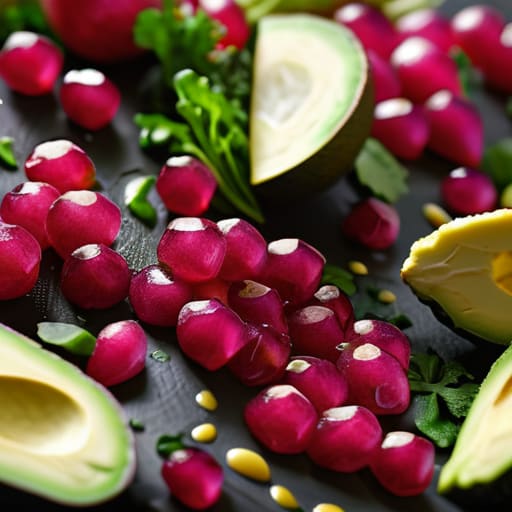
At the end of the day, making a salad interesting isn’t about following a rigid recipe or buying the most expensive organic produce on the market. It’s about understanding how different elements work together to create a cohesive experience. We’ve talked about finding that perfect harmony through flavor balancing—making sure you have enough acid to cut through richness—and, of course, layering in those essential textures so every bite feels substantial. When you combine a bright, zesty vinaigrette with a satisfying, unexpected crunch, you transform a simple side dish into the star of the show. Remember, your salad should be a thoughtful composition of colors, tastes, and feelings, much like a well-designed room!
I know that sometimes stepping into the kitchen to experiment can feel a little intimidating, but I promise you, the best way to learn is to just start building. Don’t be afraid to toss in that weird fruit you saw at the market or try a bold new nut topping; your kitchen is your workshop, and every bowl is a new project to master. Just like when I’m restoring an old piece of furniture, the magic happens in the small, intentional details that make the final result uniquely yours. So, grab your favorite bowl, trust your instincts, and let’s make something delicious together!
Frequently Asked Questions
I’ve got all these textures and flavors down, but how do I actually plate a salad so it looks like something out of a design magazine instead of just a pile of leaves?
Think of your salad like a room makeover! Instead of just dumping everything in a bowl, start with your heaviest ingredients at the bottom to create a sturdy foundation. Then, “layer” your greens to add height—think of it as adding architectural interest. Finally, tuck those delicate garnishes and crunchy bits into the gaps. Don’t aim for perfection; aim for effortless volume. A little lift and some intentional placement make all the difference!
What are some clever ways to incorporate seasonal ingredients so my salad recipes don't feel repetitive or boring after a few weeks?
Think of your salad like a room refresh—you don’t need new furniture, just new accents! To keep things exciting, let the calendar be your guide. In the fall, swap out those summer cucumbers for roasted butternut squash or sliced apples. When spring rolls around, lean into bright radishes and snap peas. By rotating your base greens and seasonal toppings every few weeks, you’re essentially “redecorating” your bowl, making every bite feel brand new!
Is there a trick to making homemade dressings that actually hold up throughout a meal without making everything soggy?
Oh, I hear you! There is nothing more heartbreaking than a sad, soggy salad halfway through dinner. My biggest trick? Emulsification. Instead of just whisking, try slowly drizzling your oil into your acid (like lemon juice or vinegar) while whisking vigorously—or even better, use a small jar and shake it like crazy! This creates a stable bond that clings to your greens rather than pooling at the bottom, keeping everything crisp and vibrant.
