
Have you ever stared into the depths of a fully stocked refrigerator at 6:00 PM, feeling that familiar, sinking sense of defeat because you still have absolutely no idea what to cook? It’s that overwhelming moment where the “dream” of a Pinterest-perfect kitchen meets the messy reality of a long workday. I’ve been there more times than I’d like to admit, standing there with a heavy sigh, wondering how to meal plan without it becoming just another exhausting chore on my never-ending to-do list. We often treat it like this high-stakes organizational project, but honestly? It shouldn’t feel like you’re trying to blueprint a whole house before you’ve even picked up a hammer.
I’m not here to sell you on expensive planners or a lifestyle that requires spending your entire Sunday in a grocery store aisle. Instead, I want to show you how to build a kitchen routine that is actually functional and sustainable for your real, busy life. I’ll be sharing my tried-and-true, no-nonsense methods for mapping out your week so you can spend less time stressing over menus and more time actually enjoying your space. Let’s stop the takeout cycle and start building a routine that works for you!
Table of Contents
Finding Joy in Healthy Weekly Menu Ideas
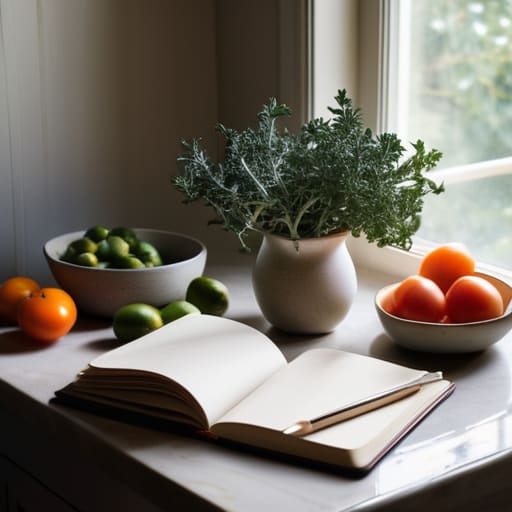
When I first started transitioning from the design studio to my own kitchen, I realized that a meal plan shouldn’t feel like a chore list—it should feel like a creative project! Just like picking out the perfect color palette for a living room, choosing your healthy weekly menu ideas is about finding a balance that feels good for your body and your soul. I love looking at a week of meals as a way to nourish myself rather than just “checking a box.” When you focus on ingredients you actually crave, the whole process shifts from a task to a form of self-care.
I’ve found that the real magic happens when you lean into some simple batch cooking strategies. Instead of feeling overwhelmed by a dozen different recipes, I like to prep a few versatile components—like a big tray of roasted veggies or a hearty grain—that can be transformed into different dishes throughout the week. It’s a bit like having a well-stocked toolbox; once you have the right foundations ready to go, you can build something truly delicious in minutes without any of the mid-week stress!
Budget Friendly Meal Planning for a Nourishing Home
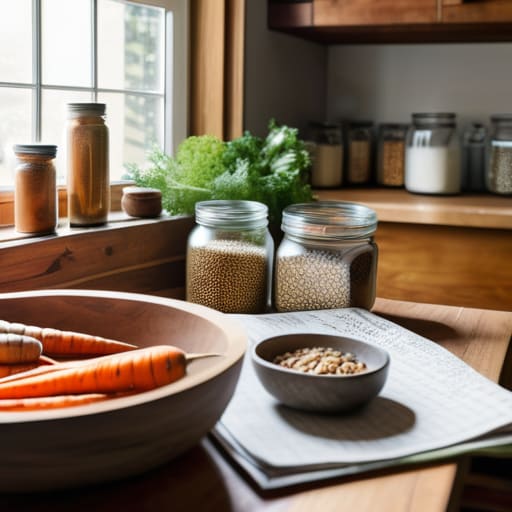
Now, I know what some of you are thinking: “Emily, doesn’t eating well mean spending a fortune at the organic market?” I used to think the exact same way! Growing up in my family’s hardware store, I learned that you don’t need the most expensive tools to build something sturdy; you just need a solid plan. The same goes for your kitchen. Embracing budget friendly meal planning isn’t about deprivation; it’s about being resourceful with what you have. I love starting by auditing my pantry first—it’s like clearing out a cluttered junk drawer before starting a new design project. You’d be surprised at the “hidden gems” you already own!
Once you know your inventory, the real magic happens with batch cooking strategies. Instead of buying individual portions, I grab bulk staples like grains, beans, or seasonal veggies. By prepping a large batch of roasted sweet potatoes or a big pot of quinoa on Sunday, you’re essentially laying the foundation for multiple meals throughout the week. It saves so much money and prevents those expensive, last-minute takeout runs when you’re too tired to cook. Think of it as building your culinary foundation, one smart ingredient at a time!
My Toolkit for a Stress-Free Kitchen: 5 Pro-Tips for Success
- Shop Your Own Pantry First! Before you even touch a grocery list, take a little “inventory walk” through your cupboards. It’s just like when I’m restoring a vintage dresser—you have to see what materials you already have on hand before you start buying new supplies. You might find that perfect box of pasta or that jar of spices that’s just waiting to be the star of a meal!
- Keep a “Rotation List” of Family Favorites. We all have those go-to meals that we can make with our eyes closed. Instead of reinventing the wheel every single Sunday, keep a list of 10 or 12 reliable recipes that everyone loves. It takes the decision fatigue out of the equation and makes the whole process feel much more manageable.
- Don’t Be Afraid to “Build” on Leftovers. I like to think of leftovers as the raw materials for your next project. If you roast a big batch of chicken on Monday, plan to use those shreds for delicious tacos or a hearty salad on Wednesday. It saves so much time and keeps your kitchen running like a well-oiled machine!
- Use a Visual Planner. Whether it’s a beautiful chalkboard on the fridge or a simple notebook, seeing your week laid out makes it feel real. It’s much harder to feel overwhelmed when you can see exactly how your meals fit into the rhythm of your life. It turns a chaotic week into a structured, beautiful plan.
- Give Yourself a Little Grace (and Buffer Room). Some weeks, life happens—a project runs late, or you’re just plain exhausted. Don’t feel like you have to be perfect! I always recommend keeping one “emergency” frozen meal or a super simple pantry staple meal on standby. Meal planning should empower you, not stress you out!
My Top Tips for Making Meal Planning Work for You
Treat your weekly menu like a design project—start with a solid foundation of what you actually love to eat, then layer in the healthy bits so it feels intentional rather than restrictive.
Don’t be afraid to shop your own pantry first; just like finding a hidden gem at a vintage furniture sale, you might already have the perfect “materials” to build a delicious meal without spending an extra dime.
Keep things flexible and give yourself some grace; some weeks the “renovation” goes perfectly, and other weeks you might need to pivot, and that is totally okay!
Designing Your Weekly Menu
“Think of meal planning just like a home renovation project—it’s not about following a rigid blueprint, but about gathering the right materials and a little bit of inspiration so you can build a routine that actually feels good to live in.”
Emily Carter
Putting Your Plan Into Motion
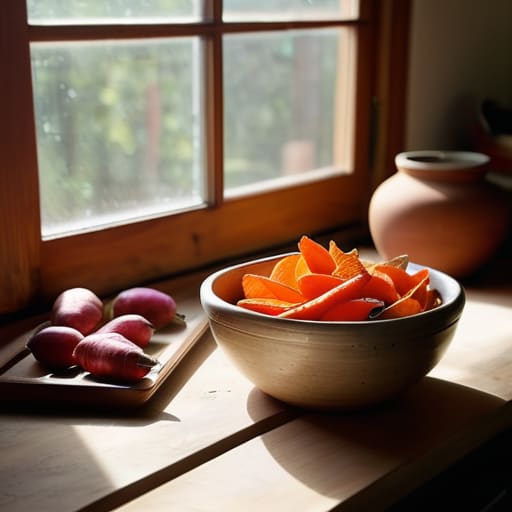
As we wrap things up, I want you to remember that meal planning isn’t about achieving some impossible level of perfection or having a Pinterest-worthy pantry at all times. It’s really just about gathering the right tools—like your favorite recipe notebook or a simple grocery list—to help you build a more intentional and nourishing routine. We’ve talked about finding joy in your menu choices and keeping things budget-friendly, but the real magic happens when you take those small, practical steps to simplify your weekly chaos. Whether you’re prepping a big batch of roasted veggies on Sunday or just deciding on three solid dinners for the week, you are laying the foundation for a much more peaceful kitchen environment.
At the end of the day, think of your meal planning like any other DIY project: it might feel a little intimidating when you first pick up the tools, but the sense of accomplishment you feel once it’s done is absolutely worth the effort. Don’t be afraid to make mistakes or pivot if a recipe doesn’t turn out quite how you imagined; even the most seasoned pros have a few “oops” moments in the kitchen! Just keep showing up for yourself and your home. I truly believe that with a little bit of patience and a lot of heart, you can transform your relationship with food into something that feels deeply rewarding and sustainable. Now, let’s get out there and start building a kitchen routine you truly love!
Frequently Asked Questions
What should I do if I realize halfway through the week that I've completely over-planned and don't have the energy to cook?
Oh, I have been there more times than I can count! Honestly, don’t beat yourself up—even the best-laid plans can hit a snag. When that mid-week exhaustion kicks in, I call it a “pivot day.” Instead of forcing a complex recipe, lean on your pantry staples. Think quick assembly: a simple grilled cheese, some rotisserie chicken over greens, or even breakfast for dinner. It’s not “failing” the plan; it’s just adjusting the blueprint to fit your current energy!
How can I balance meal planning with a busy schedule without it feeling like just another overwhelming chore on my to-do list?
Think of meal planning like a home renovation—if you try to do everything in one weekend, you’ll burn out! Instead of aiming for perfection, try “micro-planning.” Dedicate just fifteen minutes on a Sunday to jotting down a few basics, or even just picking three core recipes. It’s all about building a foundation that supports you, rather than adding more pressure. Small, manageable steps make the whole process feel much more rewarding!
Are there any specific tools or ways to organize my grocery list so I'm not wandering aimlessly through the aisles?
Oh, I totally get that! Wandering aimlessly through the aisles is the quickest way to lose your momentum (and your budget!). I love organizing my list by store layout—grouping everything by produce, dairy, or pantry aisles. I usually use a simple notes app on my phone so I can check things off as I go, but a handwritten list on a clipboard works wonders too. It keeps you focused and on track!
