
I still remember standing in my dad’s hardware store back in Ohio, watching him meticulously organize every single bin with this incredible sense of order and purpose. I used to think that kind of precision was reserved for woodworking or home renovations, but I quickly learned that the real magic happens right at your kitchen counter. There is nothing more frustrating than staring at a pile of daunting, unwashed produce and feeling like you need a culinary degree just to get started. If you’ve ever felt overwhelmed by the sheer chaos of a messy cutting board, I want you to know that learning how to prep vegetables isn’t about achieving perfection; it’s about building a solid foundation for every delicious meal you’ll ever create.
I’m not here to sell you on expensive, gadget-heavy kitchen sets that just gather dust in your pantry. Instead, I’m going to share the practical, hands-on techniques I’ve honed through years of trial, error, and plenty of accidental finger nicks. We are going to strip away the intimidation and focus on straightforward, confidence-boosting skills that will turn your kitchen time from a chore into a creative outlet. Let’s roll up our sleeves and get to work!
Table of Contents
Essential Knife Skills for Beginners to Build Confidence
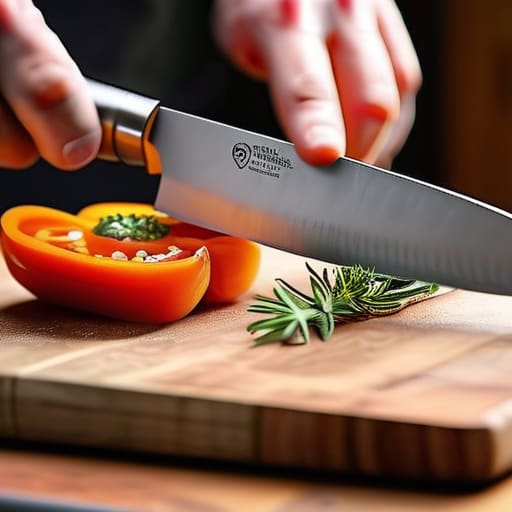
Before we dive into the actual chopping, we need to talk about your foundation: the knife. I remember being so intimidated by my professional-grade chef’s knife when I first started out, but honestly, mastering a few knife skills for beginners is what changed everything for me. The most important thing is your grip. Instead of holding the handle like a hammer (believe me, I’ve been there!), try the “pinch grip.” Grip the base of the blade between your thumb and index finger. This gives you way more control and prevents that awkward wobbling that leads to uneven slices.
Once you feel steady, let’s focus on your non-cutting hand. You’ll want to tuck your fingertips in and use your knuckles to guide the blade—I call this the “claw.” This simple adjustment is a total game-changer for staying safe while you work. When you combine a solid grip with a stable claw, you’ll start noticing much more efficient chopping techniques taking hold. It might feel a little clunky at first, but don’t sweat it! Just take it slow, keep your focus, and your confidence will grow with every single onion you dice.
How to Wash Produce for a Clean Kitchen Canvas
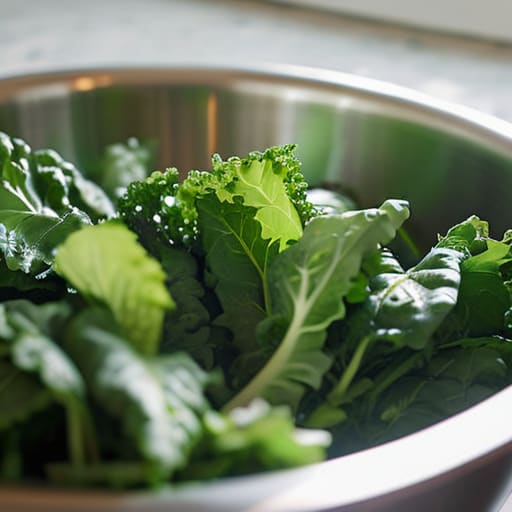
Before we even think about reaching for those knives, we have to talk about the foundation of a safe and sanitary workspace. I used to think a quick splash of water under the faucet was enough, but I’ve learned that learning how to wash produce properly is just as vital as mastering your cuts. Think of it like prepping a canvas before you start a painting; you want a clean, clear surface to work on. For leafy greens, I love using a large colander and a gentle soak in cold water to ensure all that hidden grit and sand at the bottom is gone.
Once everything is rinsed, the real secret to a successful session lies in the drying process. If you’re diving into some heavy meal prep for the week, you’ll want to make sure your veggies are bone-dry before they hit the cutting board. Excess moisture is the enemy of longevity! I always keep a stack of clean lint-free towels nearby to pat everything down. Taking these extra few minutes now ensures your hard work stays crisp and delicious for days to come.
My Secret Toolkit for Stress-Free Veggie Prep
- Set yourself up for success by gathering all your tools before you even touch a vegetable; there’s nothing more frustrating than being halfway through a pile of carrots and realizing your peeler is hiding in the back of a drawer!
- Don’t be afraid to invest in a sturdy cutting board that doesn’t slide around—I always keep a damp paper towel underneath mine to create a non-slip base, which makes a world of difference for your safety and stability.
- Embrace the “Mise en Place” mindset by prepping one ingredient at a time; it might feel a little slower at first, but having your little bowls of chopped goodness ready to go makes the actual cooking process feel like a total breeze.
- Keep a “scrap bowl” on your counter to catch all those onion skins, carrot ends, and herb stems; it keeps your workspace tidy and gives you a perfect stash of goodies to toss into a homemade veggie stock later.
- Work with your hands, not against them—if a vegetable feels too hard or awkward to slice, don’t force it; take a second to stabilize it or slice a thin piece off the side to create a flat, steady base.
Quick Wins for Your Next Kitchen Adventure
Remember that a sharp knife is actually your safest best friend; it gives you the control you need to slice through veggies without any of those scary slips!
Don’t rush the process—treat your prep work like a little moment of mindfulness, because taking your time now makes the actual cooking so much more enjoyable.
Keep your workspace tidy as you go, because a clear countertop means a clear mind, and we want to focus on the fun part: creating something delicious!
The Heart of the Kitchen
“Just like restoring a gorgeous vintage sideboard, prepping your vegetables is all about respecting the raw materials; once you take the time to prep with intention, you aren’t just making food, you’re building the foundation for something truly beautiful.”
Emily Carter
Bringing It All Together
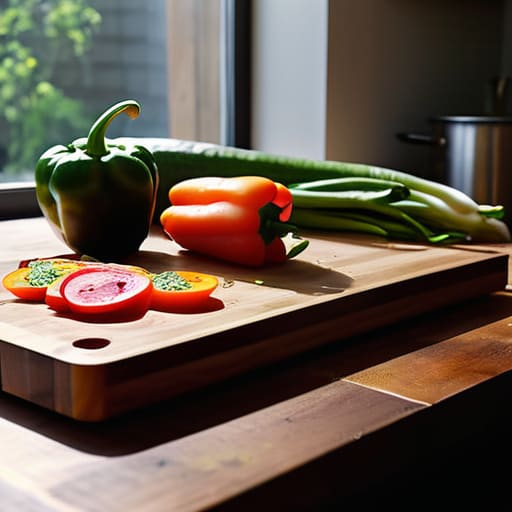
Before you turn up the heat on that stove, let’s take a quick look at how far you’ve come! We’ve covered everything from mastering those foundational knife skills that keep your fingers safe, to creating a pristine workspace by washing your produce properly. Remember, prepping your vegetables isn’t just a chore; it’s about setting the stage for a successful meal. When you take the time to respect your tools and prepare your ingredients with intention, you aren’t just cutting food—you are building a foundation for better flavors and a much more organized kitchen experience.
I know that standing over a cutting board can feel a little intimidating at first, especially if you’re worried about making a mess or losing your rhythm. But please, don’t be too hard on yourself! Just like when I was first learning to sand down an old vintage dresser, it’s all about the practice and the patience you pour into the process. Every slice you make is a step toward becoming more confident and capable in your own home. So, grab your favorite knife, clear some space on your counter, and embrace the process. I truly believe that once you find your flow, you’ll find so much joy in the simple act of creating from scratch. Let’s get cooking!
Frequently Asked Questions
I've always wondered, is there a way to prep my veggies ahead of time without them getting all soggy or losing their crunch?
Oh, I hear you! There is nothing more heartbreaking than prepping a beautiful salad only to have it turn into a soggy mess by dinner. My secret? It’s all about moisture control. For crunchy veggies like carrots or bell peppers, slice them up and store them in airtight containers with a damp paper towel to keep things crisp. If you’re prepping leafy greens, make sure they are bone-dry before storing. Trust me, your future self will thank you!
What's the best way to store all those leftover scraps—should I be tossing them, or is there a way to turn them into something useful like a veggie stock?
Oh, don’t you dare toss those scraps! Seriously, that is where the magic happens. I always keep a large silicone bag or a container in my freezer for onion skins, carrot ends, and celery tops. Once it’s full, you just simmer everything in water for a few hours, and—boom—you’ve got liquid gold! It’s the ultimate way to reduce waste and add incredible depth to your cooking without spending a dime.
My kitchen is pretty tiny, so what are some of my best options for organizing all my tools and produce so I'm not tripping over things while I work?
Oh, I feel your pain! Growing up in my family’s hardware store, I learned early on that a cluttered workspace is the enemy of creativity. In a tiny kitchen, think vertical! I love using magnetic knife strips to free up precious counter space and hanging tiered wire baskets for your onions and potatoes. If you’re really tight on room, a rolling kitchen cart is a total game-changer—it’s like having an extra island that moves with you!
