
I still remember standing in my dad’s hardware store back in Ohio, watching him meticulously sand down a piece of reclaimed oak, and thinking about how much precision matters in everything we build. I used to think that same level of intense, technical perfection applied to the kitchen, but honestly? I was wrong. I spent way too many years thinking that learning how to season food required a chemistry degree or a cabinet full of $50 artisanal spice blends that all taste exactly the same. It’s a total myth that you need a professional culinary background to make something delicious; in reality, most of that fancy hype is just a distraction from the basics.
I’m not here to give you a lecture or a list of ingredients you can’t find at your local grocery store. Instead, I want to share the practical, hands-on approach I’ve learned from years of trial, error, and a lot of tasting. We are going to strip away the intimidation and focus on the fundamental building blocks of flavor. By the time we’re done, you’ll have the confidence to trust your own palate and transform even the simplest ingredients into something truly amazing. Let’s get to work!
Table of Contents
Enhancing Natural Flavors With Essential Spice Cabinet Staples
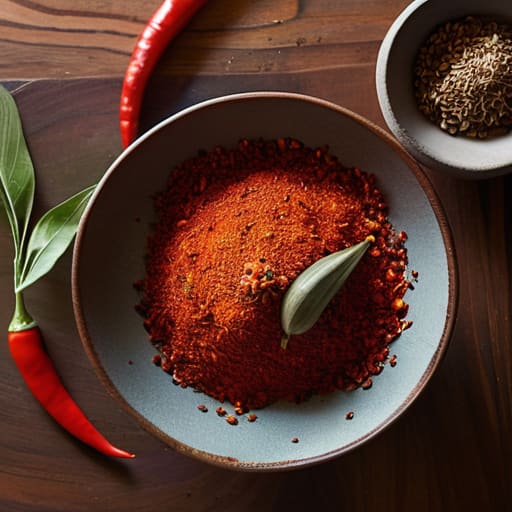
Think of your spice cabinet like my collection of vintage hammers—each tool has a specific purpose, and knowing which one to grab can completely change the outcome of your project! When you’re starting out, don’t feel like you need a hundred exotic ingredients. Instead, focus on mastering your essential spice cabinet staples like smoked paprika, cumin, garlic powder, and crushed red pepper. These are the building blocks that allow you to start layering flavors in cooking without feeling overwhelmed. By adding spices gradually, you create depth that makes a simple dish feel incredibly intentional and high-end.
It’s also super helpful to understand the subtle difference between spices and herbs so you know when to reach for what. Generally, I use dried spices to build that warm, foundational base, while I save my dried herbs for a lighter, aromatic finish. A big pro-tip from my days tinkering in my family’s hardware store: timing is everything! Just like you wouldn’t slap a finish on raw wood, you need to know when to season meat—usually starting early to let those flavors penetrate deep into the fibers.
The Beautiful Secret of Layering Flavors in Cooking
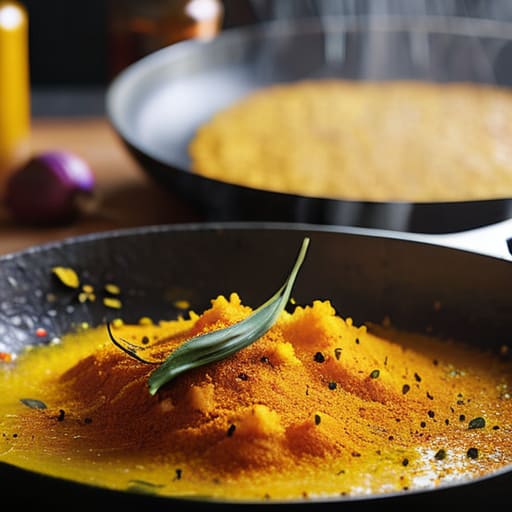
Think of seasoning your food much like how I approach a room makeover. You wouldn’t just slap one giant piece of furniture in the middle of a room and call it a design, right? You need layers! Layering flavors in cooking is all about building depth over time rather than just dumping everything in at the very end. I love starting with a base of aromatics—think onions or garlic sautéing in a pan—to create a foundation. From there, you gradually introduce your spices to build a complex profile that feels intentional and rich, rather than just one-dimensional.
One thing I’ve learned through years of trial and error in my own kitchen is the importance of balancing salt, acid, and fat. If a dish feels a little “flat” or heavy, it usually isn’t missing more salt; it’s likely craving a squeeze of lemon or a splash of vinegar to brighten things up. It’s that little bit of magic that makes the flavors pop! Understanding the difference between spices and herbs is also a total game-changer here—spices bring that deep, earthy warmth during the cooking process, while fresh herbs are like the perfect finishing touch to add a burst of life to your masterpiece.
My Golden Rules for Seasoning Like a Pro
- Don’t be afraid of salt, but treat it like a fine finish on a piece of furniture—it needs to be applied with intention. Instead of dumping it all in at once, sprinkle it in small increments as you cook. This helps the seasoning penetrate deep into the ingredients rather than just sitting on the surface, ensuring every single bite is perfectly balanced.
- Think of seasoning as a construction project where timing is everything. Some spices, like dried herbs or woody rosemary, love a long, slow simmer to really release their essence. Others, like fresh basil or delicate citrus zest, are more like the final coat of paint; add them right at the end to keep their vibrant color and punchy flavor from fading away.
- Always taste your food as you go! I know, I know, it sounds simple, but it’s the most important step in the entire process. Just like I wouldn’t finish a room without checking the lighting, you shouldn’t finish a dish without knowing exactly how it tastes. Tasting allows you to make those tiny, crucial adjustments to salt or acid before it’s too late.
- Embrace the power of acidity to brighten up a heavy dish. If you’ve followed all your steps and the flavor still feels a little “flat” or dull, don’t just reach for more salt—reach for a squeeze of lemon juice or a splash of apple cider vinegar. It acts like a bright pop of color in a neutral room, instantly waking up all those other lovely spices you’ve worked so hard to layer.
- Invest in quality, just like you would with a good set of woodworking tools. Old, dusty spices sitting in the back of your pantry for years won’t give you the results you’re looking for. Keep your spices in airtight containers and try to replace them every six to twelve months. Fresh spices bring a much more robust, soulful energy to your cooking that you can truly taste!
Quick Tips for Your Flavor Toolkit
Don’t be afraid to experiment with your spice cabinet—think of it like picking out textures for a room; it’s all about finding that perfect balance that feels right to you!
Patience is your best friend when layering flavors; take your time to let those spices bloom so you can build a delicious foundation rather than just throwing everything in at once.
Trust your instincts and your palate! Just like when I’m restoring a piece of vintage furniture, sometimes you have to tweak things as you go until it looks (and tastes) just right.
Cooking is Just Like DIY
“Think of seasoning your food much like I think of restoring a vintage piece of furniture; you don’t just slap on a coat of paint and call it a day. It’s all about those careful, intentional layers—starting with a solid foundation and slowly building up the character until everything just clicks into place!”
Emily Carter
Bringing It All Together in Your Kitchen
As we wrap things up, I want you to remember that seasoning isn’t just about following a strict recipe; it’s about understanding how your ingredients dance together. We’ve talked about building a solid foundation with those essential spice cabinet staples and, more importantly, the art of layering flavors to create depth that truly sings. Just like when I’m restoring an old vintage dresser and deciding which stain will bring out the natural grain, you are looking for that perfect balance. Don’t be intimidated by the sheer number of spices out there—start with the basics, keep experimenting with your salt and acids, and soon enough, you’ll be seasoning by instinct rather than by a printed line of text.
At the end of the day, I hope you feel empowered to step into your kitchen and really play with your food. Cooking is such a beautiful, tactile way to express yourself, and there is something so deeply rewarding about tasting a dish and knowing you were the one who brought those flavors to life. Whether you’re making a quick weeknight meal or a slow-roasted Sunday feast, remember that every mistake is just a lesson in disguise. So, grab your favorite spoon, trust your palate, and let’s keep building something delicious together!
Frequently Asked Questions
I'm always worried about overdoing it—how do I know when I've added enough salt without making the dish inedible?
Oh, I hear you! I used to be so nervous about that too—especially growing up in my dad’s hardware store, where “measure twice, cut once” was the golden rule. My best advice? Season in stages! Instead of dumping it all in at once, add a tiny pinch, stir, and actually taste it. It’s just like sanding a vintage dresser; you want to build up that finish gradually until it’s just right!
Is there a specific order I should follow when adding spices so they don't clump together or lose their punch?
That is such a great question! Think of it like layering paint in a room—you wouldn’t start with the topcoat, right? I always start with my “foundation” spices, like salt and dried herbs, early in the cooking process so they can really infuse. Save those delicate, aromatic spices—like fresh basil or delicate nutmeg—for the very end. This keeps their “punch” alive and prevents them from clumping or losing their magic!
Can you help me understand the difference between using dried spices versus fresh herbs when it comes to seasoning?
Think of it like home decor: dried spices are your foundational elements—the sturdy, reliable pieces like a classic oak table—while fresh herbs are your gorgeous accent pillows. Dried spices provide that deep, concentrated base flavor that stands up to heat. Fresh herbs, however, are delicate and bright; they’re best added at the very end to preserve their vibrant “pop.” Use both to create a space—or in this case, a dish—that feels truly complete!
