
I remember standing in my family’s hardware store back in Ohio, watching my dad meticulously organize every single screw and bolt into its perfect little bin. He used to say that if you don’t respect your tools, they won’t respect your craft—and honestly, I’ve realized that money is exactly the same way. Most “experts” out there make personal finance feel like some high-stakes, intimidating math equation that requires a PhD to solve, but that’s just total nonsense. Learning how to build good money habits shouldn’t feel like you’re being punished; it should feel like you’re finally organizing your workshop so you can actually get to the fun stuff.
I’m not here to sell you on some get-rich-quick scheme or a complicated spreadsheet that takes ten hours a week to maintain. Instead, I want to share the practical, hands-on approach I used to transition from a struggling designer to someone who actually feels in control of her future. We’re going to focus on small, intentional shifts that build a foundation as sturdy as a well-built farmhouse. Let’s roll up our sleeves and start crafting a financial life that actually supports your dreams!
Table of Contents
- Mastering Budgeting for Beginners With Love
- Understanding the Psychology of Spending Patterns
- My Toolkit for Building a Rock-Solid Financial Foundation
- My Top Tips for Building Your Financial Toolkit
- ## Building Your Financial Foundation
- Building Your Financial Masterpiece
- Frequently Asked Questions
Mastering Budgeting for Beginners With Love
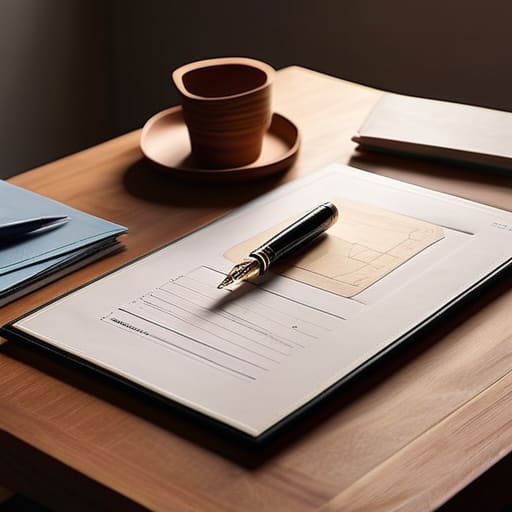
Think of your budget not as a restrictive cage, but as the blueprint for your dream home. Just like when I’m sketching out a floor plan for a client, you need to know exactly where your resources are going before you start “building.” When I first started diving into budgeting for beginners, I used to view every dollar spent as a mistake. But I’ve learned that it’s really about understanding the psychology of spending—recognizing those little emotional urges to grab that cute new vase or a trendy gadget just because it’s there.
To get started, I love using the “envelope method,” even if it’s just digital folders in my banking app. By assigning every cent a specific job—whether it’s for groceries, a new power tool, or your future rainy-day fund—you stop the leaks in your finances. If you really want to take the pressure off yourself, I highly recommend looking into automated savings strategies. Setting up a small, automatic transfer to your savings account on payday is like pre-staining a piece of wood; it does the hard work upfront so the final result looks flawless without you having to sweat the small stuff every single day!
Understanding the Psychology of Spending Patterns

Now, before we get into the nitty-gritty of spreadsheets and apps, I want to talk about something a little more “behind the scenes.” Just like when I’m restoring an old dresser, sometimes the real work isn’t about the new paint you’re applying, but understanding the old layers underneath. When it comes to your wallet, that means diving into the psychology of spending. We often think our purchases are purely logical, but most of the time, we’re actually reacting to emotions. Have you ever walked into a store feeling stressed and walked out with a beautiful new candle or a gadget you didn’t actually need? That’s not a lack of willpower; it’s just your brain looking for a quick hit of dopamine.
Once you start recognizing these triggers, you can begin reducing impulse buying by creating a little “buffer zone” between the urge to shop and the actual checkout. I like to treat my spending like a DIY project: you wouldn’t start hammering without a plan, so don’t start spending without a moment of reflection. By understanding why we reach for our wallets in certain moments, we can move from reactive spending to intentional living.
My Toolkit for Building a Rock-Solid Financial Foundation
- Treat your savings like a vintage furniture restoration project; you can’t rush the process, so start with small, consistent layers of savings every single month to build that beautiful base.
- Set up “automatic” habits just like I do with my power tools—automate your transfers to your savings account so you don’t even have to think about it, making the right choice the easiest one.
- Audit your subscriptions with the same eye I use when I’m scouting for junk at a flea market; if you aren’t using it or it doesn’t add value to your life, let it go to clear out the clutter.
- Create a “project fund” for your big dreams, whether that’s a kitchen remodel or a dream vacation, so you’re working toward a tangible goal instead of just feeling like you’re restricting yourself.
- Practice the 24-hour rule before any big purchase, much like I wait before buying a new piece of hardware—it gives you that crucial time to decide if it’s a must-have tool or just a passing impulse.
My Top Tips for Building Your Financial Toolkit
Treat your budget like a blueprint; it’s not about restricting your creativity, but about creating a solid foundation so you can build the life (and the home!) you’ve always dreamed of.
Get curious about your “why”—just like figuring out why a certain vintage chair catches your eye, understanding the emotions behind your spending helps you make much more intentional choices.
Embrace the process and be kind to yourself; building wealth is a long-term DIY project that requires patience, a few adjustments along the way, and a whole lot of heart.
## Building Your Financial Foundation
“Think of your money habits just like a DIY home renovation: you can’t rush the foundation if you want the structure to last. It’s not about having a perfect, polished finish overnight, but about showing up every day with the right tools and a little bit of patience to build something that truly supports the life you want to live.”
Emily Carter
Building Your Financial Masterpiece

As we wrap up this journey, I want you to take a second to look back at how far you’ve already come. We’ve talked about everything from the nuts and bolts of mastering a beginner-friendly budget to digging deep into the why behind those little impulse buys that seem to slip through our fingers. Just like when I’m tackling a tricky furniture restoration, you can’t rush the process. You have to sand down the rough edges of your spending habits and carefully apply a new layer of intentionality. Remember, building good money habits isn’t about deprivation; it’s about creating a solid foundation so that your future self can live in a space—both mentally and financially—that feels truly beautiful and secure.
Please, don’t feel like you have to have it all figured out by tomorrow morning. If you slip up and overspend on a weekend, don’t throw the whole project in the trash! Just pick up your tools, learn from the mistake, and start again with grace. Financial freedom is a lifelong DIY project, and it’s one of the most rewarding ones you will ever undertake. I truly believe that with a little patience and the right mindset, you can craft a life that is as abundant as it is intentional. You’ve got this, and I am rooting for you every single step of the way. Let’s go out there and build something amazing together!
Frequently Asked Questions
I’ve tried budgeting before and always seem to fall off the wagon by week three—how do I actually make these habits stick for the long haul?
Oh, I have been there! It’s exactly like starting a big DIY renovation—the initial excitement is huge, but the “middle slump” is where things get tricky. To make it stick, stop trying to build a perfect masterpiece overnight. Instead, treat your budget like a prototype. Start small, celebrate those tiny wins, and if you slip up, don’t scrap the whole project! Just pick up your tools and start again the next day.
How do I balance building up my savings without feeling like I’m missing out on all the fun things that make life sweet right now?
Think of your savings like a beautiful, slow-growing garden; you can’t just ignore the flowers to focus on the soil! I call this “Budgeting with Soul.” Instead of cutting out everything you love, try the 80/20 rule: automate your savings first, then treat the rest as your “joy fund.” Whether it’s a cute new thrifted lamp or a coffee date, if it’s in the budget, enjoy it guilt-free!
What are some simple, low-stress ways to start tracking my spending if a traditional spreadsheet feels way too overwhelming?
If a spreadsheet feels like staring at a daunting, unfinished renovation project, don’t sweat it! Let’s try something more tactile. Try the “envelope method” with cash for your tricky categories like groceries or dining out—it’s so satisfying to see the physical limit. Or, honestly, just use a simple notes app on your phone to jot down every purchase the second it happens. It’s all about finding a rhythm that feels natural, not forced!
