
I still remember being ten years old in my dad’s hardware store back in Ohio, the air thick with the scent of sawdust and motor oil, watching him pull a perfectly worn hammer from his belt like it was a magic wand. I used to think that to be a “real” maker, I’d need a garage full of those massive, industrial-grade power stations that cost more than my first car. But let me tell you a secret: most of those expensive, shiny gadgets are just marketing fluff designed to drain your bank account. When you’re actually staring down a weekend project, you don’t need a warehouse; you just need the right essential tools for diy that actually work the way they’re supposed to.
I’m not here to sell you on a lifestyle or convince you that you need every single attachment in the catalog. Instead, I’m making you a promise: I’m going to share the honest, no-nonsense kit I’ve built through years of interior design and furniture restoration. We’re going to focus on the reliable, high-quality basics that will actually empower you to build something beautiful. Let’s cut through the noise and get you ready to start creating!
Table of Contents
Curating Your First Beginner Home Improvement Toolkit
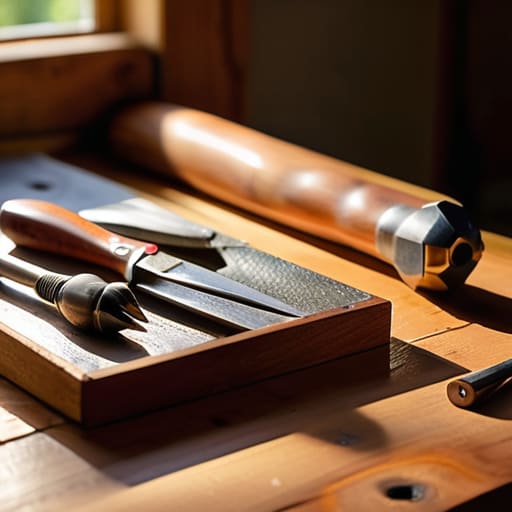
When you’re first starting out, it’s so easy to walk into a big-box hardware store and feel completely overwhelmed by the endless aisles of shiny gadgets. I remember being that kid back in my parents’ shop, staring at rows of wrenches and wondering where to even begin! My biggest piece of advice? Don’t feel like you need to buy everything at once. Instead, focus on building a solid beginner home improvement toolkit that covers the basics. You really only need a handful of reliable items to tackle most of those small weekend refreshes you’ve been dreaming about.
A common question I get in my inbox is whether to invest in heavy machinery right away or stick to the basics. Honestly, understanding the balance between hand tools vs power tools is a total game-changer. While a cordless drill is a lifesaver for hanging shelves, there is something so satisfying—and much more precise—about using a manual screwdriver or a classic hammer. Start with a few high-quality manual tools first; they’re much more forgiving while you’re still finding your rhythm, and they won’t break the bank!
Finding Balance Between Hand Tools vs Power Tools
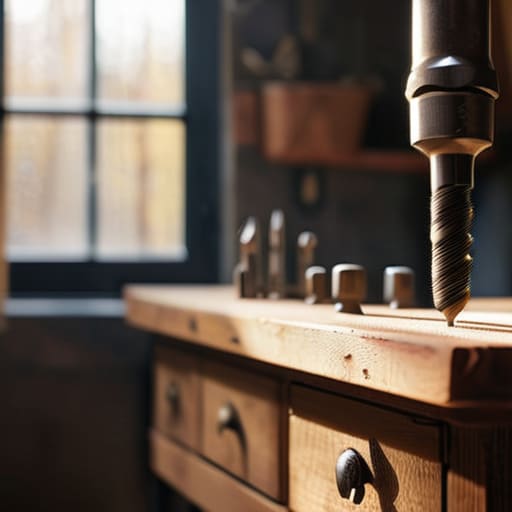
One of the most common questions I get from my readers is whether they should invest in a massive drill set or stick to a simple screwdriver. When you’re weighing hand tools vs power tools, the secret is realizing that neither is “better”—they just play different roles in your creative process. I always tell my friends that hand tools are your best companions for precision and those delicate, detailed tasks, like when I’m restoring a vintage side table and need to avoid stripping a tiny screw. They are also much easier on your wallet when you’re building a budget friendly diy equipment collection.
However, if you’re looking to tackle larger projects, like hanging shelving or assembling flat-pack furniture, power tools are absolute game-changers for saving your wrists from fatigue! You don’t need a garage full of heavy machinery to start; a decent cordless drill is one of those true home maintenance tool essentials that will make you feel like a pro in no time. My advice? Start with a solid foundation of manual tools for control, and then slowly add power tools as your confidence—and your projects—grow.
My Golden Rules for Building a Tool Collection You'll Actually Love Using
- Quality over quantity, every single time. I know it’s tempting to grab those massive, cheap tool sets from the big-box stores, but trust me—it’s much better to save up for one really solid hammer or a reliable drill than to have a drawer full of tools that break halfway through your project.
- Don’t be afraid to borrow before you buy. Growing up in my dad’s hardware store, I learned that you don’t need to own every specialized gadget right away. If you’re only planning to use a tile saw once a year, ask a neighbor or rent one! It keeps your budget intact and your workspace clutter-free.
- Invest in a good measuring tape and actually learn to use it. It sounds simple, right? But I’ve seen so many beautiful projects go sideways just because of a “close enough” measurement. A high-quality, locking tape measure is going to be your absolute best friend.
- Always keep a dedicated “project station” or a sturdy organizer. There is nothing more frustrating (or dangerous!) than hunting for a screwdriver when you’re in the middle of a creative flow. Keeping your essentials in one spot makes the whole process feel much more intentional and fun.
- Listen to your tools and your hands. If a drill feels like it’s struggling or your hand starts cramping from a poorly designed grip, take a break. Learning the “feel” of your tools is part of the craft, and it’s how you prevent those DIY headaches before they even start!
Quick Tips to Keep You Moving Forward
Start small and focus on quality over quantity; it’s much better to have one reliable hammer that feels right in your hand than a cheap set of ten that won’t last your first project.
Don’t let the fear of power tools hold you back, but always remember that mastering your hand tools first is the best way to build the “feel” and confidence you’ll need later on.
Treat your tools like your creative partners—keep them clean, organized, and well-maintained, and they’ll be ready to help you tackle whatever beautiful transformation you dream up next!
## The Heart of Every Project
“At the end of the day, your tools aren’t just pieces of metal and plastic in a box; they are the bridge between a tiny spark of an idea in your head and the beautiful, tangible reality of a home you’ve built with your own two hands.”
Emily Carter
Ready to Grab Your Hammer?
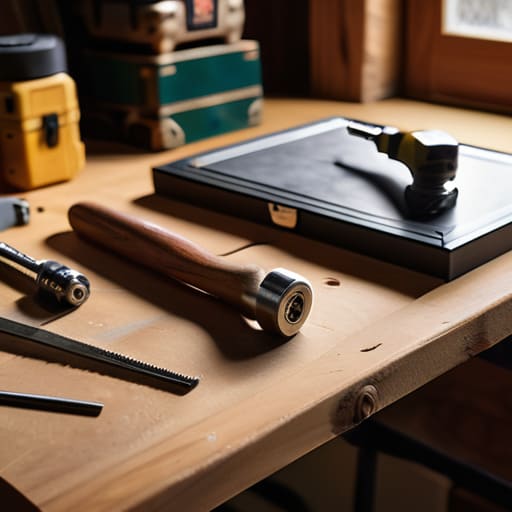
I know that looking at a long list of hardware can feel a little overwhelming at first, but remember that you don’t need a workshop full of professional-grade machinery to make a real impact. We’ve talked about building a foundation with those essential beginner tools, finding that sweet spot between the control of hand tools and the efficiency of power tools, and most importantly, investing in quality over quantity. You don’t need to buy everything in the catalog today; instead, focus on building a toolkit that grows with you as your confidence increases. Just take it one project at a time, and before you know it, you’ll be looking at your shelves and realizing just how much you’ve actually accomplished.
At the end of the day, the tools are just the means to an end—the real magic happens in your hands and your imagination. Whether you’re restoring a vintage mid-century dresser I found at a thrift store or finally hanging those floating shelves you’ve been dreaming about, please don’t be afraid to make mistakes. Every little mishap is just a lesson that makes you a better maker. I truly believe that anyone can transform their space with a little bit of grit and a lot of heart. So, pick up that screwdriver, clear off your workspace, and let’s go make something beautiful together!
Frequently Asked Questions
I'm on a tight budget—should I invest in one high-quality drill or buy a bunch of cheaper starter sets?
Oh, I have been exactly where you are! Growing up in my family’s hardware store, I saw people make this mistake all the time. Honestly? Go for the one high-quality drill. It might sting your wallet a little more upfront, but a reliable, powerful drill will actually last you through years of projects. Cheap sets tend to burn out right when you’re mid-task, and nothing is more frustrating than a tool that quits on you!
Is there a specific way I should store all these new tools so they don't just end up in a messy pile in my garage?
Oh, I have been there! There is nothing more discouraging than digging through a chaotic pile of metal just to find your favorite screwdriver. Since my family owned a hardware store, I learned early on that organization is actually part of the craft. I love using pegboards—they turn your tools into a beautiful, functional wall display! If you’re short on space, a sturdy rolling tool chest or even some clear, labeled bins work wonders.
Since I'm a total beginner, how do I know if a tool is safe to use, or am I going to accidentally break something?
Oh, I hear you! That “what if I break it?” feeling is something even my seasoned pros get sometimes. Honestly, the best way to stay safe is to treat every tool with respect—always read the manual first, and never rush a cut. If something feels “off” or a tool is making a weird noise, just stop. It’s much better to ask a question or watch a quick tutorial than to force it!
