
I still remember the exact moment it hit me: I was digging through my fridge after a long week of DIY projects, only to find a bag of wilted, slimy spinach and a carton of milk that had turned way past its prime. It felt like I was literally throwing money straight into the trash, and honestly, it stung. We’ve all been there, staring at a countertop full of forgotten produce and wondering how to reduce food waste without turning our kitchens into a high-maintenance science lab. I’m so tired of those “perfect” influencers telling you that you need expensive glass canisters and a three-step composting system just to keep a strawberry fresh for two days.
I’m not here to sell you on a lifestyle overhaul that feels like a chore; I’m here to share the real-world tactics that actually work in a busy, messy, beautiful home. We’re going to dive into some practical, no-nonsense strategies—from clever storage hacks to simple meal-planning shifts—that will help you honor your groceries and your budget. Let’s stop the cycle of guilt and start building better habits together, one meal at a time!
Table of Contents
Mastering Meal Planning for Beginners
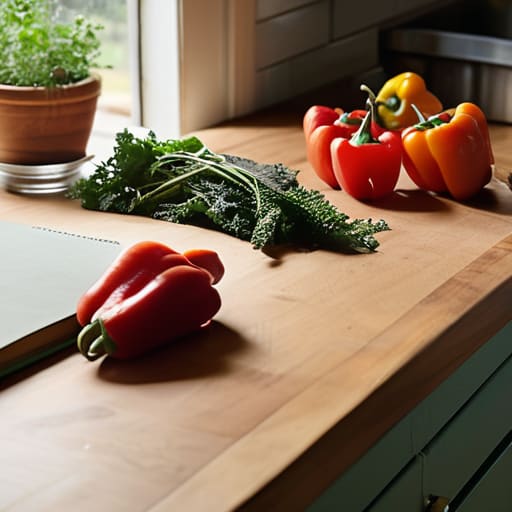
Now, let’s get down to the nitty-gritty! If you’re feeling a bit overwhelmed, don’t worry—meal planning for beginners isn’t about being a master chef or having a perfectly curated pantry. For me, it really started when I realized I was buying gorgeous produce only to watch it wilt in the crisper drawer. I started by simply looking at what I already had in my cupboards before heading to the store. It’s a total game-changer for reducing grocery bills and ensures you’re only buying what you actually intend to cook.
I like to think of my weekly plan like a blueprint for a room; you need a solid foundation before you start adding the decorative details. Start small by picking just three or four core meals for the week. This prevents that “decision fatigue” that leads to last-minute takeout orders. As you get more comfortable, you can start incorporating more sustainable kitchen habits, like planning meals around seasonal ingredients or utilizing those “leftover” scraps for a quick stir-fry. Remember, it’s all about progress, not perfection!
Sustainable Kitchen Habits for Your Home
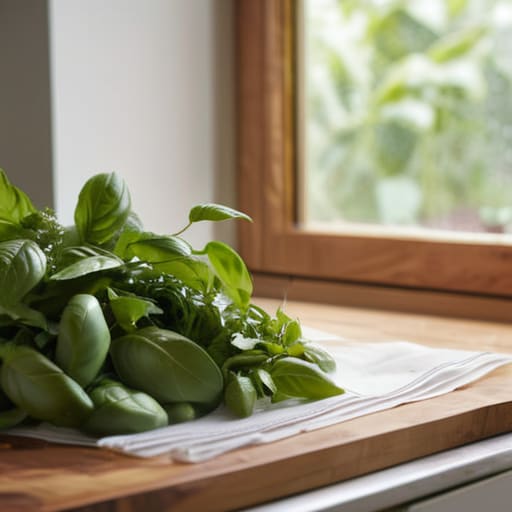
Once you’ve got your meal plan dialed in, it’s time to look at the day-to-day rhythm of your kitchen. Developing sustainable kitchen habits isn’t about being perfect; it’s about being intentional with what you bring into your home. One of my biggest game-changers was finally mastering proper food storage techniques. I used to just toss everything in the crisper drawer and hope for the best, but I’ve learned that treating your produce with a little respect—like wrapping herbs in damp paper towels or keeping onions away from potatoes—makes a world of difference in how long things stay fresh.
I also want to talk about something that used to trip me up: the labels on our packaging. I spent years tossing perfectly good yogurt because I was misunderstanding expiration dates. Most of those “sell by” dates are more about peak quality than actual safety! If you pair that awareness with a little composting at home, you’re essentially closing the loop. Even if you’re in a small apartment, a tiny countertop bin can turn those veggie scraps into something useful rather than just adding to the landfill. It feels so rewarding to see your kitchen run like a well-oiled machine!
5 Clever Ways to Give Your Ingredients a Second Life
- Get creative with “scraps” by turning veggie ends and herb stems into a homemade stock; just simmer them in water with a little salt, and you’ve got liquid gold for your next soup!
- Don’t let those slightly wilted greens go to waste—toss them into a smoothie or sauté them with a little garlic and olive oil to revive their texture and flavor.
- Master the art of the “kitchen sink” meal, like a frittata or a stir-fry, where you can use up those random bits of cheese, half-onions, or leftover proteins sitting in the fridge.
- Use your freezer as a time capsule by freezing overripe bananas for smoothies or extra portions of sauces and grains so they stay fresh until you’re actually ready to use them.
- Organize your fridge with a “use me first” bin, a little designated spot for those items nearing their expiration date so they don’t get lost in the back of the shelf.
Quick Wins for a Less Wasteful Kitchen
Treat your fridge like a treasure chest—get creative with those “leftover” veggies by tossing them into a hearty soup or a colorful stir-fry instead of letting them wilt in the crisper drawer!
Get into the habit of a little weekly “inventory check” before you head to the grocery store; knowing exactly what you already have on hand is the best way to avoid buying duplicates and accidental waste.
Don’t be afraid to embrace the art of preservation, whether it’s freezing extra herbs in olive oil or turning overripe fruit into a delicious homemade jam!
A Little Love for Your Leftovers
“Think of your kitchen like a workshop: when we stop seeing scraps as trash and start seeing them as raw materials for our next great meal, we aren’t just saving money—we’re honoring the craft of cooking and being a little kinder to our planet, too.”
Emily Carter
Bringing It All Home
I know it can feel a little overwhelming when you first look at the mountain of changes we’ve discussed, but remember that you don’t have to do everything overnight. From mastering that weekly meal plan to getting a little more intentional with how you store your veggies, every small adjustment counts. We’ve talked about how much of a difference it makes to shop with a purpose and how those little sustainable habits in your kitchen can really add up over time. It’s not about being a perfectly zero-waste pro from day one; it’s really just about being a bit more mindful of what we bring into our homes and how we use it.
At the end of the day, reducing food waste is so much more than just a way to save a few extra dollars at the grocery store—it’s a way to honor the resources we have. Just like when I’m restoring an old, weathered dresser, there is so much beauty and potential in things that others might just toss aside. When we approach our kitchens with a bit of creativity and patience, we transform our daily routines into something truly meaningful. So, grab your grocery list, clear out that crisper drawer, and let’s start building a more sustainable, beautiful life together, one meal at a time!
Frequently Asked Questions
I've tried meal planning before but always end up with random leftovers—how do I actually make it stick without feeling overwhelmed?
Oh, I have been there! Honestly, I used to have a fridge full of “mystery Tupperware” too. The secret is to stop trying to plan every single bite and instead, plan for flexibility. Try “component prepping”—roast a big batch of veggies or cook some grains ahead of time. That way, if your plans shift, you aren’t starting from scratch. It’s all about building a toolkit, not a rigid rulebook!
What are some easy, budget-friendly ways to store my veggies so they actually stay fresh instead of turning into mush in the crisper drawer?
Oh, the dreaded “mushy veggie” tragedy! I’ve been there, and trust me, it’s a heartbreak. To keep things crisp, try storing leafy greens in a glass jar with a little water—it’s like a little spa day for your kale! For herbs, treat them like flowers in a bud vase. Also, keep your onions and potatoes in separate, dark spots; if they hang out together, they’ll make each other spoil way faster. Let’s save those veggies!
If I do end up with scraps that aren't quite "meal-ready," are there any creative ways to upcycle them into something useful for the house?
Oh, I love this question! This is where that “tinkering” spirit really comes in handy. If your scraps aren’t quite dinner-ready, don’t toss them! You can simmer veggie ends into a rich, homemade stock for future soups, or even use citrus peels to make a DIY all-purpose cleaner. It’s just like restoring a vintage chair—you’re taking something overlooked and giving it a whole new purpose. Let’s make something useful out of it!
