
I remember standing in my dad’s hardware store back in Ohio, surrounded by the scent of sawdust and fresh pine, trying to lift a heavy crate of vintage brass pulls only to feel a sharp, unforgiving twinge shoot through my lower back. I used to think that being “tough” meant powering through that stiffness, or that I needed some expensive, high-tech yoga retreat to fix it. But honestly? All that hype about fancy equipment is just noise. The real benefits of stretching aren’t found in a boutique studio with overpriced leggings; they’re found in the simple, gritty reality of keeping your body limber enough to actually enjoy the projects you love.
I’m not here to sell you a lifestyle overhaul or a complicated twenty-step routine that feels like a chore. Instead, I want to share the practical, no-nonsense ways I use movement to stay functional—from the quick reaches I do while sanding furniture to the deep resets that save my spine after a long day of DIY. I promise to give you the straight-up truth about how to incorporate these habits into your busy life, so you can stop fighting your own body and get back to building something amazing.
Table of Contents
- Finding Relief Through Deep Muscle Tension Relief
- Improving Range of Motion for Your Daily Projects
- My Secret Toolkit for Staying Limber and Project-Ready
- Making Stretching a Part of Your Creative Toolkit
- The Foundation of Every Good Project
- Making Movement Part of Your Toolkit
- Frequently Asked Questions
Finding Relief Through Deep Muscle Tension Relief

If you’ve ever spent a long afternoon hunched over a sanding block or meticulously painting crown molding, you know that specific, nagging ache that settles deep in your shoulders. It’s that tightness that makes you feel like you’re wearing a heavy vest you just can’t take off. For me, finding real muscle tension relief isn’t just about a quick pull on a muscle; it’s about learning to breathe into those tight spots. When we hold onto that stress, our bodies start to feel stiff and uncooperative, almost like a piece of old wood that’s been sitting in a damp garage for too long.
To really loosen things up, I like to focus on slow, intentional movements that target those stubborn knots. It’s not just about feeling better in the moment; it’s a vital part of stretching for injury prevention. If we don’t address that deep-seated tightness, we’re much more likely to pull something when we’re mid-project. Think of it as maintaining your most important tool—your body. By taking the time to release that pressure, you’re ensuring you have the stamina to keep creating for years to come.
Improving Range of Motion for Your Daily Projects
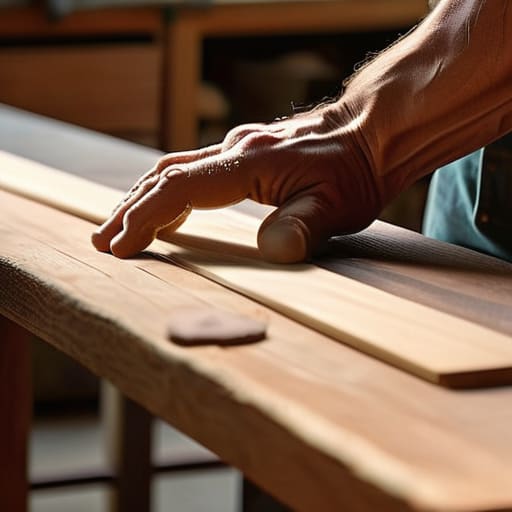
If you’ve ever spent a whole afternoon hunched over a sanding block or maneuvering a heavy piece of vintage furniture, you know that stiffness can set in faster than a coat of primer. For us DIYers, improving range of motion isn’t just about fitness; it’s about functional longevity. When your joints feel fluid, you can reach that awkward corner in a cabinet or hold a drill steady without your shoulders screaming at you. I’ve found that incorporating a few movements into my routine helps me maintain the dexterity needed for those fine, detailed tasks that require a steady hand.
I also love to talk about the difference between dynamic vs static stretching when I’m prepping for a big project. Before I jump into the heavy lifting or repetitive sawing, I like to do some light, active movements to get my blood flowing. This kind of movement acts like a warm-up for your muscles, ensuring they are ready for the physical demands of the job. By prioritizing these little habits, you aren’t just working on your body—you’re actually stretching for injury prevention, making sure you can keep creating for many years to come!
My Secret Toolkit for Staying Limber and Project-Ready
- Listen to your body’s “blueprints.” Just like you wouldn’t force a piece of vintage wood to bend without prepping it first, don’t push a stretch if it feels sharp or wrong. Gentle tension is your friend, but pain is a sign to back off and reassess.
- Think of stretching as your pre-project warm-up. Before I pick up a heavy sander or spend hours hunched over a refinishing project, I spend five minutes loosening my shoulders and wrists. It’s the best way to prevent that end-of-day stiffness from setting in.
- Consistency beats intensity every single time. You don’t need to do a grueling hour-long yoga session to see results; even five minutes of mindful movement while your wood glue sets can make a massive difference in how your joints feel.
- Use your breathing as your steady hand. When you’re holding a deep stretch, try to breathe deeply into your belly rather than holding your breath. It helps your nervous system relax, allowing those tight muscles to actually let go instead of fighting against you.
- Incorporate movement into your “workday,” even if that workday is just a DIY marathon. If you’ve been kneeling on the floor to work on a coffee table, make sure to stand up and do a gentle back extension every thirty minutes to keep your spine from locking up.
Making Stretching a Part of Your Creative Toolkit
Think of stretching as the essential prep work for your body; just like sanding a piece of wood before you paint it, loosening up your muscles ensures your “foundation” is ready for the heavy lifting ahead.
Don’t view flexibility as just a fitness goal, but as a way to protect your craft—better range of motion means you can reach, bend, and maneuver through those tricky DIY projects without the nagging aches and pains.
Consistency beats intensity every single time, so aim for small, daily stretches that help you stay limber and ready to tackle whatever beautiful thing you decide to build next.
The Foundation of Every Good Project
“Think of stretching just like prepping a piece of vintage wood before you sand it; if you don’t take the time to loosen up the tension and smooth out the rough edges, you’re never going to get the beautiful, fluid results you’re working so hard for.”
Emily Carter
Making Movement Part of Your Toolkit
At the end of the day, stretching isn’t just some extra chore to add to your to-do list; it’s more like prepping your workspace before you dive into a big project. We’ve talked about how much of a difference it makes when you’re actively seeking relief from that nagging muscle tension and how much easier it is to navigate your home—whether you’re reaching for a high shelf or kneeling on the floor to sand a vintage chair—when your range of motion is actually there to support you. By prioritizing these small moments of movement, you’re essentially maintaining your most important tool: your own body. It’s about ensuring that you have the physical longevity to keep creating, building, and transforming your space for years to come.
I know that sometimes, after a long day of DIY or just a busy week, the last thing you want to do is roll out a mat and focus on yourself. But I promise you, just like how a little bit of sandpaper can turn a rough surface into something smooth and beautiful, a little bit of intentional stretching can completely transform how you feel in your own skin. Don’t feel like you have to be a yoga expert to see the benefits; just start small, be patient with yourself, and listen to what your body is telling you. You have so much creativity left to give the world, so let’s make sure you’re feeling your absolute best while you do it. Let’s keep building!
Frequently Asked Questions
Is it better to stretch before I start a big DIY project to warm up, or should I save the deep stretching for when I'm winding down after the work is done?
Think of it like prepping your workspace: you wouldn’t start sanding without checking your tools, right? I always recommend a light, dynamic warm-up before diving into a big project to get the blood flowing and your joints ready for action. Save those deep, restorative stretches for when you’re winding down afterward. It’s the perfect way to tell your body, “Great job today,” and help those hardworking muscles truly relax.
I sometimes feel a bit of discomfort when I'm stretching; how do I know the difference between a "good" productive stretch and when I'm actually pushing myself too far?
That is such a great question, and honestly, I’ve been there too! Think of it like sanding a vintage dresser: you want to feel that resistance, but if you press too hard, you’ll ruin the wood. A “good” stretch should feel like a gentle pull or a slight tension—that’s your muscles waking up. But if you feel sharp, stabbing, or pinching pain, stop immediately. That’s your body’s way of saying, “Slow down, Emily!”
Do I really need to follow a specific routine, or can I just stretch whenever I feel a bit stiff while I'm working at my workbench?
That is such a great question! Honestly, it’s a bit of both. Think of a routine like prepping your wood before staining—it sets a solid foundation. A quick morning flow gets your body ready for the day, but those “micro-stretches” at your workbench are absolute lifesavers. If you feel that tightness creeping in while you’re sanding or assembling, don’t push through it! Stop, take a minute, and loosen up. Listen to your body!
