
I remember sitting on the floor of my dad’s hardware store back in Ohio, surrounded by the scent of sawdust and freshly cut timber, thinking that if I could master a circular saw, I could master anything. But honestly? Trying to figure out how to eat more vegetables felt a lot more intimidating than any home renovation project I’ve ever tackled. I used to think it meant spending my entire Saturday meal-prepping bland, steamed broccoli in massive plastic containers, or buying those ridiculous, overpriced “superfood” powders that taste more like chalk than anything grown in actual soil. It felt like a chore I wasn’t equipped for, rather than a creative way to fuel my body.
I’m not here to give you a lecture on nutrition or sell you a magic lifestyle cure. Instead, I want to approach your plate the same way I approach a vintage furniture restoration: with the right tools, a solid plan, and a little bit of elbow grease. I’m going to share the practical, no-nonsense hacks I’ve learned to make veggies actually taste good and fit seamlessly into a busy life. Let’s stop overcomplicating things and start building a better foundation for your health, one delicious bite at a time!
Table of Contents
- Hidden Ways to Add Veggies to Your Favorite Comfort Foods
- Easy Vegetable Recipes for Beginners to Start Your Journey
- My Toolbox for Success: 5 Simple Ways to Master Your Veggie Game
- My Top Tips for Building Your Veggie Foundation
- Building a Better Foundation
- Building Your New Foundation
- Frequently Asked Questions
Hidden Ways to Add Veggies to Your Favorite Comfort Foods
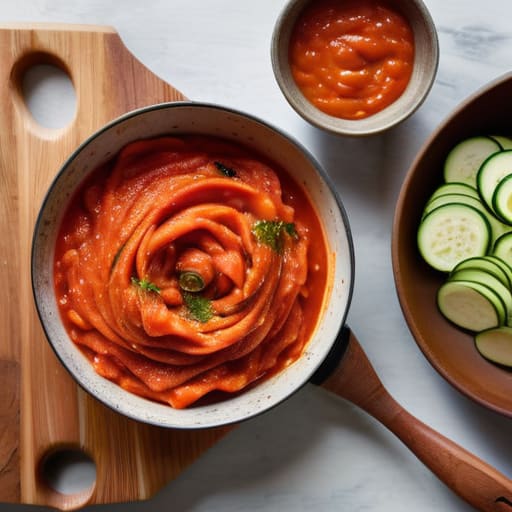
Now, I know what you’re thinking—you love your cozy pasta nights and hearty stews, but the thought of a giant kale salad feels a little daunting. Trust me, I get it! Just like when I’m restoring a vintage dresser, sometimes the best transformations happen under the surface. One of my favorite hidden ways to add veggies is by finely grating zucchini or carrots directly into your marinara sauce or meatloaf. Once it’s simmered down, they practically melt away, adding incredible moisture without changing the flavor profile you love. It’s a total game-changer for increasing fiber intake without even realizing you’re doing it!
If you’re a fan of breakfast, try blending a handful of spinach into your morning smoothie or even whisking some pureed cauliflower into your pancake batter. It sounds a bit wild, I know, but it’s one of those easy vegetable recipes for beginners that actually works wonders for texture. Think of it like adding a fresh coat of primer before the final paint—it creates a much stronger, healthier foundation for everything else you’re building in your kitchen!
Easy Vegetable Recipes for Beginners to Start Your Journey
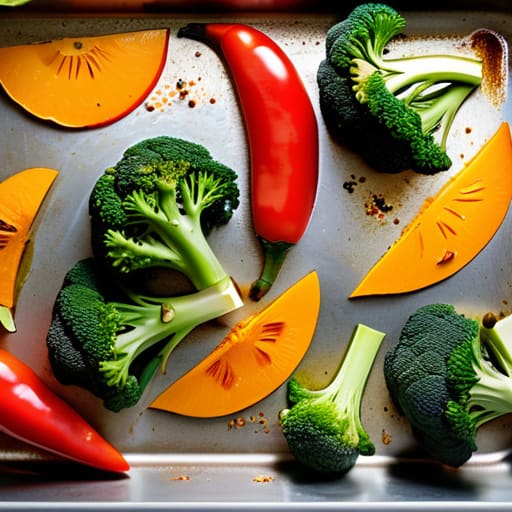
If you’re feeling a little intimidated by the idea of a complete kitchen overhaul, don’t worry—we aren’t rebuilding the whole house here, just adding a few new finishing touches! I always tell my readers that the best way to start is with easy vegetable recipes for beginners that don’t require a culinary degree. Start with something as simple as a sheet-pan roast. Toss some broccoli florets, sliced bell peppers, and sweet potato chunks in olive oil, sea salt, and a dash of garlic powder, then let the oven do the heavy lifting. It’s a foolproof way to get those nutrients in without a mountain of dishes.
Another trick I swear by when I’m busy is leaning into vegetable meal prep ideas for the week ahead. I love making a big batch of roasted cauliflower or sautéed kale on Sunday evenings. You can toss these into morning omelets, mix them into pasta, or even pile them onto a sandwich. It’s much easier to succeed when the “building blocks” are already prepared and waiting for you in the fridge!
My Toolbox for Success: 5 Simple Ways to Master Your Veggie Game
- Prep your workspace ahead of time. Just like I wouldn’t start a furniture restoration without my sandpaper and brushes ready, I never start my meal prep without a drawer full of washed and chopped veggies. If that bell pepper is already sliced and waiting in a container, it’s ten times easier to toss it into a pan when you’re hungry!
- Think of veggies as “structural additions” rather than the main event. You don’t have to overhaul your entire pantry overnight. Instead, try “fortifying” your favorites—like finely grating zucchini into your pasta sauce or adding some spinach to your morning smoothie. It’s all about those small, seamless upgrades that build a stronger foundation.
- Don’t be afraid to experiment with different “finishes.” If you find boiled broccoli a bit dull, think of it like a piece of raw wood that needs a good stain. Roasting your vegetables with a little olive oil, salt, and maybe some garlic can completely transform their texture and bring out a sweetness you never knew they had.
- Keep a “multi-purpose” stash in your freezer. I swear by frozen peas, corn, and mixed medleys. They are the ultimate DIY hack for quick meals; they don’t spoil, they’re already chopped, and you can throw a handful into almost anything—from soups to stir-fries—to add instant nutrition without the stress.
- Find your “signature” veggie. We all have that one project we just love doing, right? Maybe you’re a fan of crunchy carrots or you love the earthy vibe of roasted sweet potatoes. Lean into what you actually enjoy eating first. Once you master one or two veggies you truly love, building your confidence to try more adventurous ones becomes a whole lot easier!
My Top Tips for Building Your Veggie Foundation
Think of adding vegetables like adding a new tool to your workshop—don’t try to overhaul everything at once, just start by sneaking them into the recipes you already love and know by heart.
Don’t be afraid to get your hands a little dirty with prep work; learning a few simple knife skills or roasting techniques is the secret to making veggies taste like a treat rather than a chore.
Remember that progress is better than perfection, so celebrate every small win, whether it’s a handful of spinach in your morning smoothie or a roasted veggie side dish on a Tuesday night!
Building a Better Foundation
“Think of adding more veggies to your plate just like you would when tackling a new renovation project: you don’t have to tear everything down and start from scratch. It’s all about those small, intentional layers—swapping out a few ingredients here and prepping a little extra there—until you’ve built a lifestyle that feels as good as a freshly finished room.”
Emily Carter
Building Your New Foundation
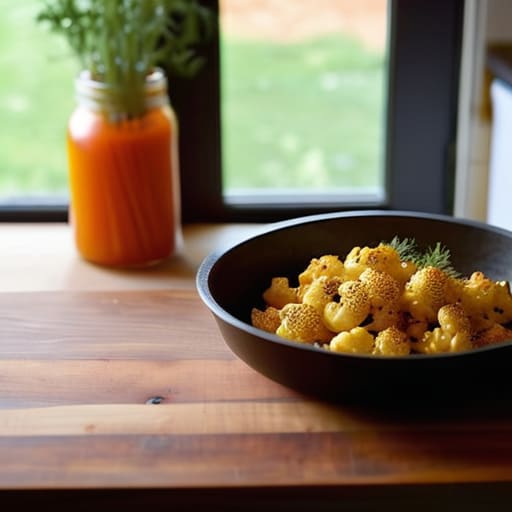
At the end of the day, adding more vegetables to your routine isn’t about a total kitchen overhaul or suddenly becoming a gourmet chef overnight. It’s much more like a home renovation project; you don’t tear down all the walls on day one! We’ve talked about how you can sneak veggies into your favorite comfort foods to keep things easy, and we explored some simple, beginner-friendly recipes that take the intimidation factor out of the equation. Whether you’re finely grating carrots into your pasta sauce or roasting a big tray of seasoned cauliflower, every single small addition is a win for your health and a step toward a more vibrant lifestyle.
I know that stepping out of your culinary comfort zone can feel a little daunting, much like picking up a power saw for the first time. But just like any craft, it gets easier with practice and a little bit of patience. Don’t get discouraged if a recipe doesn’t turn out perfectly on the first try—just grab your apron and try again tomorrow. You have all the tools you need to build a healthier, more colorful version of yourself, one delicious bite at a time. I truly believe that once you start seeing the results of your hard work, you’ll find it just as rewarding as finishing a beautiful DIY project. Let’s keep building something amazing together!
Frequently Asked Questions
I’m a bit of a picky eater—are there any specific vegetables that have a really mild flavor so I don't feel overwhelmed?
Oh, I totally get it! When I was first starting out, I used to be pretty wary of anything green, too. Think of it like working with a new wood stain—you want to start with something subtle before going full-on bold. I’d recommend starting with cauliflower, peeled cucumbers, or even zucchini. They’re like the “neutral tones” of the veggie world; they’re super mild and soak up whatever flavors you’re already loving!
If I'm on a tight schedule during the work week, what are some ways to prep my veggies ahead of time so they're actually easy to grab and go?
Think of veggie prep like setting up your workshop before a big project—if your tools are ready, the work is so much smoother! I love doing a “Sunday Setup.” Wash and chop everything, then toss them into clear glass containers so they’re front and center in your fridge. You can even roast a big batch of sweet potatoes or broccoli ahead of time. It’s all about making that healthy choice the easiest one!
I'm worried about everything tasting mushy; do you have any tips for keeping vegetables crisp and flavorful when I'm cooking them?
Oh, I hear you! There is nothing worse than a sad, mushy pile of overcooked broccoli. Think of cooking veggies like working with wood—if you go too heavy with the sander, you lose all the detail! To keep that perfect snap, try roasting at a higher heat for a shorter time, or just quick-sauteing them in a hot pan with a little oil. Always wait to add salt until the very end to prevent them from drawing out moisture!
