
I remember sitting on my workshop floor three years ago, surrounded by the sawdust of a failed mid-century dresser restoration and feeling like my entire life was just as splintered and unfixable. My hands were shaking, not from the heavy lifting, but from the sheer exhaustion of trying to keep everything together when it felt like the foundation was cracking. We often treat mental health like some high-end, luxury interior design project—something that requires expensive retreats or a complete life overhaul to fix. But I’ve learned that figuring out how to build mental resilience isn’t about buying a whole new lifestyle; it’s more like sanding down a rough surface. It’s gritty, it’s a little messy, and it takes a lot of steady, repetitive work to get it right.
I’m not here to give you any of that polished, “just think positive” fluff that you see in glossy magazines. Instead, I want to share the practical, hands-on tools I’ve used to steady myself when life gets heavy. We’re going to look at how to build mental resilience by focusing on small, manageable shifts—the kind of incremental progress that actually holds up when the storm hits. Let’s roll up our sleeves and get to work.
Table of Contents
- Mastering Emotional Regulation Techniques for a Steady Hand
- Cultivating Growth Mindset Development Through Every Mistake
- Building Your Inner Foundation: 5 Essential Tools for Resilience
- My Toolkit for Staying Resilient
- ## Building Your Inner Foundation
- Finishing Strong: Your Toolkit for Life
- Frequently Asked Questions
Mastering Emotional Regulation Techniques for a Steady Hand
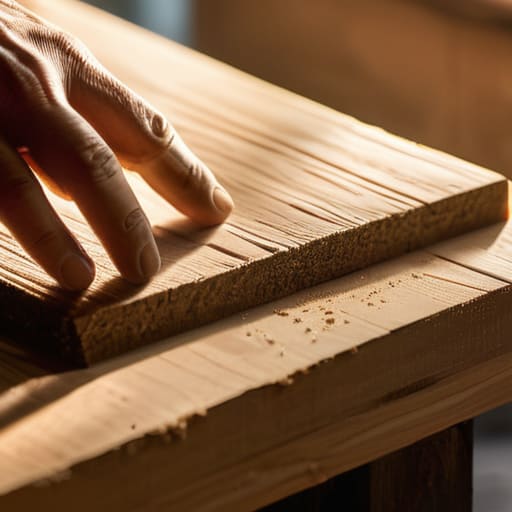
When I was first learning to sand down a stubborn piece of vintage oak, I quickly realized that if I let my frustration take over, I’d end up gouging the wood instead of smoothing it. Life is exactly the same. When things get overwhelming, we need to find our version of a steady hand. Practicing specific emotional regulation techniques is like choosing the right grit for your sandpaper; it helps you smooth out those sharp, reactive edges so you can approach problems with a clearer head. Instead of letting a sudden setback derail your entire day, try to pause and breathe, giving yourself the space to respond rather than just react.
Building this kind of psychological flexibility doesn’t happen overnight, but it is such a rewarding process. Think of it as developing your muscle memory for the soul. By implementing healthy coping mechanisms for stress, like journaling or even just stepping away from a project for ten minutes, you’re essentially training your brain to stay calm under pressure. It’s all about learning to navigate the rough patches without losing your grip on the bigger picture.
Cultivating Growth Mindset Development Through Every Mistake
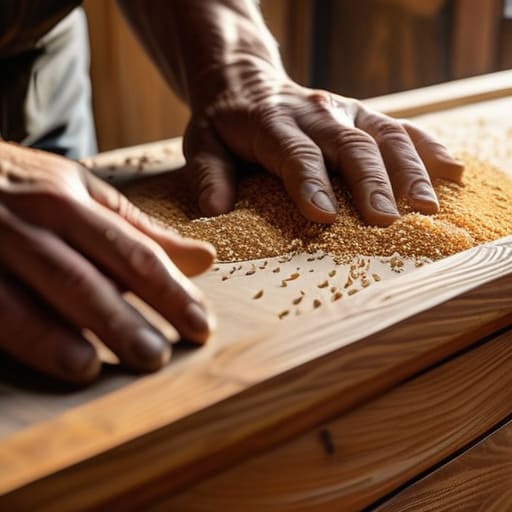
If there’s one thing my years of restoring vintage furniture have taught me, it’s that a mistake isn’t a disaster—it’s just a pivot point. I remember this one mid-century dresser where I accidentally applied way too much stain, turning a beautiful cherry wood into something that looked more like a dark blotch. My first instinct was to scrap the whole thing, but instead, I leaned into growth mindset development. I realized that the “error” was actually an opportunity to learn about wood grain and layering. When we treat our personal setbacks like a botched sanding job, we stop seeing them as failures and start seeing them as necessary steps in the process.
Instead of letting a bad day derail your entire week, try to view those moments as part of your building process. Developing psychological flexibility means being able to adjust your plans when life throws a wrench in your gears, much like how you’d adjust your technique when a nail goes in crooked. It’s about realizing that every “oops” moment is actually adding a layer of strength to your character. We aren’t looking for perfection; we’re looking for progress.
Building Your Inner Foundation: 5 Essential Tools for Resilience
- Curating Your Social Support Crew: Just like you wouldn’t try to sand down a massive dining table without a second pair of hands, you shouldn’t try to carry life’s heavy lifting alone. Surrounding yourself with a “crew” of supportive friends and family provides the structural integrity you need when things get shaky.
- Practicing the Art of Micro-Wins: When I’m tackling a massive restoration project, I don’t look at the whole house; I look at one drawer at a time. Resilience works the same way. Instead of getting overwhelmed by the big picture, focus on winning the tiny, manageable moments to build your momentum.
- Setting Healthy Boundaries as Your Blueprint: Think of boundaries like the load-bearing walls of a house—they keep everything else from collapsing. Learning when to say “no” and protecting your energy isn’t selfish; it’s essential maintenance that prevents you from burning out mid-project.
- Developing a Regular Self-Care Routine: You can’t expect a power tool to work if you never charge the battery, right? Treating yourself to consistent rest, movement, and downtime isn’t a luxury; it’s the “recharging” phase that ensures you have the stamina to keep building.
- Reframing Challenges as Design Iterations: In design, a mistake is often just a pivot toward a better solution. When life throws you a curveball, try to view it as a “rough draft” rather than a finished failure. It’s just a chance to tweak your approach and try a different technique.
My Toolkit for Staying Resilient
Think of your setbacks like a sanding mishap—it’s not a disaster, just a moment to pause, adjust your technique, and try a different approach.
Building mental strength is a slow build, much like restoring a vintage piece; you won’t see the full transformation overnight, so give yourself grace during the process.
Always keep your “mental toolbox” stocked with small wins to remind yourself that you have the skills and the grit to handle whatever project life throws your way.
## Building Your Inner Foundation
“Think of mental resilience like restoring an old, weathered piece of furniture; you can’t just slap a fresh coat of paint over the cracks and call it done. You have to sand down the rough edges, address the structural weaknesses, and take the time to rebuild from the grain up. It’s not about being perfect—it’s about having the right tools and the patience to turn every setback into a beautiful part of your story.”
Emily Carter
Finishing Strong: Your Toolkit for Life
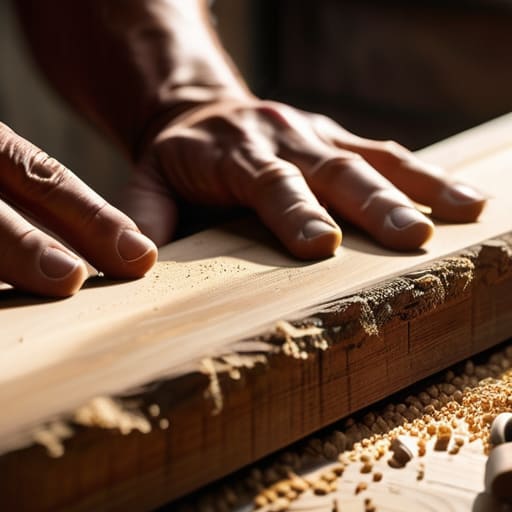
As we wrap up this project, I want you to take a second to look back at how much ground we’ve covered. We’ve talked about steadying your emotions like you’re leveling a wobbly table, and we’ve looked at how every little mistake is actually just a crucial part of the sanding process that makes the final product even better. Building mental resilience isn’t about having a perfect, flawless finish right out of the gate; it’s about having the right tools—like emotional regulation and a growth mindset—to keep going when the grain gets tough. Remember, resilience is a skill you build, not a gift you’re born with, and every time you choose to try again, you’re adding another layer of strength to your foundation.
I know that sometimes life can feel like a massive renovation project that you just aren’t prepared for, but I promise you, you have everything it takes to handle it. Just like those vintage pieces I love to restore, sometimes the most beautiful and sturdy things are the ones that have been through a little bit of wear and tear. Don’t be afraid to get your hands a little dirty or to make a mess along the way. Trust your process, be patient with yourself, and keep building. I truly believe that you are capable of creating a life that is as beautiful and resilient as any handcrafted masterpiece. Let’s keep building something amazing together!
Frequently Asked Questions
I’ve had a few of you ask—is it normal to feel like I'm taking two steps forward and one step back when I'm trying to stay positive?
Oh, I hear you loud and clear, and let me tell you: it is so normal. Honestly, it’s just like working on a big renovation. You’ll strip the old paint off a beautiful dresser, only to realize the wood underneath needs more sanding than you thought. It feels like a setback, but you aren’t actually losing ground—you’re just refining the foundation. Those “steps back” are just part of the process of building something lasting.
How do I keep from getting overwhelmed when a project (or a life situation) feels way bigger than the tools I currently have?
Oh, I have been exactly where you are! It’s that moment when you look at a massive renovation—or a huge life hurdle—and feel like you’re trying to build a deck with just a screwdriver. When things feel too big, stop looking at the whole blueprint. Just pick one small, manageable task. Whether it’s sanding one chair leg or tackling one single email, small wins build the momentum you need to find the right tools later.
Can you give me some practical ways to build this "mental muscle" on days when I just feel completely drained?
On those days when your battery is at zero, don’t try to tackle a massive renovation. Think of it like working with a stubborn piece of reclaimed wood—sometimes you have to stop sanding and just let it sit. Instead, try “micro-wins.” Pick one tiny, manageable thing, like tidying a single drawer or even just taking five deep breaths. It’s about preserving your energy while still proving to yourself that you’re still in control.
