
I remember sitting on my workshop floor last autumn, surrounded by half-finished furniture projects and a layer of sawdust that felt more like heavy ash, staring at my favorite vintage mallet and feeling absolutely nothing. I couldn’t even find the spark to pick up a sander, let alone design a room. It’s a terrifying, hollow sensation when your passion starts to feel like a chore, and honestly, I’m so tired of seeing “wellness gurus” suggest that a $15 lavender candle or a weekend spa retreat is the magic fix for how to recover from burnout. When you’re truly running on empty, those superficial band-aids don’t just fail; they feel insulting to the depth of your exhaustion.
I’m not here to sell you a lifestyle makeover or a complicated ten-step ritual that requires more energy than you actually have. Instead, I want to share the practical, hands-on way I rebuilt my spirit from the ground up, using the same patience I apply to restoring a weathered antique. We’re going to look at how to strip away the excess, sand down the rough edges of your daily routine, and slowly reclaim your creative spark without the fluff. Let’s start the restoration process together.
Table of Contents
Listening to Your Bodys Quiet Distress Signals
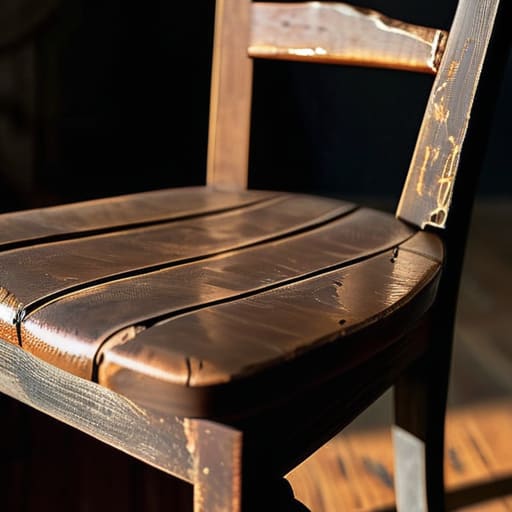
Think of your body like a piece of vintage furniture that’s been left out in the rain; you can’t just slap a fresh coat of paint on it and expect the structural issues to disappear. Often, we try to power through the fatigue, but our bodies start sending us these tiny, subtle “pings” long before a total collapse happens. You might notice you’re suddenly more irritable during a simple project, or maybe that midday slump feels less like a need for coffee and more like a heavy, soul-deep exhaustion. These are the early signs of occupational burnout that we often brush off as “just being busy,” but they are actually your internal warning lights flashing red.
I’ve learned the hard way that ignoring these whispers is a recipe for disaster. It might show up as a tension headache that won’t quit, a restless night of sleep, or even a strange sense of detachment from the things you used to love—like my favorite woodworking projects. Learning to recognize these subtle shifts in your baseline is the first step toward real healing. Instead of treating them as inconveniences, try to view them as essential data points telling you it’s time to step back and recalibrate.
Managing Chronic Stress Symptoms Before the Break
Sometimes, before the whole structure starts to crack, you’ll notice small, nagging issues—kind of like a loose floorboard or a leaky faucet that you just keep ignoring. In the world of mental wellness, these are the early signs of occupational burnout that we often brush off as “just a busy week.” You might find yourself feeling more irritable during small DIY mishaps, or maybe your sleep feels as uncoordinated as a wobbly table. If you’re noticing that your usual creative spark is feeling a bit dim, please don’t wait for a total collapse before you decide to take action.
The secret to staying upright is focusing on managing chronic stress symptoms while you still have the energy to do so. I like to think of it as preventative maintenance for your soul. Instead of waiting for a massive renovation, try implementing tiny, daily nervous system regulation techniques, like taking five minutes of deep breathing between tasks or stepping away from your screen to actually touch some real wood or garden soil. By addressing these small stresses now, you’re essentially reinforcing your foundation before the storm hits.
Reclaiming Your Creative Spark: 5 Ways to Start Rebuilding
- Lay down your tools for a bit. Just like you wouldn’t keep running a sander that’s overheating, you can’t keep pushing when your engine is smoking. Give yourself permission to actually stop—not just “resting while scrolling on your phone,” but true, intentional downtime where you aren’t responsible for a single project or deadline.
- Declutter your mental workspace. When my workshop gets too messy, I can’t find a single screwdriver, and my brain feels the exact same way during burnout. Start small by saying “no” to new commitments and clearing out the mental “junk drawers”—those tiny, nagging tasks that are draining your battery without actually moving the needle.
- Rediscover the joy of “low-stakes” making. Sometimes we get so caught up in the “big renovation” of our lives that we forget why we loved creating in the first place. Try a hobby that has zero pressure to be perfect or Instagram-ready—maybe it’s just doodling on a napkin or playing with some clay—something where the goal is the process, not the finished product.
- Rebuild your foundation with tiny, manageable wins. When I’m tackling a massive furniture restoration, I don’t look at the whole piece at once; I just focus on one corner. Apply that to your recovery. Don’t try to “fix your life” in a weekend. Just focus on one small, healthy habit, like drinking more water or taking a ten-minute walk, to help stabilize your base.
- Seek out your own “Master Craftsmen.” You don’t have to figure out this blueprint all by yourself. Whether it’s a professional therapist (think of them as the structural engineer for your mental health) or a trusted friend who knows how to listen, reaching out for support is one of the bravest and most practical things you can do to ensure your recovery is built to last.
Quick Reminders for Your Recovery Toolkit
Treat your energy like a precious vintage find; you can’t just keep pushing it until it breaks, so learn to pause and preserve it before the damage becomes permanent.
Pay attention to those tiny “cracks” in your well-being, like irritability or exhaustion, because addressing them early is much easier than a full-scale structural renovation.
Remember that rest isn’t “lost time”—it’s the essential prep work that allows you to build a life that actually feels as good as it looks.
Finding Your Rhythm Again
“Think of burnout like a piece of wood that’s been worked too hard without being sanded down; you can’t just keep forcing the grain to bend. Sometimes, the most productive thing you can do for your craft—and your soul—is to set the tools down, step back from the workbench, and give yourself the space to breathe before you start building again.”
Emily Carter
Taking It One Tool at a Time
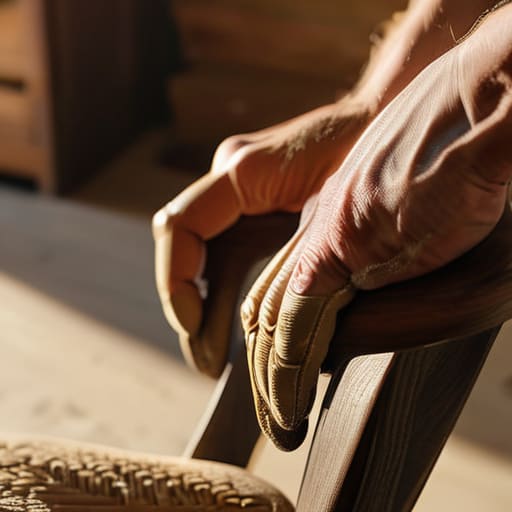
Recovering from burnout isn’t about a sudden, massive overhaul of your entire life; it’s much more like restoring a piece of weathered vintage furniture. You can’t just slap a fresh coat of paint over deep cracks and expect it to hold. We’ve talked about the importance of tuning into those subtle distress signals your body sends and learning how to manage the heavy weight of chronic stress before it completely breaks your spirit. By acknowledging these signs early and setting small, manageable boundaries, you’re essentially sanding down the rough edges of your daily routine to create a smoother, more sustainable foundation for your well-being.
Please remember, if you feel like you’re currently staring at a project that feels far too broken to fix, be gentle with yourself. Even the most beautiful spaces go through seasons of disrepair, and even the most skilled creators need to put their tools down and step away from the workbench sometimes. This season of exhaustion doesn’t define your capacity or your worth. Take a deep breath, grab a cup of tea, and know that you have everything you need to rebuild. You’ve got the strength to craft a life that feels truly beautiful and balanced again, and I’ll be right here cheering you on every step of the way!
Frequently Asked Questions
How do I know if I'm actually experiencing burnout or if I'm just having a really rough, temporary week?
Think of it like a tool that’s just a little rusty versus one that’s actually broken. A rough week is like a stubborn screw; it’s frustrating, but once you take a breather, you can get back to work. Burnout, though? That’s like a stripped gear. If you find that even after a long weekend or a good night’s sleep, that heavy, “empty” feeling won’t budge, you’re likely dealing with something much deeper than a temporary slump.
I want to start small, but how do I tackle recovery projects without feeling even more overwhelmed by my "to-do" list?
Think of your recovery like a massive home renovation—you wouldn’t try to gut the kitchen and redo the flooring in the same afternoon, right? You’d start with one small, manageable task. When it comes to your mental energy, pick one “micro-project” a day. Maybe it’s just five minutes of sitting quietly with your coffee, or a quick walk. Don’t look at the whole blueprint; just focus on the one small piece you’re working on right now.
Can you suggest some low-energy, creative ways to reconnect with my passions when I feel like I have zero mental bandwidth left?
When your mental battery is at zero, don’t try to tackle a massive renovation. Instead, try “micro-creating.” I love sitting on my porch just sketching a single piece of furniture or even just organizing my hammer collection by weight. It’s tactile, low-stakes, and requires zero heavy lifting. Sometimes, just running your hands over a piece of reclaimed wood or color-matching paint swatches is enough to spark that creative flame without the overwhelm.
