
I’ll be honest: I am so tired of seeing those “luxury wellness” influencers tell you that the only way to unwind is by spending a fortune on scented candles or booking a weekend at a high-end spa. If I see one more post suggesting that a $50 bath bomb is the secret to how to relax after work, I might actually lose it! When I was working long hours as an interior designer, my “self-care” wasn’t about expensive products; it was about the smell of fresh cedar shavings in my workshop and the quiet, rhythmic sound of a sanding block smoothing out an old tabletop. Real relaxation doesn’t need a credit card; it just needs a way to reconnect with yourself.
In this post, I’m stripping away all the fluff and the expensive gimmicks to give you some honest, hands-on ways to decompress. I want to share the practical, creative rituals that actually work for me when my brain feels like it has too many tabs open. We’re going to explore how you can use simple, tactile activities to ground yourself and reclaim your evening. Let’s stop scrolling and start building a routine that actually feels good.
Table of Contents
Mastering the Mental Transition From Work to Home
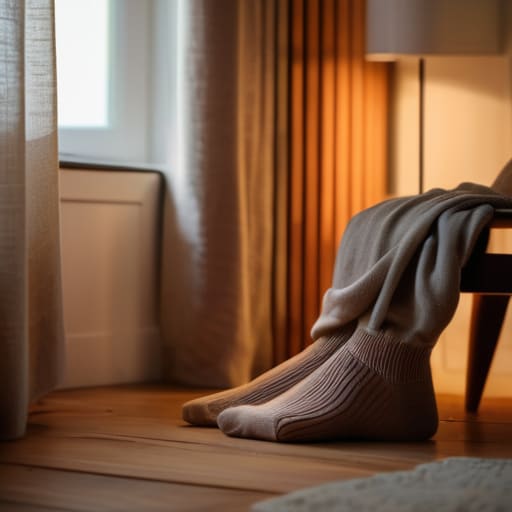
One thing I learned while transitioning from a high-pressure interior design firm to full-time blogging is that you can’t just flip a switch and suddenly be “off.” If I didn’t create a buffer, I’d find myself mentally sketching floor plans while trying to enjoy dinner! To truly master the mental transition from work to home, you need a ritual that signals to your brain that the “doing” mode is over and the “being” mode has begun. For me, that means physically changing out of my work clothes and putting my phone in a different room.
I’ve found that a little bit of a digital detox after office hours works wonders for clearing the mental fog. Instead of scrolling through emails or social media the second you walk through the door, try spending just fifteen minutes in silence or tending to your indoor plants. It sounds simple, but creating that intentional gap helps prevent work stress from bleeding into your personal sanctuary. It’s all about protecting your peace so that when you finally pick up a tool or a paintbrush, you’re actually present in the moment.
Simple Physical Relaxation Techniques After Long Shifts
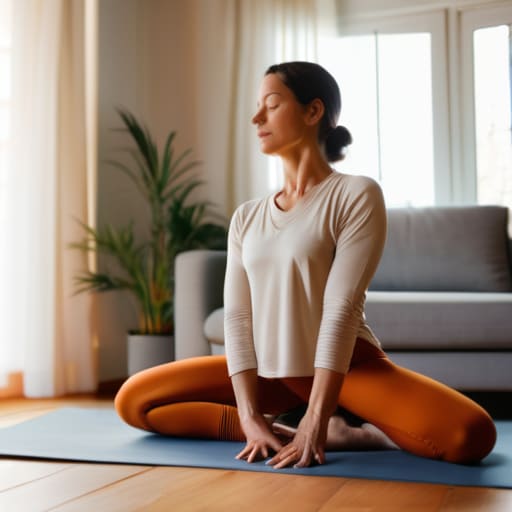
Sometimes, the best way to shake off a hectic day isn’t through meditation, but through movement. I’ve found that after sitting at a desk for eight hours, my body feels like it’s forgotten how to actually function! Instead of collapsing onto the couch, I love trying a few physical relaxation techniques after long shifts to get my blood flowing again. Even something as simple as five minutes of gentle stretching or a quick walk around the neighborhood can work wonders. It helps release that physical tension stored in your shoulders and neck, making it much easier to actually feel present once you finally settle in for the evening.
If you’re feeling particularly drained, I also swear by a “sensory reset.” This might mean a warm bath with some Epsom salts or even just the ritual of changing into your softest loungewear the second you walk through the door. It’s all about creating a physical boundary between your professional life and your personal sanctuary. Implementing these small, tactile habits is a total game-changer for improving work-life balance, ensuring that when you finally sit down to rest, your body is actually ready to let go.
Getting Hands-On: My Favorite Ways to Unwind and Reconnect
- Swap the screen for a small project. Honestly, there is nothing quite like the feeling of sanding down a piece of vintage wood or organizing my hammer collection to help me stop thinking about spreadsheets. It grounds me in a way that scrolling through my phone never will.
- Create a “sensory transition” in your space. Just like I’d use a specific scent when staging a room, try lighting a candle or putting on a specific playlist the second you walk through the door. It signals to your brain that the “work version” of you is officially off the clock.
- Try a “micro-tinker” session. You don’t need to commit to a full furniture restoration every night, but spending fifteen minutes fixing something small or sketching a new layout for a corner of your room can be incredibly therapeutic. It turns “stress time” into “creative time.”
- Connect with your environment through touch. I always tell my readers that being tactile is key. Whether it’s repotting a plant, feeling the texture of a new fabric swatch, or even just a warm soak, getting out of your head and into your senses is a total game-changer for anxiety.
- Declutter one small “zone.” A messy workspace can lead to a messy mind. Spend just ten minutes tidying up your craft table or your coffee station. Clearing a physical space gives you that sense of control and calm that we all crave after a chaotic day.
My Top Tips for Reclaiming Your Evenings
Create a “buffer zone” between your professional life and your home sanctuary by swapping your work gear for something more comfortable the second you walk through the door.
Don’t underestimate the power of tactile, hands-on activities; whether it’s sanding a small piece of wood or tending to your plants, getting your hands busy helps quiet a noisy mind.
Be patient with yourself during the transition—it’s okay if you don’t feel instantly relaxed, so just focus on one small, intentional way to nurture your space and your spirit.
Finding Your Rhythm Beyond the Clock
“For me, the best way to shake off a stressful workday isn’t just sitting still—it’s picking up a tool or a paintbrush. There is something so incredibly healing about moving from the mental chaos of a job to the tactile, rhythmic reality of creating something with your own two hands.”
Emily Carter
Finding Your Rhythm

At the end of the day, finding your way back to yourself is all about creating those intentional boundaries. Whether you’re focusing on a mental reset to leave the office stress behind or using simple physical stretches to shake off the tension of a long shift, the goal is to reclaim your energy. Remember, it isn’t about doing everything perfectly; it’s about finding those small, consistent rituals—like a quiet cup of tea or even just a few minutes of focused breathing—that signal to your brain that the workday is officially over. It’s about making space for yourself so you don’t just exist in your home, but actually live in it.
I know that sometimes, after a particularly draining day, the last thing you want to do is pick up a tool or start a new project. But I’ve learned through years of tinkering and designing that sometimes the best way to unwind is to create something with your hands. There is a special kind of magic in shifting from “consumer” to “maker,” even if it’s just something small. So, take a deep breath, leave the spreadsheets where they belong, and remember that you deserve this time. You have the power to build a life—and a home—that feels as good as it looks. Let’s keep building something beautiful together!
Frequently Asked Questions
I don't have a dedicated craft room or workspace, so how can I create a relaxing DIY nook in a small apartment?
Living in a small apartment doesn’t mean you can’t have a creative sanctuary! I used to struggle with this before I started my blog. My best tip? Think vertical. A rolling utility cart is a total lifesaver—you can tuck your tools and supplies away when you’re done. Even a cozy corner with a small folding desk and a dedicated basket for your current project can create that mental “DIY zone” without taking over your whole living room.
What are some low-stress, "quick win" projects for those nights when I'm feeling too exhausted for a big renovation?
On those nights when your energy is running on fumes, don’t even think about a sledgehammer! Instead, try some “micro-wins.” I love reaching for a small wooden tray and giving it a quick sand and a fresh coat of wax, or even just rearranging a few coffee table books to refresh the room’s energy. These tiny, tactile tasks give you that sweet sense of accomplishment without the heavy lifting. Let’s keep it simple!
How do I stop my mind from racing about tomorrow's to-do list once I actually sit down to start a creative project?
I totally get it—I’ve been there, staring at a gorgeous piece of vintage walnut while my brain is busy rehearsing tomorrow’s meetings. My secret? The “Brain Dump” notebook. Before I even touch a sander or a paintbrush, I spend five minutes scribbling every single “to-do” onto paper. Once it’s out of my head and onto the page, I give myself permission to leave it there. It clears the mental clutter so I can actually focus on the craft.
