
I used to think that if I wanted to eat well, I had to spend my entire paycheck on those tiny, overpriced organic jars and “superfood” powders that look more like science experiments than actual food. It honestly felt like a total scam designed to make us feel guilty for not having a designer grocery budget. But growing up in my family’s hardware store, I learned early on that you don’t need the most expensive, high-end tools to build something beautiful—you just need to know how to use what you’ve got. The same goes for your kitchen; healthy eating on a budget isn’t about chasing expensive trends, it’s about smart, intentional planning that works for your real life.
I’m not here to sell you on any magic supplements or complicated meal prep systems that take five hours on a Sunday. Instead, I want to share the practical, no-nonsense strategies I’ve used to stock my own pantry without draining my savings. We’re going to dive into the real-world basics—like mastering seasonal staples and making simple ingredients taste incredible—so you can feel confident and empowered in your kitchen. Let’s roll up our sleeves and get to work!
Table of Contents
Building a Low Cost Nutritious Grocery List
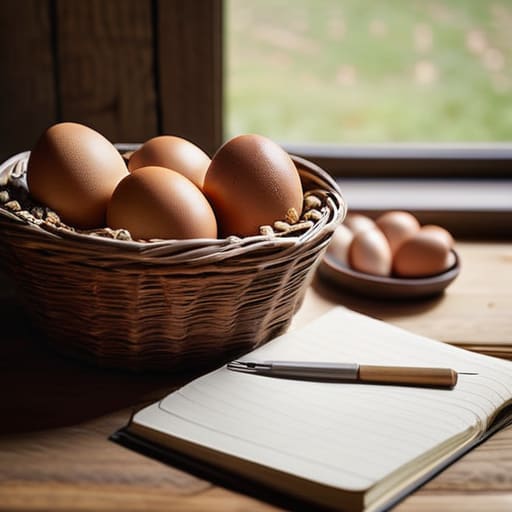
Now, let’s roll up our sleeves and get into the real work: crafting a low cost nutritious grocery list that actually works for your life. Just like when I’m planning a room makeover, I’ve learned that you can’t just wander into a store without a blueprint! I always start by auditing my pantry first. It sounds tedious, but it’s the best way to avoid buying things you already have. My golden rule? Focus on affordable whole foods like lentils, oats, and eggs. These are the “building blocks” of a great kitchen, much like a solid foundation is to a home renovation.
When you’re at the store, I highly recommend leaning into bulk buying healthy staples. Things like quinoa, brown rice, and dried beans are absolute game-changers for your wallet when you grab them in larger quantities. I also love to keep an eye on the produce aisle for the seasonal produce benefits; when veggies are in season, they aren’t just more delicious, they’re significantly cheaper! By sticking to a list built around these versatile ingredients, you’re setting yourself up for success before you even turn on the stove.
Mastering Bulk Buying Healthy Staples
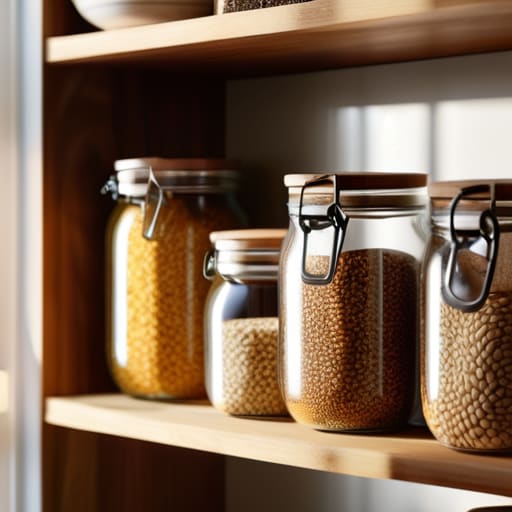
If there’s one thing I learned growing up in my family’s hardware store, it’s that buying in bulk is almost always the smartest way to stock up for the long haul. The same logic applies perfectly to your pantry! When you focus on bulk buying healthy staples like quinoa, lentils, oats, or brown rice, you’re not just saving a few cents per ounce; you’re building a solid foundation for every meal you cook. I love keeping large glass canisters on my shelves—it makes my kitchen look organized and reminds me that I’m fully prepared for whatever recipe inspiration hits me mid-week.
The real magic happens when you pair these dry goods with a strategy for meal prepping for savings. By having a mountain of affordable grains and legumes on hand, you can whip up a massive batch of veggie chili or a hearty grain bowl in no time. Just a little tip from my own kitchen: try to shop at local co-ops or the bulk bins at your grocery store to avoid the extra cost of fancy packaging. It’s a simple way to keep your kitchen running smoothly without constantly feeling the pinch at the checkout counter!
My Secret Toolkit for Keeping Your Kitchen Healthy and Your Wallet Happy
- Get cozy with seasonal produce. Just like picking the right wood for a furniture project, timing is everything! Buying veggies and fruits when they’re in season means they’re at their peak flavor and, most importantly, they won’t break your budget.
- Don’t sleep on the frozen aisle. I used to think frozen meant “lesser quality,” but I was so wrong! Frozen fruits and veggies are often picked and frozen at their nutritional peak, making them a super affordable way to keep your smoothies and stir-fries colorful all year long.
- Embrace the art of “repurposing” leftovers. Think of your leftovers like vintage finds—with a little creativity, they can become something entirely new. That roasted chicken from Sunday night can easily transform into a delicious, budget-friendly taco filling or a hearty grain bowl on Monday.
- Master the DIY pantry staple. Instead of grabbing those expensive, pre-packaged spice blends or seasoned salts, grab some basic herbs and spices. Mixing your own blends is much cheaper, and it gives you total control over the flavor profile of your meals.
- Plan your “blueprints” before you shop. There’s nothing worse than wandering the aisles and impulse-buying things you don’t need. I always sketch out a quick meal plan for the week first; it keeps me focused, prevents food waste, and ensures I’m only spending money on what will actually nourish me.
My Top Tips for Staying on Track
Think of your pantry like a well-organized workshop; when you stock up on versatile, healthy staples in bulk, you’re always prepared to whip up something delicious without a last-minute, expensive trip to the store.
Don’t be afraid to get a little creative with your ingredients—just like restoring an old piece of furniture, sometimes the most budget-friendly items can be transformed into something absolutely beautiful and nourishing with just a bit of patience and a good recipe!
Always stick to your blueprint by shopping with a list; it keeps you focused on your goals and prevents those impulse buys that can quickly derail your budget and your healthy eating intentions.
My Philosophy on Fueling Your Body
“Just like restoring a beautiful vintage chair, building a healthy lifestyle isn’t about buying the most expensive new materials; it’s about being resourceful, knowing which staples to invest in, and having the patience to craft something amazing from the basics.”
Emily Carter
Bringing It All Home
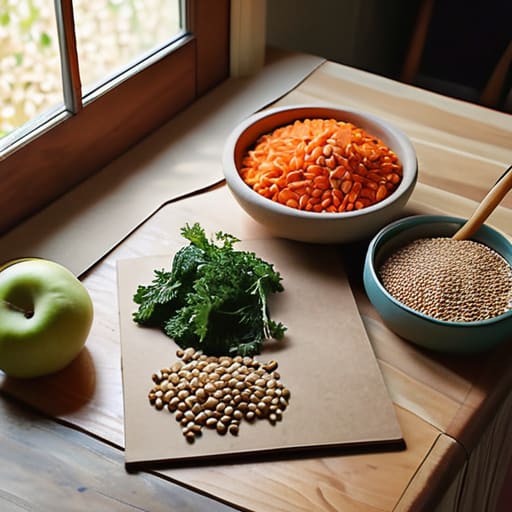
Looking back at everything we’ve covered, I hope you see that eating well isn’t some impossible, high-maintenance luxury reserved for people with endless bank accounts. By focusing on a smart, low-cost grocery list and leaning into the power of bulk buying those nutritious staples, you’ve already laid the foundation for a much healthier lifestyle. It’s really just like any other home project I love to tackle—it’s all about having the right tools in your kit and a solid blueprint to follow. Whether you’re stocking up on oats or hunting for the best deals on seasonal veggies, every small, intentional choice you make in the grocery aisle is a building block for your long-term wellness.
I know that starting a new routine can feel a little bit daunting at first, almost like staring at a room that needs a total overhaul. But remember, you don’t have to get everything perfect on day one. Just like restoring a beautiful vintage chair, progress happens one careful layer at a time. Be patient with yourself, celebrate the small wins, and don’t be afraid to experiment with new flavors! I truly believe that once you find your rhythm, you’ll realize that nourishing your body can be just as creative and rewarding as any DIY project. Now, let’s get out there and build a healthier you!
Frequently Asked Questions
I love the idea of buying in bulk, but how do I make sure I'm not actually wasting money on food that goes bad before I can use it all?
Oh, I hear you! That is such a valid concern. Honestly, even with my background in design, I know that “more” isn’t always “better” if it just ends up in the trash. My biggest tip? Think of your pantry like a well-organized workshop. Only buy bulk versions of things you use constantly—think grains, lentils, or oats. For everything else, stick to smaller quantities until you’ve mastered your rhythm. Let’s shop smart, not just big!
Are there any specific "hidden" costs I should watch out for when trying to shop healthy, like seasonal price jumps or specialty health food aisles?
Oh, I am so glad you asked! This is where those little “budget leaks” tend to happen. Watch out for those fancy specialty health aisles—they’re beautiful, but those “superfood” labels often come with a massive markup. Also, keep an eye on seasonal shifts; buying berries in January is a recipe for a lighter wallet. Think of it like furniture refinishing: if you chase the trendiest, most expensive materials, you’ll blow your budget before you even start!
Since I'm usually pretty busy with work and life, how can I prep these budget-friendly ingredients during the week without spending my entire Sunday in the kitchen?
I totally hear you—between work and everything else, nobody wants to spend their entire Sunday stuck in the kitchen! Think of meal prep like a home renovation: you don’t do it all at once; you tackle it in stages. Try “component prepping” instead of full meals. Roast a big tray of veggies or cook a batch of grains while you’re already making dinner. It’s all about those small, efficient wins that save you time later!
