
I remember standing in my parents’ hardware store back in Ohio, watching my dad meticulously organize every single nut and bolt to make sure nothing went to waste. He used to say that if you don’t respect the small things, you’ll never master the big ones. Fast forward to my early days as a designer, and I found myself staring at a grocery receipt that felt more like a luxury boutique invoice than a weekly food budget. It’s incredibly frustrating how much “expert” advice out there makes how to lower food costs feel like a grueling, joyless chore involving nothing but bland lentils and endless deprivation.
I’m not here to tell you to live on instant noodles or stop enjoying a beautiful, well-set table. Instead, I want to share the practical, hands-on strategies I’ve used to streamline my kitchen spending without sacrificing the quality of what I put on my plate. We’re going to look at this like any good DIY project: with a solid plan, the right tools, and a bit of clever resourcefulness. Let’s roll up our sleeves and figure out how to build a smarter kitchen budget together!
Table of Contents
Mastering Meal Planning for Savings and Joy
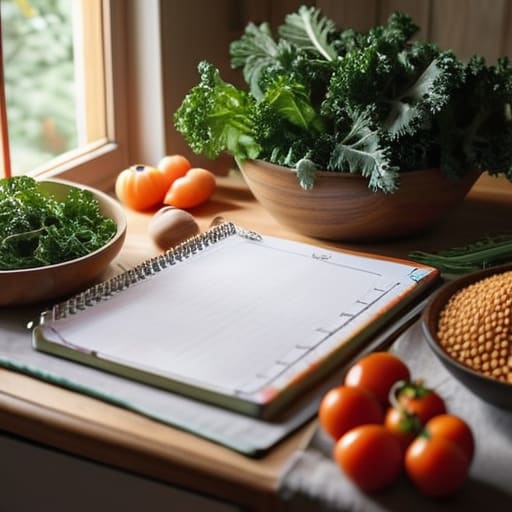
Now, let’s roll up our sleeves and dive into the heart of the matter: the kitchen! I’ve learned through years of trial and error—and a few too many takeout orders—that the real secret to keeping your budget intact is meal planning for savings. Think of it like a blueprint for a home renovation; you wouldn’t start tearing down a wall without a plan, right? Before you even step foot in the store, take a quick inventory of what you already have in your cupboards. By mapping out your week based on what’s already there, you’ll find you’re drastically reducing food waste, which is basically like finding free money hiding in your pantry!
Once you have your roadmap, the next step is getting strategic about your list. I always try to focus on affordable pantry staples like grains, beans, and pasta to act as the foundation for my meals. This way, you aren’t constantly chasing expensive, trendy ingredients that don’t play well with others. Instead, you can build beautiful, nourishing dishes around those reliable basics. It’s all about working smarter, not harder, so you can spend less time stressing over receipts and more time enjoying the cozy, creative kitchen you’ve built!
The Magic of Seasonal Produce Shopping
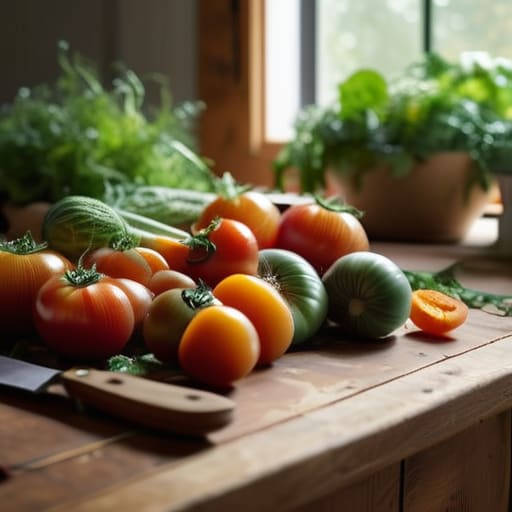
One of my absolute favorite ways to bring a little bit of nature’s design into the kitchen is through seasonal produce shopping. Growing up in my dad’s hardware store, I learned that using the right tool for the job makes all the difference, and the same goes for your ingredients! When you shop according to what’s currently in season, you aren’t just getting the freshest, most flavorful veggies and fruits; you’re also tapping into much lower price points. Out-of-season berries in the middle of winter can be incredibly pricey and, honestly, a little lackluster in taste.
By leaning into the natural rhythm of the seasons, you’re essentially practicing a form of smart grocery shopping on a budget without sacrificing quality. I love to see what’s peaking at the local farmer’s market or the front of the produce aisle at the supermarket. This approach also plays a huge role in reducing food waste, because when produce is at its peak, it stays fresh and delicious in your fridge much longer. It’s all about working with what Mother Nature is giving us!
Building Your Budget-Friendly Kitchen: 5 Pro Tips for Savvy Shopping
- Embrace the Power of Pantry Staples—Think of your pantry like a well-organized workshop; when you have the basics like dried beans, lentils, rice, and pasta on hand, you can whip up a nourishing meal anytime without a last-minute trip to the store.
- Master the Art of Batch Cooking—Just like I love restoring a piece of furniture one layer at a time, I find that cooking in big batches saves so much time and money; make a massive pot of chili or a huge tray of roasted veggies on Sunday to fuel your week and prevent those expensive “I’m too tired to cook” takeout orders.
- Get Creative with “Scrappy” Cooking—Don’t toss those veggie scraps or chicken bones! I always keep a bin in my freezer for onion ends, carrot peels, and herb stems so I can simmer up a rich, homemade stock that tastes a million times better than anything in a box.
- Shop Your Own Shelves Before You Hit the Aisles—Before you grab your keys, do a little “inventory check” of your cabinets; it’s easy to buy a second jar of cumin when you already have one hiding in the back, so let’s make sure we’re using what we have first!
- Don’t Fear the Freezer Aisle—Frozen fruits and vegetables are a DIYer’s best friend; they are often picked at peak ripeness, last much longer than fresh produce, and are a total lifesaver for adding nutrition to smoothies or stir-frys without the guilt of food waste.
Quick Wins for Your Kitchen Budget
Think of your pantry like a workshop; before you go out and buy new materials, see what “scraps” and staples you already have on hand to build your next meal.
Embrace the beauty of bulk buying for those non-perishables, but always double-check your unit price so you’re actually getting a deal and not just a bigger bag!
Don’t be afraid to get a little creative with “imperfect” produce or store brands—sometimes the most budget-friendly finds are the ones that just need a little bit of love and a good recipe to shine.
Building a Budget-Friendly Kitchen
“Think of your grocery budget just like a home renovation project: it’s not about deprivation, it’s about being intentional with your resources so you can build something nourishing and beautiful that actually lasts.”
Emily Carter
Bringing It All Home
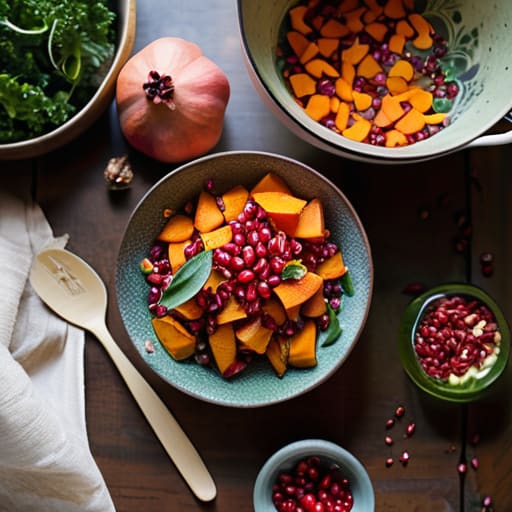
As we wrap up our little kitchen workshop, I hope you can see that lowering your food costs isn’t about deprivation; it’s about intentionality. We’ve talked about how mastering your meal plan can take the stress out of your week, and how leaning into seasonal produce can fill your plate with vibrant, affordable flavors. Whether you’re repurposing leftovers or hunting for the best deals on local veggies, every small adjustment you make is like sanding down a rough piece of wood—it takes a little patience, but the end result is smooth, beautiful, and incredibly rewarding.
At the end of the day, I want you to remember that your kitchen is the heart of your home, and managing your budget is just another way of caring for that space. Just like when I’m restoring a vintage dresser, the process might feel a bit overwhelming at first, but once you find your rhythm, you’ll be amazed at what you can achieve. Don’t feel like you have to overhaul everything overnight; just pick one new habit and start building. You have the tools, you have the vision, and I know you’re going to create something wonderful for yourself and your family!
Frequently Asked Questions
I'm struggling with food waste—how can I make sure I'm actually using everything I buy instead of letting it wilt in the crisper drawer?
Oh, I have been there! There is nothing more heartbreaking than finding a bag of slimy spinach in the crisper drawer. Think of your fridge like a workshop—you need an inventory! Try a “First In, First Out” system, just like my dad taught me at the hardware store. I also love “scrappy cooking”—turning wilting veggies into a delicious homemade stock or tossing leftover herbs into a quick pesto. Let’s stop wasting and start creating!
Does buying in bulk actually save money in the long run, or am I just spending more upfront on things I might not need?
That is such a great question! Honestly, it’s a bit of a balancing act. Think of it like buying high-quality lumber for a project—it’s a bigger investment upfront, but it pays off if you actually use it. Buying in bulk is a total win for pantry staples like grains or spices, but be careful with perishables. If it ends up in the trash, you haven’t saved a dime! Always shop your pantry first.
How can I keep my meals feeling creative and fun without constantly falling back on the same boring, cheap staples?
Think of your pantry like a collection of raw materials! Just like when I’m restoring an old dresser, it’s all about how you layer the details. Instead of seeing beans and rice as “boring staples,” view them as your canvas. Try swapping spices—use cumin and lime for a zestier vibe, or smoked paprika for something cozy. It’s the little “DIY” tweaks to your seasoning and textures that turn a basic meal into something truly special!
