
I was sitting on my workshop stool last Tuesday, surrounded by the sweet, dusty scent of sanded oak and my favorite vintage mallet, when I realized I’d spent the last forty minutes scrolling through interior design feeds instead of actually working. My hands were clean, my tools were ready, but my brain was completely fried by the blue light. It’s such a frustrating cycle, isn’t it? We all want to know how to lower screen time, but most of the advice out there feels like it was written by someone who has never actually lived in a real, messy, beautiful home. They tell you to “just disconnect,” as if life doesn’t happen in the digital age, but they never mention how to actually reclaim your focus when your phone is practically an extra limb.
I’m not here to give you some unrealistic, “digital detox” lecture that leaves you feeling isolated and bored. Instead, I want to share the practical, hands-on strategies that helped me swap mindless scrolling for meaningful making. We’re going to look at real ways to build intentional habits that allow you to put the phone down and pick up a project instead. Let’s stop letting our devices dictate our day and start building a life that feels truly tactile and rewarding.
Table of Contents
Building Better Digital Wellbeing Habits Together
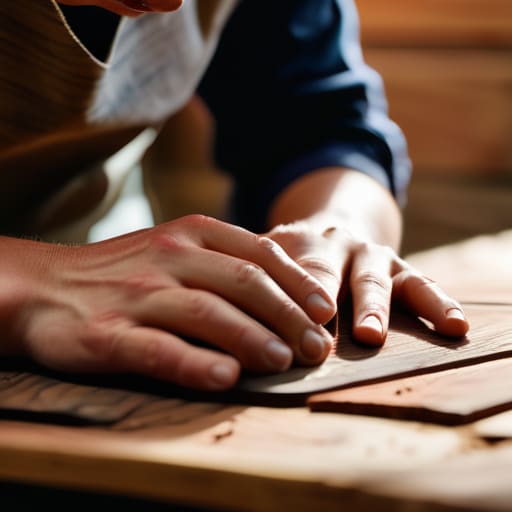
Now, I know what you’re thinking—it feels almost impossible to just “stop” scrolling when our phones are practically glued to our palms. But just like when I’m tackling a tricky furniture restoration, you can’t rush the process. You have to take it one layer at a time. Instead of trying to go cold turkey, let’s focus on cultivating mindful technology use by creating small, intentional boundaries. Maybe it’s a “no-phone zone” at the kitchen table or leaving your device in another room while you’re working on a craft project. It’s all about reclaiming those little pockets of time for yourself.
I’ve found that setting screen time limits through your phone’s built-in settings is a total game-changer. It’s not about being restrictive; it’s about being protective of your peace. When we stop letting notifications dictate our attention, we start seeing the real benefits of a digital detox, like feeling more present in our own homes. Let’s commit to swapping just thirty minutes of mindless scrolling for something tactile—whether that’s sketching a new room layout or finally picking up that sandpaper. We’ve got this!
The Joyful Benefits of a Digital Detox

I can’t tell you enough about how much my headspace shifted once I actually started seeing the benefits of a digital detox in my daily life. It’s funny—I spent years thinking that being “connected” meant being productive, but I was actually just spinning my wheels in a sea of notifications. When I finally stepped back, I noticed this incredible clarity returning. It’s like when you’re stripping down an old, dusty dresser and you finally see the gorgeous grain underneath; that’s what happens to your brain when you clear away the digital clutter.
Beyond just feeling less overwhelmed, I’ve noticed a massive boost in my ability to actually finish what I start. Instead of jumping from a DIY tutorial to a social media scroll, I’m finding so much more joy in improving focus and productivity through deep, hands-on work. There is a certain magic in being fully present with a project, feeling the texture of the wood or the weight of a tool, without that constant, nagging itch to check my phone. It’s about reclaiming your attention so you can spend it on things that actually make your heart sing.
5 Ways to Swap Scrolling for Soul-Filling Projects
- Create a “Phone Parking Lot” in your entryway. Just like I have a special spot for my vintage hammers, give your phone its own little basket or decorative tray near the front door. When you walk in, park that device there and leave it behind so you can actually focus on the space around you.
- Reclaim your hands with a tactile hobby. It’s so much harder to mindlessly scroll when your fingers are busy! Whether it’s sanding down a thrifted side table, sketching out a new room layout, or even just potting some new greenery, give your hands a job that doesn’t involve a touchscreen.
- Set “Analog Zones” in your home. I’ve found that keeping the dining table and the bedroom completely tech-free makes a world of difference. Let those spaces be for real conversation and restful sleep, rather than just another place to catch up on endless feeds.
- Use a real kitchen timer for deep work or DIY sessions. Instead of checking your phone to see how much time is left on a glue setting or a paint drying period, use a classic mechanical timer. It keeps you off the screen and gives you that satisfying, tactile “tick-tick-tick” of progress.
- Schedule a “Sunday Reset” without the digital noise. Pick one afternoon a week to go completely offline. Use that time to organize your craft supplies, meal prep, or just sit on your porch with a physical book. You’ll be amazed at how much more “present” you feel in your own home.
My Top Tips for Finding Your Balance
Swap the scroll for a project—whenever you feel that restless urge to reach for your phone, grab a piece of sandpaper, a paintbrush, or even just a sketchpad to get your hands busy again.
Create “no-phone zones” in your favorite spaces, like your reading nook or dining table, to reclaim those areas for real-life connection and quiet reflection.
Be kind to yourself during the process; it’s not about being perfect or disappearing from the digital world, but about making intentional space for the things that truly make you feel alive.
## Finding the Magic Beyond the Glow
“We spend so much time scrolling through other people’s curated lives that we forget our own hands were made for creating, touching, and building something real. Let’s trade a few hours of mindless scrolling for a little more sawdust, a little more paint, and a lot more life.”
Emily Carter
Reclaiming Your Space and Your Time

At the end of the day, reducing your screen time isn’t about punishing yourself or living like it’s 1995; it’s about making intentional room for the things that actually make your heart beat a little faster. We’ve talked about setting those digital boundaries, building healthier habits, and leaning into the incredible mental clarity that comes with a true detox. Remember, it’s not about being perfect or throwing your smartphone into the nearest lake—it’s about small, consistent shifts that allow you to stop scrolling through someone else’s life and start showing up for your own. Whether it’s setting a “no-phone zone” at the dinner table or swapping your evening scroll for a few chapters of a book, every little bit counts toward reclaiming your focus.
I want you to look at your hands for a second. They were made for more than just swiping and tapping on cold glass; they were made to hold a paintbrush, to sand down a piece of reclaimed wood, or to plant a garden in the spring. When we put the devices down, we finally give ourselves the permission to create something real. I know it feels a little daunting to step away from the digital noise, but I promise you, the world on this side of the screen is so much more vibrant and tactile. So, let’s put the phones on the charger, grab a project, and go build a life that feels even better than a curated feed. You’ve totally got this!
Frequently Asked Questions
I'm worried about missing important work emails or family updates—how do I find a balance without feeling totally disconnected?
I totally get that anxiety—it’s like leaving a tool chest unlocked and worrying something important might go missing! To find that sweet spot, try setting “digital office hours.” Designate specific times to check your emails and family chats, much like I’d schedule time for a big renovation project. Outside those windows, let your phone rest. It’s not about disconnecting entirely; it’s about building boundaries so you can be fully present when it matters most.
What are some low-tech, hands-on hobbies you’d recommend for someone who feels a bit lost without their phone?
Oh, I have been exactly where you are! When I first started stepping away from the screen, I felt so restless. I highly recommend picking up something tactile—like furniture restoration (it’s so satisfying to see that old wood transform!) or even basic pottery. If you want something simpler, try gardening or sketching. Anything that lets your hands actually do something instead of just scrolling helps your brain reset and find that wonderful, quiet joy again.
Does anyone have tips for staying motivated when that "digital itch" kicks in and I just want to scroll through social media?
Oh, I know that “itch” all too well! When I feel that phantom pull toward my phone, I immediately grab a physical tool or a piece of sandpaper. Honestly, having something tactile in your hands is a game-changer. Try keeping a small “fidget project” nearby—maybe some scrap wood to sand or a vintage drawer to polish. If you redirect that restless energy into something you can actually touch and build, the urge to scroll just fades away.
