
I remember standing in my workshop last Tuesday, staring at a half-finished mid-century dresser, feeling my chest tighten with that familiar, suffocating weight. My mind was racing through a thousand “to-do” lists, and honestly, all those trendy wellness influencers telling me to just “buy a scented candle” or “manifest positive vibes” felt like a total slap in the face. When you’re truly overwhelmed, you don’t need a luxury spa day; you need a way to ground yourself that actually works. I’ve realized that learning how to reduce stress isn’t about escaping your life through expensive retreats, but about finding tactile, real-world ways to quiet the noise right where you are.
I’m not here to sell you a lifestyle overhaul or a subscription to a meditation app you’ll forget to use. Instead, I want to share the practical, hands-on strategies I’ve gathered from years of tinkering in my garage and designing spaces that actually breathe. We’re going to talk about using movement, creating intentional environments, and the simple magic of working with your hands to find your center. Let’s skip the fluff and get into some real-world tools for reclaiming your peace.
Table of Contents
Nurturing Stillness Through Mindfulness Meditation for Anxiety
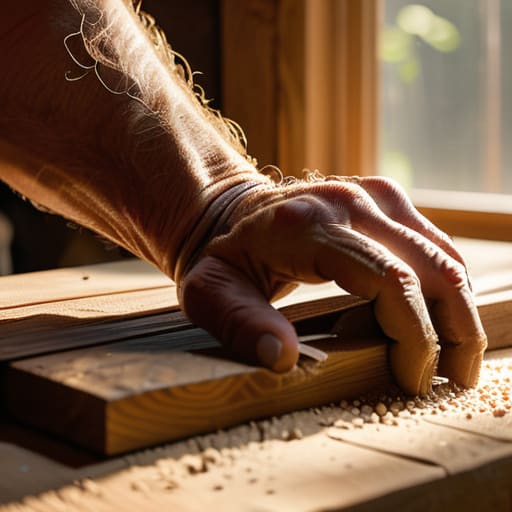
Now, I know what you’re thinking—meditation sounds a lot more “zen” than my usual Saturday mornings spent covered in sawdust and wood glue. But honestly, there’s a certain rhythm to it that reminds me of sanding down a piece of reclaimed oak; you have to be steady, patient, and completely present in the moment. Incorporating mindfulness meditation for anxiety into your daily routine isn’t about sitting perfectly still for hours; it’s about finding those small pockets of quiet amidst the chaos of life.
When my mind starts racing like a circular saw without a guard, I find that simply focusing on my breath helps ground me. Think of it as a way to reset your internal compass. Pairing this with deep breathing exercises can act as a natural way to signal to your body that it’s okay to let go of the tension you’ve been carrying in your shoulders. It’s one of those simple, low-cost tools that makes a massive difference in how you navigate a hectic week. Just like prepping a surface before you paint, you’re essentially clearing away the mental clutter to make room for something much more peaceful.
Mastering Deep Breathing Exercises to Reset Your Spirit
If you’ve ever felt like your brain has too many tabs open, I can tell you from experience that sometimes you just need to hit the reset button. While I usually find my peace in the rhythmic sanding of an old oak table, there are moments when I can’t even get to my workshop. That’s when I lean into deep breathing exercises to bring myself back to center. It’s not just about taking a big breath; it’s about intentionally slowing down your entire system. When I’m feeling overwhelmed, I use a technique called box breathing—inhaling, holding, exhaling, and holding again—to physically signal to my body that it is safe to relax.
Think of your breath like the foundation of a house; if it’s shaky, everything else feels unstable. Incorporating these quick breathing breaks into your day is one of the most effective cortisol reduction methods available to us, and the best part is that you can do it anywhere. Whether you’re stuck in traffic or sitting at your desk, a few intentional, deep cycles can act as a manual override for your nervous system, helping you find your footing again before the chaos takes over.
Getting Your Hands Dirty: 5 Ways to Build Your Way to Calm
- Lean into a tactile project; there’s something incredibly grounding about the weight of a hammer or the texture of sandpaper that pulls you right out of a spiral and back into the present moment.
- Declutter your creative space, because it’s so much harder to find mental peace when you’re surrounded by half-finished projects and piles of scrap wood.
- Set a “no-screen” workshop hour where you trade your phone for a sketchbook or a piece of vintage furniture that needs a little love and a fresh coat of paint.
- Embrace the beauty of imperfection; don’t let the fear of a crooked line or a messy finish stop you, because true relaxation comes from the process, not a Pinterest-perfect result.
- Create a sensory sanctuary by incorporating natural elements like reclaimed wood or soft textiles into your favorite corner, making it a physical space that breathes peace into your day.
Making Peace a Part of Your Daily Routine
Remember that stress relief isn’t a one-time project; just like sanding a piece of vintage wood, it takes patience and consistent effort to get that smooth, calm finish.
Don’t wait for a total meltdown to practice your breathing or meditation—think of these techniques as your “pre-project prep” that keeps everything running smoothly before things get messy.
Listen to your body and your space; sometimes the best way to reset is to step away from the noise and find a quiet corner where you can just be for a few minutes.
Finding Peace in the Process
“When the world starts feeling a little too loud and my mind won’t stop racing, I’ve found that there is something so deeply healing about the rhythm of manual work—whether it’s the steady sanding of a vintage tabletop or the focused precision of a new project, getting your hands busy is often the fastest way to quiet a restless heart.”
Emily Carter
Finding Your Rhythm
We’ve covered a lot of ground today, from the quiet power of mindfulness meditation to the immediate, grounding impact of deep breathing exercises. I know that when life feels like a chaotic construction site with no blueprint in sight, these tools can feel a little small. But just like when I’m restoring a piece of furniture that looks beyond saving, it’s the steady, intentional work in the small moments that leads to a beautiful transformation. Whether you are sitting in stillness or simply focusing on the rhythm of your breath, you are actively reclaiming your space and building a foundation of peace that can weather any storm.
As you head back into your day, please remember to be as patient with yourself as you would be with a delicate antique. You don’t have to master every relaxation technique overnight; sometimes, just showing up for yourself is the biggest win of all. If things start to feel overwhelming again, grab your tools—whether those are literal woodworking tools or just your breath—and find your way back to center. I truly believe that you have the strength to craft a calmer life, one small, intentional step at a time. Let’s keep building that beautiful, peaceful sanctuary together!
Frequently Asked Questions
If I'm feeling too restless to sit still for meditation, are there any hands-on DIY projects that can help me find that same sense of calm?
Oh, I hear you! Some days, my mind is just racing too fast for a meditation cushion. When I’m feeling that restless energy, I head straight for my workbench. There is something so grounding about the tactile sensation of sanding down a piece of reclaimed wood or the rhythmic motion of a paintbrush. Try a small, repetitive task—like refinishing a vintage stool or even just organizing your tool drawer. It’s moving meditation, plain and simple.
How do I balance the desire to tackle a big home renovation project with the need to actually de-stress and not just add more work to my plate?
Oh, I have been exactly where you are! Trust me, I’ve started a kitchen remodel only to realize I was just trading one kind of stress for another. My best advice? Break that “big dream” into tiny, bite-sized wins. Instead of tackling the whole room, just focus on refinishing one single chair or painting one accent wall. When you celebrate those small victories, the project feels like a creative escape rather than a daunting second job.
Can you recommend some low-stakes, beginner-friendly crafting ideas for those days when my brain is just too fried for anything complicated?
Oh, I have been there—those “brain fry” days are so real! When my mind is racing, I skip the big projects and grab something tactile. Try some simple watercolor washes or even just doodling repetitive patterns in a sketchbook. If you want something more hands-on, try some basic clay modeling or even just organizing your craft drawer by color. It’s all about those low-pressure, rhythmic movements that let your hands work while your mind rests.
