
Have you ever scrolled through social media and felt like you needed a $200 carbon-plated shoe, a high-tech smartwatch, and a professional coach just to step out the front door? Honestly, it drives me crazy. There’s this massive, expensive myth floating around that you need a mountain of gear before you even learn how to start running, and it’s enough to make anyone want to stay on the couch. I remember when I first tried to get moving; I felt so intimidated by the “pro” lifestyle that I almost quit before I even laced up my old sneakers. But here’s the truth: you don’t need a fancy kit to build a new habit, you just need a little bit of grit and the right starting point.
I’m not here to give you some polished, unrealistic fitness influencer routine. Instead, I’m going to share the same practical, step-by-step approach I use when I’m tackling a complex home renovation: we’re going to build your foundation first. I’ll guide you through the real, unglamorous parts of getting started—the heavy breathing, the sore muscles, and the small wins—so you can transform your fitness one steady stride at a time.
Table of Contents
- Choosing Your Tools Finding the Perfect Running Shoes for Beginners
- Crafting Your Path a Gentle Running Training Plan for Novices
- Building Your Momentum: 5 Pro-Tips for a Smooth Start
- My Top Tips for Your Running Journey
- Building Your Momentum
- Finishing Your First Layer: You’ve Got This!
- Frequently Asked Questions
Choosing Your Tools Finding the Perfect Running Shoes for Beginners
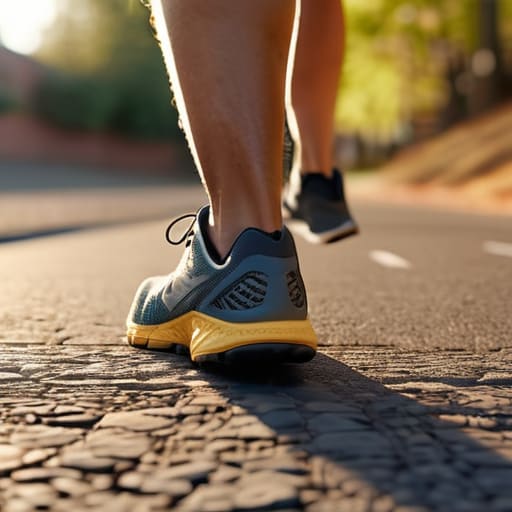
Now, if there’s one thing I learned growing up in my dad’s hardware store, it’s that you can’t build a sturdy house with the wrong tools. The same goes for your feet! Picking out your first pair of running shoes for beginners can feel a little overwhelming, especially with all those technical terms flying around. You don’t need the most expensive, high-tech model on the shelf, but you do need a pair that actually supports your unique stride. I always tell my friends: don’t just shop with your eyes; shop with your feet!
When you head to the store, try to go in the late afternoon when your feet are slightly swollen from the day—it’s a little trick I use for my DIY projects to ensure a perfect fit every time. Focus on finding a pair with enough cushioning to absorb impact, as this is your first line of defense in preventing running injuries. Think of your shoes as the foundation of your entire journey. If the foundation is shaky, the whole structure suffers. Let’s make sure yours are rock solid!
Crafting Your Path a Gentle Running Training Plan for Novices
Think of your training plan much like a home renovation project; you wouldn’t try to tear down a load-bearing wall on day one without a solid blueprint, right? Instead of sprinting out the door and pushing until you’re completely wiped, I recommend a running training plan for novices that focuses on the “run-walk” method. This approach allows you to slowly build up your mileage while giving your joints a much-needed break. It’s all about those small, incremental wins that eventually lead to a finished masterpiece.
As you begin this journey, please don’t skip your prep work! Just like sanding a piece of vintage furniture before you paint, you need to prepare your body to avoid unnecessary setbacks. Incorporating a few simple warm up exercises for runners—like leg swings or dynamic stretches—is essential for preventing running injuries and keeping your momentum steady. We want to focus on consistency and patience rather than speed. Remember, we aren’t just racing against a clock; we are building a sustainable, lifelong habit that feels as good as a perfectly styled room!
Building Your Momentum: 5 Pro-Tips for a Smooth Start
- Listen to your body like you’re reading a blueprint. Just like you wouldn’t force a piece of wood that’s too brittle, don’t push through sharp pains. It’s much better to take an extra rest day now than to deal with a major structural breakdown later!
- Think of your pace like mixing paint—you don’t want to rush the process. If you can’t hold a conversation while you’re moving, you’re likely going a bit too fast. Slow and steady wins the race every single time.
- Don’t forget the “prep work”—stretching is your best friend. I always tell my readers that a little bit of warm-up is like sanding a surface before you paint; it ensures everything goes much more smoothly and prevents a messy finish.
- Find your “design inspiration” by picking a route you actually love. Whether it’s a scenic park trail or a quiet neighborhood loop, running somewhere beautiful makes the whole experience feel less like a chore and more like a creative escape.
- Celebrate the small wins, even the tiny ones! Finishing just ten minutes of movement is just as important as a long run. Every little bit of progress is a successful layer of craftsmanship in the beautiful life you’re building.
My Top Tips for Your Running Journey
Treat your body like a precious vintage piece—don’t rush the restoration! Just like sanding down a beautiful old table, you have to take it slow and steady to avoid making mistakes that are hard to fix later.
Invest in your foundation before you build the rest. Much like choosing the right grade of sandpaper or the perfect hammer, getting those beginner-friendly shoes right will make the entire process so much more enjoyable.
Celebrate every little win along the way. Whether it’s an extra block around the neighborhood or just finding the courage to lace up, every bit of progress is a masterpiece in the making!
Building Your Momentum
“Starting a running journey is a lot like tackling a big home renovation: you don’t just jump straight to the finishing touches. You lay the foundation first, take it one small step at a time, and remember that even the most beautiful results started with a single, shaky stride.”
Emily Carter
Finishing Your First Layer: You’ve Got This!
Just like when I’m tackling a tricky furniture restoration or starting a brand-new room layout, the most important part of any project is having the right foundation. We’ve covered a lot of ground today, from selecting the perfect pair of shoes that won’t leave your feet aching to mapping out a training schedule that respects your body’s limits. Remember, you don’t need to sprint a marathon on day one; it’s all about building consistency and choosing the right tools for the job. If you focus on those small, steady wins and listen to what your body is telling you, you’ll find that your running routine becomes as natural as breathing before you know it.
At the end of the day, I want you to remember that progress isn’t always a straight line. There will be days when the “finish” feels miles away, and that’s okay! Just like when a sanding project takes a little longer than expected, sometimes you just have to step back, breathe, and try again tomorrow. You are essentially crafting a healthier version of yourself, one step at a time. I am so incredibly proud of you for even starting this journey. So, lace up those shoes, head out the door, and let’s build something amazing together—one mile at a time!
Frequently Asked Questions
I'm worried about getting injured—how can I tell if I'm pushing myself too hard or if I'm actually doing damage?
Listen, I get it—that fear of a “project mishap” is real! In my workshop, if a tool feels off, I stop immediately, and running is no different. There’s a big difference between “good sore” (that tired-muscle feeling) and “bad pain” (sharp, stabbing, or localized). If a pain makes you limp or lingers even when you aren’t moving, please, put the running shoes down. Listen to your body; it’s your most important tool!
What should I do on those days when my motivation just isn't there and I really don't feel like lacing up my shoes?
Listen, I’ve been there—staring at my workbench feeling totally uninspired, and I know that feeling applies to running, too! On those days, don’t force a heavy session. Instead, try a “micro-goal”: just tell yourself you’ll lace up and walk for ten minutes. Usually, once you’re moving, the momentum kicks in. And if it truly doesn’t? That’s okay! Treat it like a rest day for your tools; sometimes you just need to recharge to build something great tomorrow.
Do I really need fancy gadgets and apps to track my progress, or can I just wing it?
Honestly, you can totally skip the high-tech gear! It’s a lot like tackling a furniture restoration—you don’t need a professional workshop to get started, just a little bit of direction. While apps can be fun for tracking stats, they aren’t a requirement. For now, just listen to your body and maybe keep a simple journal. If you feel good, keep going; if you’re feeling sore, take a rest day. You’ve got this!
