
I remember sitting on my workshop floor last Tuesday, surrounded by half-sanded chair legs and a mountain of sawdust, feeling like my brain was a radio stuck on high-volume static. It wasn’t some grand, cinematic breakdown; it was just that heavy, suffocating tightness in my chest that makes even the simplest task feel like climbing Everest. I’ve realized that most of the “wellness” advice out there—the expensive retreats or the complicated, hour-long meditation rituals—completely misses the mark when you’re actually in the thick of it. If you’re looking for a magic wand for how to manage anxiety, I hate to break it to you, but it doesn’t exist. What does exist is a way to find your footing when the world feels a little too loud.
Instead of giving you some polished, unattainable lifestyle hack, I want to share what actually works when you’re feeling unraveled. We’re going to talk about grounding yourself through action and using small, tangible wins to quiet that mental noise. I’m going to walk you through some real-world, hands-on strategies that I use to steady my own hands and heart. Consider this our no-nonsense toolkit for finding a bit of calm, one steady step at a time.
Table of Contents
- Crafting Natural Ways to Reduce Stress Through Simple Rituals
- Mastering Mindfulness for Anxiety Relief in Your Own Space
- Five Hands-On Ways to Ground Yourself When Things Feel Heavy
- My Little Toolbox for a Calmer Mind
- Finding Your Center Through Making
- Taking It One Step at a Time
- Frequently Asked Questions
Crafting Natural Ways to Reduce Stress Through Simple Rituals

Sometimes, when the noise in my head gets a little too loud, I find that the best way to ground myself isn’t through a complex plan, but through something tactile. I’ve learned that incorporating small, sensory-based rituals into my daily routine can be one of the most effective natural ways to reduce stress. For me, that might mean the rhythmic sanding of a piece of reclaimed wood or the simple, focused act of watering my indoor herb garden. There’s something about the connection between your hands and a physical task that helps pull you out of a spiral and back into the present moment.
I also love the idea of creating a “sensory sanctuary” in a corner of your home. It doesn’t have to be a whole room—just a comfortable chair, a soft throw, and perhaps a candle with a scent that makes you feel safe. Setting aside even ten minutes for mindfulness for anxiety relief within this space can transform your evening. Whether you’re practicing a few quiet breathing exercises or just sitting in the stillness, these tiny, intentional rituals act like the steady foundation of a well-built house; they keep you upright when things feel a bit shaky.
Mastering Mindfulness for Anxiety Relief in Your Own Space
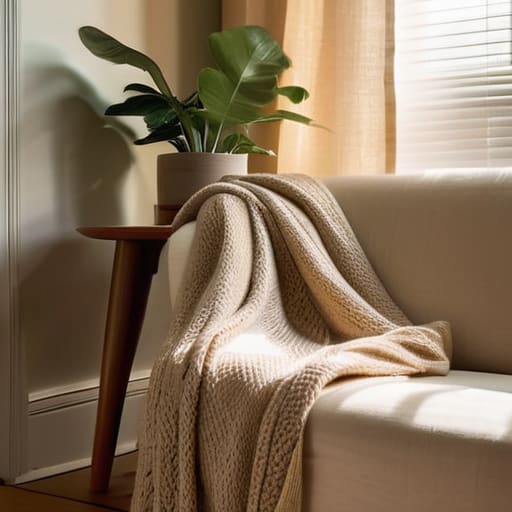
Now, let’s talk about your physical environment. Growing up in my dad’s hardware store, I learned that the right tools make all the difference, and in a way, your home can be the ultimate tool for mental clarity. When things feel chaotic, I love to lean into mindfulness for anxiety relief by intentionally curating a “calm corner.” This isn’t about a massive renovation; it’s about choosing one chair, a soft throw, or a specific lamp that signals to your brain that it is time to decompress. By focusing on the textures and scents in that small space, you’re practicing a form of grounding that helps pull you out of your head and back into the present moment.
Sometimes, the overwhelm hits fast, and you need something more immediate than rearranging a bookshelf. In those high-tension moments, I find that incorporating simple breathing exercises for panic attacks—like the classic box breathing method—can be a total game-changer. It’s just like sanding a piece of wood; you can’t rush the process, or you’ll ruin the finish. You have to be steady and patient with yourself. Integrating these small, mindful pauses into your daily routine helps you build a sense of control right where you are.
Five Hands-On Ways to Ground Yourself When Things Feel Heavy
- Lean into a tactile project. When my brain starts racing, I reach for a piece of sandpaper or a worn-in piece of wood. There is something so incredibly soothing about the repetitive, rhythmic motion of sanding or even just feeling the texture of different materials. It pulls your focus out of your head and puts it right back into your hands.
- Create a “Calm Corner” in your home. You don’t need a whole new room for this—just a dedicated nook with a comfortable chair, a soft throw, and maybe a small lamp with warm lighting. Having a physical space that is strictly for resting and decompressing helps signal to your nervous system that it’s finally okay to let go.
- Use the “One Small Task” rule. Anxiety loves to make everything feel like a massive, insurmountable renovation project. When you’re feeling overwhelmed, pick one tiny, manageable thing—like organizing a single junk drawer or watering your plants. Completing one small, tangible task can give you that much-needed sense of control.
- Get your hands dirty in the garden. If you have a little outdoor space, try working with some soil. There’s a real science to why gardening helps, but for me, it’s the connection to the earth and the slow, steady pace of nature that helps quiet the noise. It reminds us that growth takes time and patience.
- Declutter to clear your mind. I know, I know—it sounds like a chore! But a chaotic space often mirrors a chaotic mind. You don’t have to tackle the whole house; just clear off your workbench or your coffee table. Creating a little bit of visual breathing room can make a world of difference in how much headspace you have to breathe.
My Little Toolbox for a Calmer Mind
Think of managing anxiety just like a home renovation—it’s not about fixing everything overnight, but about taking one steady, intentional step at a time.
Use your physical environment to your advantage by creating small, intentional rituals that signal to your brain it’s time to slow down and breathe.
Don’t be afraid to get your hands dirty; sometimes the best way to quiet a racing mind is to channel that energy into a tactile, creative project.
Finding Your Center Through Making
“When the world feels like it’s spinning a little too fast, I’ve found that there is something so incredibly grounding about the weight of a tool in your hand and the steady rhythm of a project. Sometimes, the best way to quiet a noisy mind isn’t through sitting perfectly still, but by channeling that restless energy into something tangible—creating a little bit of calm, one small, intentional movement at a time.”
Emily Carter
Taking It One Step at a Time

As we wrap things up, I want you to take a second to look back at everything we’ve talked about today. From setting up those calming little rituals in your morning routine to really leaning into mindfulness within the sanctuary of your own home, you’ve already started building a toolkit for a much steadier mind. Managing anxiety isn’t about achieving some perfect, polished state of zen where nothing ever goes wrong; it’s about having the right tools in your belt to navigate the messy, unpredictable moments when they arise. Remember, just like when I’m tackling a tricky furniture restoration, the goal isn’t perfection on the first pass—it’s about showing up and doing the work one small, intentional layer at a time.
If you’re feeling a little overwhelmed right now, please know that it’s okay to start small. You don’t have to redesign your entire life overnight. Sometimes, the most productive thing you can do is simply breathe and focus on the project right in front of you. I truly believe that by being patient with yourself and trusting the process, you’ll find your rhythm again. You have so much strength and creativity inside you, even on the days when it feels a bit hidden. So, grab your metaphorical hammer, keep your head up, and let’s keep building a life that feels as good on the inside as it looks on the outside. You’ve totally got this!
Frequently Asked Questions
I love the idea of using DIY projects to decompress, but what if I feel more frustrated than relaxed when a project doesn't go perfectly?
Oh, I hear you loud and clear! Believe me, I’ve been there—standing over a wonky bookshelf with a handful of crooked screws, feeling my heart race. When that happens, the first thing I do is put the tools down. Walk away. Grab a cup of tea. Remember, the goal is the process, not perfection. If a project starts feeling like a battle, it’s okay to pivot to something smaller or just try again tomorrow.
Are there certain types of sensory-friendly crafts or projects that are better for when my anxiety feels particularly overwhelming?
When things feel extra loud or overwhelming, I always lean toward “low-stakes” sensory projects. Think tactile and repetitive: working with soft clay, knitting with chunky yarn, or even just sanding down a small piece of reclaimed wood. These tasks offer a grounding rhythm without the pressure of a perfect finish. It’s not about the end product; it’s about the soothing feeling of the materials in your hands. Let the texture calm you down.
How do I balance making my home a peaceful sanctuary without getting overwhelmed by the sheer number of "calming" decor projects I want to start?
Oh, I have been exactly where you are! I call it “project paralysis.” When you’re staring at a Pinterest board full of calming DIYs, it’s easy to feel like your home is a giant to-do list rather than a retreat. My advice? Pick just one corner. Focus on one small, tactile project—maybe refinishing a single nightstand or styling a cozy reading nook. Once that little sanctuary feels finished, you’ll have the momentum to tackle the next!
