
I remember sitting on my workshop floor last Tuesday, surrounded by half-sanded vintage chair legs and a mountain of sawdust, staring at the clock as it ticked past 2:00 AM. My eyes were burning, my brain felt like it was running on a faulty circuit, and all I could think about was how much I needed to fix my sleep schedule. We’ve all been told that mastering sleep hygiene tips requires a thousand-dollar smart mattress or a high-tech, light-blocking blackout system that costs more than my first car. Honestly? That’s just expensive fluff that ignores the real foundation of a good night’s rest.
I’m not here to sell you a lifestyle overhaul or a suite of overpriced gadgets. Instead, I want to help you treat your sleep routine like any other DIY project: by focusing on the solid fundamentals that actually move the needle. I’m going to share the practical, no-nonsense strategies I’ve used to reclaim my energy, from tweaking my bedroom’s “blueprints” to building habits that actually stick. Let’s stop overcomplicating things and start building you a restful sanctuary that works as hard as you do.
Table of Contents
Designing an Optimal Bedroom Environment
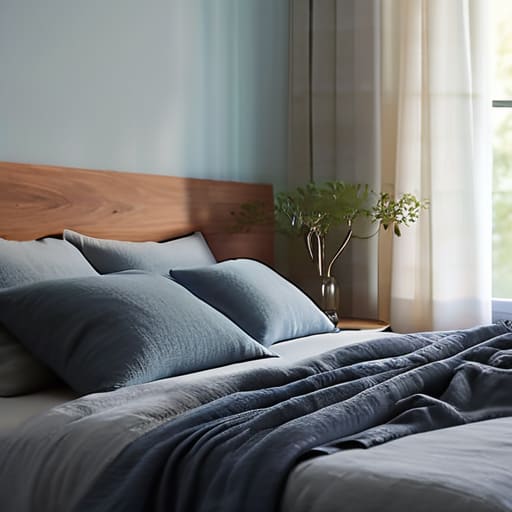
Think of your bedroom like a room you’re prepping for a major renovation—the foundation has to be just right before you can start the fun stuff. To create an optimal bedroom environment, we need to look at it through the lens of sensory design. I always tell my friends that your space should feel like a sanctuary, not a workspace. This means clearing out the visual clutter; those stacks of half-finished DIY projects in the corner might be inspiring, but they can actually keep your brain in “work mode.”
Lighting is where the real magic happens. Just like how I use warm, layered lighting to make a living room feel cozy, you can use dimmers or warm-toned lamps to help with circadian rhythm regulation. One of the biggest hurdles I’ve encountered in my own home was my phone habit. I’ve learned that blue light exposure reduction is non-negotiable if you want to drift off easily. Swapping that glowing screen for a soft, amber-hued reading lamp makes a world of difference in how quickly your body signals that it’s time to rest.
Mastering Blue Light Exposure Reduction

Now, let’s talk about one of the trickiest parts of modern living: our screens. Growing up in my family’s hardware store, I learned that if you use the wrong tool for a job, you’re going to end up with a mess. The same goes for our evening wind-down! Those glowing smartphones and tablets emit a specific type of light that acts like a tiny, digital sun, tricking your brain into thinking it’s high noon. This constant blue light exposure reduction isn’t just a trend; it’s essential for circadian rhythm regulation. When we stare at screens right before bed, we’re essentially telling our internal clocks to stay wide awake, making it nearly impossible to drift off naturally.
I like to think of my evening routine as “dimming the lights” on my day. About an hour before you plan to hit the hay, try swapping your phone for a physical book or even a sketching pad. If you absolutely must use your devices, please, I beg you, turn on those night-shift filters! It’s a small tweak, but it makes a massive difference in improving sleep quality over time. Think of it as prepping your canvas before you start painting—you want a calm, dark foundation so you can wake up feeling truly refreshed.
Laying the Foundation: 5 Daily Habits for a Restful Night
- Set a consistent “construction schedule” for your sleep. Just like how a well-planned renovation needs a steady rhythm, your body craves a predictable routine. Try to hit the hay and wake up at the same time every day—even on those lazy Saturdays—to help your internal clock find its groove.
- Curate your evening wind-down like you would a beautiful mood board. Instead of scrolling through your phone, swap that screen time for something tactile. Whether it’s reading a physical book, sketching out a new design idea, or even doing a little light stretching, give your brain a signal that the workday is officially over.
- Watch your “material intake” in the late afternoon. I’ve learned the hard way that a late-day caffeine kick is like trying to work with wet concrete—it just doesn’t set the way it should! Try to switch to herbal tea or decaf once the sun starts to dip so your nervous system can settle down.
- Treat your bed like a dedicated workspace—but only for rest. If you’re working on your laptop or tackling a DIY project right in bed, your brain starts to associate that cozy spot with “doing mode” rather than “dream mode.” Keep the productivity at the desk and save the duvet for pure relaxation.
- Master the art of the “pre-sleep declutter.” A messy room can lead to a messy mind! Spend just five minutes tidying up your nightstand or clearing away any stray clothes. Creating a little bit of visual calm in your immediate surroundings makes it so much easier to drift off into a peaceful slumber.
Building Your Blueprint for Better Rest
Treat your sleep routine like a renovation project—consistency is your foundation, so try to hit those same bedtime milestones every single night to keep your internal rhythm steady.
Don’t overlook the “finishing touches” of your environment; small adjustments like blackout curtains or a white noise machine can make a massive difference in how well you actually recharge.
Remember that rest is a skill you can practice, so be patient with yourself as you swap out old habits for these new, restorative ones!
Building Your Foundation for Rest
Think of your sleep routine just like a home renovation project—you can’t expect a beautiful finish if you haven’t spent the time prepping the surface and laying down a solid foundation first.
Emily Carter
Building Your Path to Better Rest

As we wrap up this project, I want you to take a second to look back at everything we’ve covered. From curating a bedroom environment that feels like a true sanctuary to being mindful of that pesky blue light from our phones, we’ve really laid the groundwork for a total lifestyle renovation. Remember, improving your sleep hygiene isn’t about achieving perfection overnight; it’s about making small, intentional adjustments to your daily routine. Whether you’re tweaking your lighting or setting a more consistent wind-down schedule, every little change is a step toward a more restful, restorative version of yourself. Think of it like restoring a piece of vintage furniture—it takes a little patience and the right tools, but the final result is so incredibly worth it.
I know that starting new habits can sometimes feel a bit overwhelming, especially when you’re trying to balance a million other things in your life. But I truly believe that you have the power to design a life that supports your well-being. Don’t be afraid to experiment and see what works best for your unique rhythm. If one method doesn’t stick, just pick up your metaphorical hammer and try a different approach! You are the architect of your own comfort, and I am so excited to see you thrive as you master these new skills. Let’s keep building toward a brighter, more energized tomorrow, one restful night at a time!
Frequently Asked Questions
I've tried changing my lighting, but what if my bedroom is naturally too bright in the mornings?
Oh, I hear you! There is nothing quite like that sudden blast of morning sun hitting you right in the eyes when you’re trying to catch those last few precious minutes of sleep. Since we can’t exactly move your house, we have to work with the architecture! I’m a huge fan of blackout curtains—they’re like a heavy-duty canvas for your windows. If you’re not ready for a full renovation, a high-quality, contoured silk sleep mask is a total game-changer!
Does it really matter if I use my phone for just a few minutes before bed, or is the blue light rule absolute?
I totally get the temptation—sometimes you just need that last five minutes of scrolling to unwind! But think of it like prepping a surface before painting: even a tiny bit of dust can mess up the finish. That blue light acts like a little “wake up” signal to your brain, disrupting your natural rhythm. If you can, try to swap the phone for a physical book. Your future, well-rested self will thank you!
Since I love a cozy, layered look in my bedding, can I still create a relaxing space without making the room feel too heavy or cluttered?
Oh, I totally hear you! As someone who lives for a cozy, layered bed, I used to worry about that “heavy” feeling too. The trick is all in the textures and tones. Instead of adding more bulk, try mixing materials like a chunky knit throw over crisp linen sheets. Stick to a cohesive, soothing color palette to keep things feeling intentional rather than cluttered. Think of it as layering your comfort, not your chaos!
