
I remember standing in the middle of my workshop last year, surrounded by the scent of sawdust and old varnish, feeling a level of physical tension that even my favorite vintage mallet couldn’t fix. I had spent hours hunched over a mid-century dresser, and my back was screaming at me. I figured I’d try some yoga for beginners to loosen up, but when I looked online, all I found were influencers in $120 leggings performing gravity-defying contortions in pristine studios. It felt completely disconnected from my reality of sore muscles and a cluttered garage. Honestly, if a pose requires you to be a literal pretzel just to “start,” then it isn’t for the rest of us, is it?
I’m not here to sell you a lifestyle or tell you that you need a mountain of expensive cork mats to find your center. Instead, I want to give you the unfiltered, hands-on truth about starting this journey without the fluff. We’re going to approach your practice much like a DIY home renovation: by focusing on a solid foundation, building your strength one steady step at a time, and learning to work with the tools you already have. Let’s roll up our sleeves and build a practice that actually works for your life.
Table of Contents
- Gathering Your Essentials Choosing Your Essential Yoga Equipment
- Mastering the Breath Simple Yoga Breathing Techniques to Start
- My Top 5 Pro-Tips for Finding Your Flow Without the Stress
- Quick Wins for Your Yoga Journey
- Finding Your Flow
- Taking Your First Step onto the Mat
- Frequently Asked Questions
Gathering Your Essentials Choosing Your Essential Yoga Equipment
Now, before we dive into the actual movement, let’s talk shop about what you’ll need to get started. Just like when I’m prepping a room for a renovation, having the right tools makes all the difference between a stressful afternoon and a total success. When it comes to essential yoga equipment, you definitely don’t need to go overboard or spend a fortune. The absolute MVP here is a high-quality yoga mat. You want something with enough “grip” so you aren’t sliding around like you’re on a polished hardwood floor during a downward dog!
If you’re feeling a little extra stiff—and trust me, we’ve all been there—I highly recommend grabbing a couple of foam blocks. Think of them as extension cords for your arms; they help you reach the floor safely while you’re working through various yoga poses for flexibility. You might also want a soft strap to help with those tricky stretches. It’s all about creating a little extra support so you can focus on your breath rather than your wobbles. Let’s get your toolkit ready so we can start building that stronger, more flexible version of you!
Mastering the Breath Simple Yoga Breathing Techniques to Start
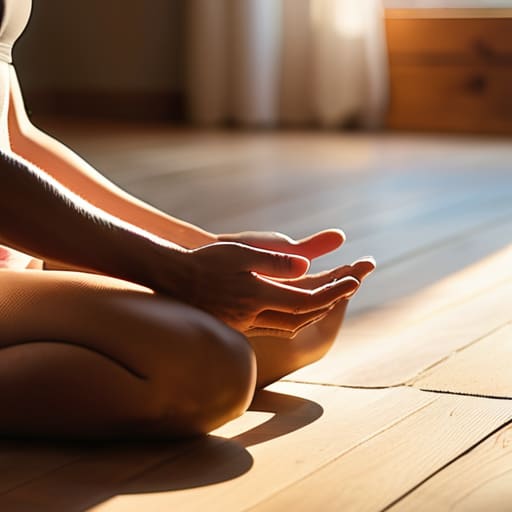
Now, I know what you’re thinking—breathing sounds a little too simple to be a “technique,” right? But coming from a background of tinkering with power tools and furniture, I’ve learned that the most important part of any project is the foundation. In yoga, your breath is that foundation. If you try to jump straight into intense yoga poses for flexibility without finding your rhythm, you’ll likely feel rushed or even a bit frantic. Instead, I want you to think of your breath as the steady, guiding hand that keeps your project on track.
To get started, let’s try a simple practice called Ujjayi breathing. Sit comfortably, close your eyes, and imagine you are breathing through a tiny straw in the back of your throat. You should hear a soft, ocean-like sound. This isn’t just about oxygen; it’s about using yoga breathing techniques to anchor your mind. When you integrate this into your daily yoga routine for beginners, you’ll notice a massive shift in how you feel. It turns a simple workout into a moment of true connection, helping you stay calm even when a pose feels a little wobbly!
My Top 5 Pro-Tips for Finding Your Flow Without the Stress
- Listen to your body, not your ego. Just like when I’m restoring an old mid-century dresser, you can’t rush the process or force a piece to fit where it doesn’t belong. If a pose feels sharp or painful, back off immediately. Yoga isn’t about hitting a perfect pose for a photo; it’s about how your body feels in the moment.
- Consistency beats intensity every single time. You don’t need to pull a marathon session every day to see progress. Think of it like sanding a tabletop—doing a little bit every afternoon will get you a much smoother finish than trying to do it all in one frantic weekend. Even ten minutes on your mat counts!
- Don’t be afraid to use “props” to support your structure. In my design work, I use jigs and templates to get things just right, and yoga is no different! If you can’t reach the floor, grab a couple of thick books or a sturdy cushion. Using blocks or straps isn’t “cheating”—it’s actually the smartest way to ensure your alignment is spot on.
- Embrace the messy middle. There will be days when you feel as flexible as a willow tree and days when you feel more like a piece of reclaimed oak. That’s totally normal! Don’t get discouraged by the wobbles; they’re just part of the learning curve, much like my first few attempts at staining furniture.
- Create a dedicated “sacred space” in your home. You don’t need a whole room, but having a specific corner with your mat rolled out and maybe a candle or a plant can signal to your brain that it’s time to shift gears. When I set up my workshop, it changes my mindset—your yoga nook should do the same for your peace of mind.
Quick Wins for Your Yoga Journey
Don’t get caught up in the gear—as long as you have a grippy mat and a little bit of floor space, you’ve got everything you need to start building your practice!
Focus on your breath just as much as your body; think of it like prepping your workspace before a big DIY project—it sets the foundation for everything else you’ll do.
Be patient with yourself and embrace the “messy middle,” because just like restoring a vintage find, real progress comes from showing up and putting in the work, one step at a time.
Finding Your Flow
“Think of yoga just like a DIY project: you don’t need to have the finished masterpiece figured out on day one. It’s all about showing up, getting your hands—or in this case, your feet—a little dusty, and learning to trust the process of building a stronger, more centered version of yourself, one breath at a time.”
Emily Carter
Taking Your First Step onto the Mat
We’ve covered a lot of ground today, from picking out the perfect mat that won’t slide out from under you to finding your rhythm through simple breathing techniques. Just like when I’m tackling a tricky furniture restoration, the secret isn’t in having the most expensive tools; it’s about having the right foundation and the patience to see it through. Remember, you don’t need to be flexible or bend into a pretzel on day one. All you really need is your gear, a little bit of space, and a willingness to focus on your breath as you move.
If there is one thing my years of DIY projects have taught me, it’s that the most beautiful transformations happen one small, intentional step at a time. Yoga is no different. There will be days when you feel totally centered and days when you feel a bit wobbly, but that is all part of the process of building a stronger version of yourself. Don’t be afraid to make mistakes or lose your balance; just roll out that mat and try again tomorrow. I am so incredibly proud of you for starting this journey, and I can’t wait to see how you grow. Let’s keep building something amazing together!
Frequently Asked Questions
I don't have much space in my apartment—can I really practice yoga in a tiny area, or do I need a dedicated studio room?
Oh, I hear you! Living in a cozy apartment can definitely feel a bit cramped, but honestly, you don’t need a dedicated studio to find your flow. I’ve learned that sometimes the best “studio” is just a small patch of floor between your coffee table and the sofa. As long as you can roll out a mat and extend your arms without hitting a wall, you’re good to go. Let’s make that small space work for you!
How much time do I actually need to set aside each day to see progress without feeling overwhelmed?
Honestly, don’t feel like you need to clear your entire afternoon to make this happen! I always tell my readers: consistency beats intensity every single time. Even just 15 to 20 minutes of intentional movement a day can work wonders for your progress. Think of it like sanding a piece of furniture—you don’t do it all in one frantic burst; you do a little bit regularly until everything feels smooth and just right.
Is it normal to feel a bit sore or even a little clumsy when I first start, or am I doing something wrong?
Oh, honey, take a deep breath—you are doing absolutely fine! Honestly, I feel the exact same way when I’m tackling a new DIY project or a tricky pose. Feeling a little wobbly or experiencing some muscle soreness is completely normal; it’s just your body learning a new rhythm. Think of it like sanding down an old piece of furniture; there’s always a bit of friction before things get smooth. Just listen to your body and keep going!
