
I remember sitting on my workshop floor at 2:00 AM, surrounded by half-sanded mid-century chairs and the overwhelming smell of sawdust, staring blankly at a wall because my brain simply would not shut off. I was exhausted, but my mind was racing through every design mistake I’d made that day. It’s incredibly frustrating when you realize that all the expensive, high-tech “sleep gadgets” and fancy weighted blankets promised to fix everything, yet you’re still tossing and turning. Honestly, figuring out how to sleep better shouldn’t feel like a high-stakes renovation project that requires a massive budget and a professional contractor.
I’m not here to sell you on some miracle supplement or a $3,000 smart mattress that tracks your every breath. Instead, I want to help you treat your bedroom like the sanctuary it was meant to be by focusing on the foundational elements that actually move the needle. We’re going to dive into some practical, hands-on ways to curate your environment and your routine so you can finally drift off with ease. Let’s roll up our sleeves and build a better rest ritual together!
Table of Contents
Optimizing Your Bedroom Environment for Restful Peace

Think of your bedroom like a room you’re renovating; you wouldn’t leave a construction site messy and bright if you were trying to relax, right? When it comes to optimizing your bedroom environment, I always tell my readers to start with the “foundation”—the light and the temperature. I’m a huge advocate for blackout curtains because they help signal to your brain that the day is officially done. By keeping things cool and dark, you’re essentially setting the stage for better circadian rhythm regulation, helping your body understand exactly when it’s time to power down.
I also can’t stress enough how much the “clutter” in your space affects your mental headspace. Just like a messy workshop makes it hard to find your favorite hammer, a cluttered nightstand can make your mind race. I love creating a little “sanctuary nook” by keeping only the essentials nearby—maybe a soft lamp and a book. If we treat our sleeping space with the same intention we use when restoring a beautiful vintage piece, we’ll find that our bodies naturally want to settle into a deeper, more restorative rest.
Natural Sleep Aids to Soothe Your Tired Soul

Now that we’ve tackled the physical layout of your room, let’s talk about the little things that can help soothe your soul before you even hit the pillows. Just like choosing the right sandpaper for a delicate wood finish, the tools we use to wind down can make or break the final result. I’ve found that incorporating certain natural sleep aids, like a cup of warm chamomile tea or a dab of lavender oil on my wrists, acts as a gentle signal to my brain that the workday is officially over. It’s all about creating those soft transitions that tell your body it’s safe to let go.
I also can’t stress enough how much circadian rhythm regulation plays a role in how refreshed you feel when you wake up. Think of your internal clock as the blueprint for your entire day; if it’s out of alignment, nothing else will feel quite right. I’ve started dimming the lights an hour before bed and swapping my phone for a physical book, which has been a total game-changer for reducing sleep latency. Instead of tossing and turning with a glowing screen in my face, I’m drifting off into a much more peaceful, natural slumber.
Designing Your Daily Rhythm for Better Rest
- Think of your circadian rhythm like the blueprint of a well-designed room; you need consistency to make it work. Try to hit the sack and wake up at the same time every single day—even on weekends! It might feel a little rigid at first, but your body will eventually start to crave that routine, making it so much easier to drift off.
- We all know how easy it is to get lost in a scroll through social media, but that blue light is basically the enemy of a cozy vibe. I like to treat the hour before bed as a “digital detox” zone. Swap the phone for a physical book or maybe some sketching; it tells your brain that the workday is officially over and it’s time to wind down.
- Don’t underestimate the power of a little movement! Just like how a good prep job makes a paint finish look seamless, getting your body moving during the day sets the stage for a great night. A gentle walk or some light stretching can work wonders, but just be careful not to go too heavy on the intense workouts right before bed—you don’t want your heart racing when you’re trying to settle in.
- Watch what you’re fueling your body with as the sun goes down. I’ve learned the hard way that a late-night caffeine fix or a heavy, spicy meal can totally throw off my internal balance. Instead, try reaching for something light and soothing, like a warm chamomile tea, to signal to your system that it’s time to slow down.
- Mental clutter can be just as disruptive as a messy workshop. If your mind starts racing with “to-do” lists the moment your head hits the pillow, try keeping a little journal on your nightstand. Jotting down those lingering thoughts or tomorrow’s plans helps “park” them outside of your brain so you can actually focus on resting.
Making Your Rest Work for You
Treat your sleep routine like a home renovation project; it’s all about laying a solid foundation of consistency and intentionality to see the best results.
Don’t overlook the “materials” you use—investing in high-quality, comfortable bedding and calming natural aids can make a world of difference in how you recharge.
Remember that small, mindful tweaks to your environment are much more effective than trying to overhaul everything overnight, so take it one step at a time!
Designing Your Rest
Think of your sleep routine just like a home renovation; you can’t expect a beautiful, finished result if you haven’t first taken the time to prep your space and lay down a solid, intentional foundation.
Emily Carter
Building Your Path to Better Rest
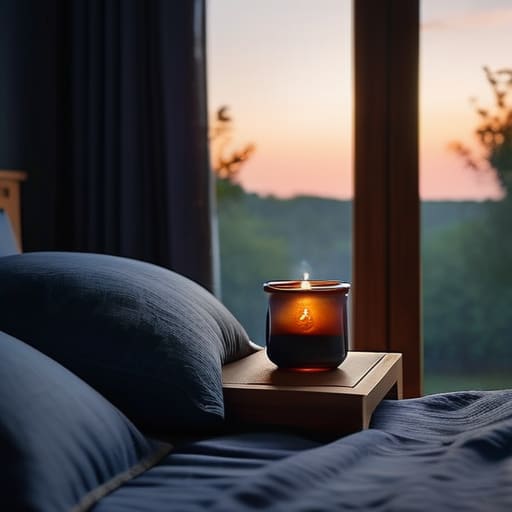
As we wrap up our little deep dive into better sleep, I hope you feel a bit more equipped to tackle your nighttime routine. Remember, improving your rest isn’t about a single “magic fix”; it’s about the small, intentional layers you add to your environment and your habits. From optimizing your bedroom layout to experimenting with those soothing natural aids we talked about, each step is like sanding down a rough surface to reveal something beautiful underneath. It might take a little trial and error to find exactly what works for your unique rhythm, but don’t get discouraged if you don’t see results overnight. Just keep tinkering with your routine until it feels just right.
At the end of the day, your bedroom should be your ultimate sanctuary—a place where you can truly unplug and recharge your soul. Think of this journey as a long-term renovation project for your well-being; it’s all about building a foundation that supports your health and happiness. I truly believe that by taking control of your sleep, you are reclaiming your energy to go out and create more magic in the world. So, roll up your sleeves, make those small changes, and trust the process. You’ve totally got this, and I can’t wait to hear how your new restful rituals are working for you!
Frequently Asked Questions
I've tried changing my bedding, but how much do things like room temperature or light exposure actually impact my sleep quality?
Oh, it’s huge! Think of your bedroom like a renovation project—if the foundation is off, the whole house feels shaky. Even the prettiest linens won’t save you if your room feels like a sauna or a bright, busy street corner. I always tell my readers: treat light and temperature like your project’s “environment.” Keeping things cool and dark is like prepping a surface before painting; it sets the stage for a flawless finish!
Are there any specific DIY projects I could tackle to make my bedroom feel more calming and cozy?
Oh, I love this question! Since we’re all about creating beauty with our own hands, why not build your sanctuary? I’m obsessed with making custom linen pillow covers—they add such a soft, tactile layer of coziness. You could also try crafting a simple wooden bedside tray to hold your evening tea, or even DIY some ambient lighting using frosted glass jars. It’s all about those small, intentional touches that make your space feel truly yours!
I'm a bit of a night owl—is it really possible to reset my internal clock without feeling totally exhausted?
Oh, I hear you! As someone who used to pull all-nighters in the studio, I know that “zombie” feeling all too well. Think of resetting your clock like a slow, careful furniture restoration—you can’t just sand it all down in one go without ruining the finish. Instead of a total overhaul, try shifting your bedtime by just 15 minutes every few nights. It’s all about those small, steady increments to build a sustainable routine!
